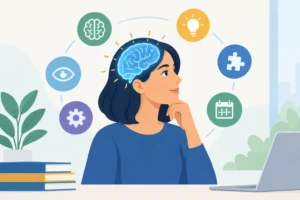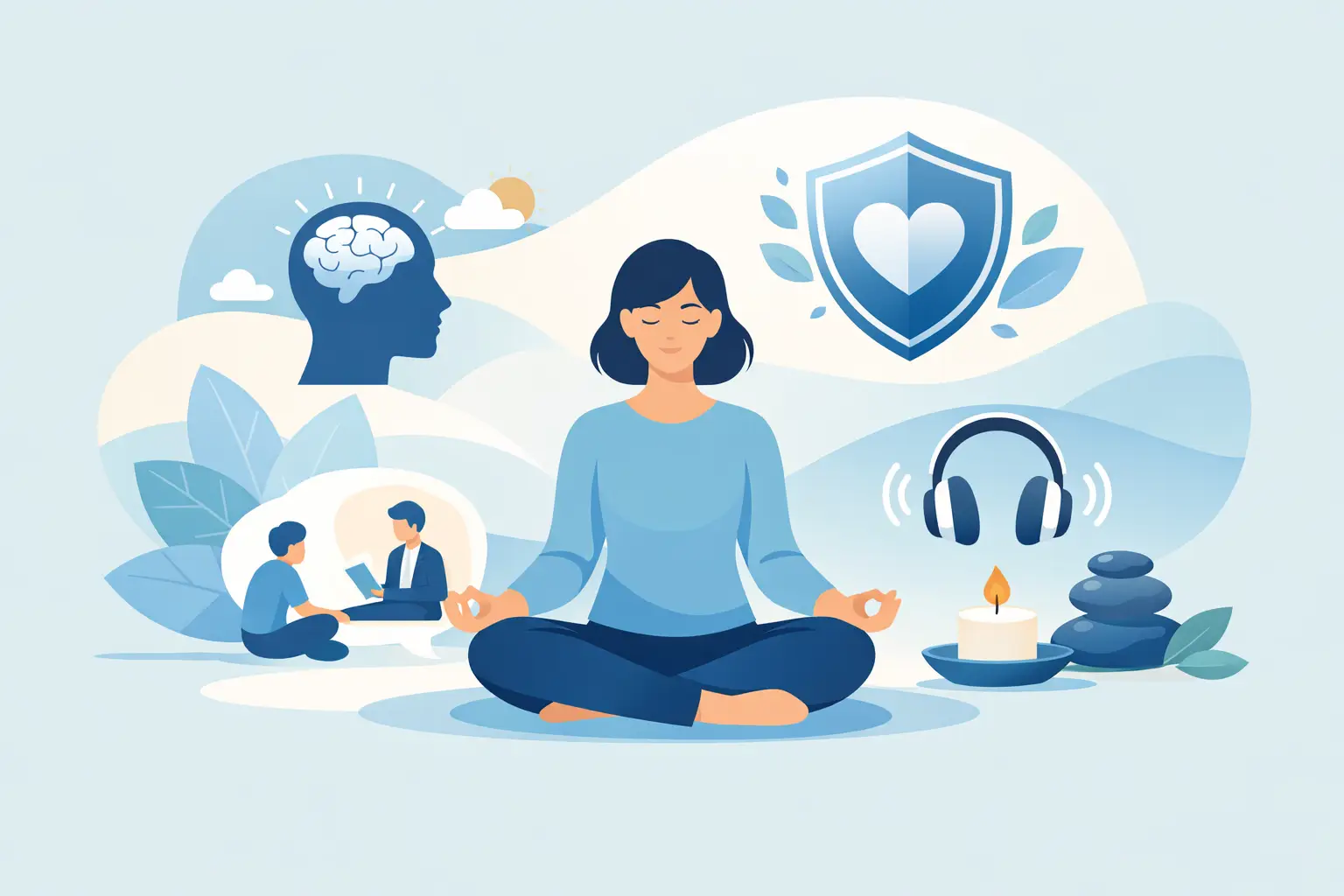
Anxiety rarely stays neatly inside one part of life. It can show up as a racing heart before a meeting, a child’s stomachache before school, a restless mind at 2 a.m., or the sense that even simple decisions require too much effort. The best non medication anxiety support is not one universal technique. It is a thoughtful plan that helps a person feel safer in their body, understand their triggers, and build skills that hold up outside the therapy room.
For some people, daily routines and counseling create meaningful relief. For others, anxiety is persistent enough to benefit from brain-based training and closer professional guidance. The goal is not to suppress every uncomfortable feeling. It is to help the nervous system become more flexible, regulated, and capable of responding rather than reacting.
What makes anxiety support truly effective?
The most helpful drug-free care is personalized. Anxiety can be connected to chronic stress, trauma, sleep disruption, perfectionism, health concerns, sensory overload, hormonal changes, burnout, or a brain that has learned to stay on high alert. Two people may use the same word, “anxiety,” while needing very different forms of support.
Effective care also looks beyond short-term distraction. A breathing exercise may reduce the intensity of a stressful moment, which matters. But if worry, avoidance, poor sleep, and physical tension return every day, it is worth asking what is keeping the nervous system stuck in that cycle.
A good plan should be practical, measurable, and compassionate. It should include ways to track changes in sleep, worry, concentration, panic symptoms, mood, and daily functioning. It should also be adjusted when something is not working. There is no prize for forcing yourself through an approach that does not fit your needs.
The best non-medication anxiety support starts with regulation
An anxious brain often treats ordinary demands as possible threats. Regulation practices send repeated signals of safety to the body, helping reduce the urgency behind that alarm response. They work best when practiced consistently, not only during a crisis.
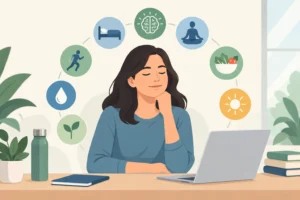
Sleep, movement, and steady rhythms
Sleep is not a luxury for someone managing anxiety. A short or irregular night can make the brain more reactive the next day, while excessive worry can make sleep harder in return. Creating a consistent wake time, reducing stimulating screen use before bed, and getting morning daylight can support a steadier body clock.
Movement can help as well, especially when it is realistic enough to repeat. A brisk walk, swimming, strength training, yoga, or a few minutes of stretching can release physical tension and give anxious energy somewhere to go. The best choice is usually the one a person can continue without turning it into another source of pressure.
Regular meals, adequate hydration, and a thoughtful look at caffeine intake are equally relevant. Coffee is not automatically a problem, but high doses or afternoon caffeine can intensify shaking, racing thoughts, and sleep disruption in people who are sensitive to it.
Breathing and grounding skills
Slow breathing, particularly with a longer exhale than inhale, can help calm the body’s stress response. This is not about taking huge breaths, which can sometimes make lightheadedness worse. It is about gentle, unforced breathing that tells the body it does not need to prepare for immediate danger.
Grounding is useful when thoughts begin to spiral. Naming what you can see, feel, and hear can bring attention back to the present. Some people benefit from holding a cool object, feeling both feet on the floor, or describing their surroundings in detail. These techniques do not solve the underlying cause of anxiety, but they can create enough space to choose the next helpful action.
Counseling changes the patterns that feed anxiety
Anxiety often grows through avoidance. Canceling plans, delaying decisions, repeatedly seeking reassurance, or staying away from feared situations can bring relief in the moment. Over time, however, the brain may learn that the situation was dangerous after all.
Counseling can help identify these patterns without judgment. Cognitive behavioral approaches may help a person examine anxious predictions, practice more balanced thinking, and gradually face situations they have been avoiding. Other approaches may focus on emotional processing, past experiences, relationships, or the body’s stress response.
The right type of therapy depends on the person. A child may need a family-informed approach that includes parents and school routines. A professional experiencing burnout may need practical boundaries, stress recovery, and support around high-performance expectations. Someone with panic symptoms may benefit from learning how physical sensations become frightening and how to respond to them differently.
Progress is often uneven. Feeling more anxious briefly while practicing a new skill or facing a long-avoided situation does not necessarily mean treatment is failing. A qualified practitioner can help distinguish productive discomfort from a pace that is too overwhelming.
Neurofeedback: training the brain’s regulation skills
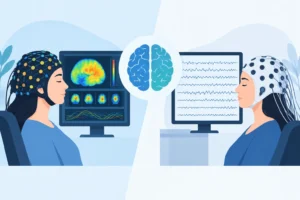
For people whose anxiety feels deeply wired into their system, neurofeedback may be a valuable part of a broader non-medication plan. Neurofeedback is a non-invasive form of brain training that uses EEG sensors to observe real-time brain activity. The information is then used to give the brain feedback, often through visual or audio cues, as it practices more regulated patterns.
A simple way to think about it is as a gym for the brain. Just as physical training uses repetition to build strength and coordination, neurofeedback uses repeated feedback to support healthier self-regulation. It does not force the brain or involve electrical stimulation. The person remains awake, comfortable, and in control throughout the session.
At Positive Living UAE, a QEEG brain map can help clinicians understand a client’s individual brain activity patterns before creating a personalized training protocol. This matters because anxiety is not identical from one person to another. One client may struggle with a hyper-alert mind and poor sleep, while another experiences low mood, mental fatigue, and difficulty concentrating alongside worry.
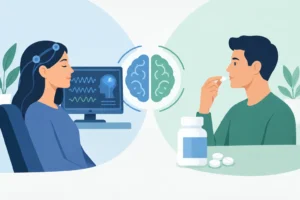
Research on neurofeedback for anxiety is promising, but outcomes can vary based on the individual, the protocol, the quality of assessment, and whether other stressors are being addressed. It should not be presented as a miracle cure or a replacement for appropriate medical care. Its value lies in offering a structured, drug-free way to support nervous system regulation, especially when paired with counseling, coaching, and healthy daily habits.
How to choose the right support for you or your child
Start by looking at the full picture. When does anxiety appear? What physical symptoms come with it? Is sleep affected? Are school, work, relationships, or daily responsibilities becoming harder? These details help determine whether self-guided tools are enough or whether professional support would be more appropriate.
Look for a provider who takes assessment seriously and can explain their recommendations in plain language. Personalized care should include clear goals, regular progress reviews, and room to adapt the plan. Be cautious of anyone who promises a guaranteed result, discourages questions, or treats anxiety as though every person needs the same protocol.
For parents, it is especially helpful to choose care that sees the child beyond the symptom. A child who is irritable, distracted, withdrawn, or struggling academically may be dealing with anxiety even if they cannot describe it that way. Support works best when it includes the child’s routines, strengths, family environment, and developmental stage.
When anxiety needs urgent attention
Non-medication support can be powerful, but it is not a reason to delay urgent help. Seek immediate local emergency or crisis support if anxiety is accompanied by thoughts of self-harm, inability to stay safe, severe confusion, chest pain, or a sudden and significant change in behavior. A medical evaluation is also appropriate when new physical symptoms could have another cause.
Choosing drug-free support does not mean choosing to manage alone. The strongest next step may be a simple one: speak openly about what anxiety is taking from your life, then work with a qualified professional to build a plan that gives you more room to sleep, think clearly, connect, and move forward with confidence.