Your heart races before an ordinary meeting. You replay a brief conversation for hours. Or you are exhausted but cannot stop scanning tomorrow for what could go wrong. Anxiety can be loud, but it can also look like irritability, perfectionism, procrastination, muscle tension, poor sleep, or an inability to truly switch off. This adult anxiety treatment guide can help you understand your options and choose support that addresses both immediate symptoms and the patterns keeping your nervous system on alert.
When anxiety needs professional support
Anxiety is a normal protective response. It becomes a concern when the alarm continues after the threat has passed, feels out of proportion to the situation, or begins limiting your work, relationships, health, or independence. You may avoid travel, speak less in meetings, overprepare for every task, cancel plans, or rely on alcohol, reassurance, or endless checking to feel safe.
There is no single experience of anxiety. Generalized anxiety disorder often involves persistent, wide-ranging worry. Panic disorder may bring sudden surges of intense fear and physical symptoms. Social anxiety can make scrutiny or interaction feel threatening, while specific phobias and obsessive-compulsive symptoms have their own patterns. Trauma, burnout, chronic pain, hormonal changes, sleep loss, stimulant use, and some medical conditions can also intensify anxiety.
That is why a thoughtful assessment matters. Effective care starts with understanding what is happening in your life, body, thoughts, sleep, and nervous system rather than assigning a one-size-fits-all solution.
Adult anxiety treatment guide: where to begin
A qualified mental health professional, physician, or integrated wellness team can help assess your symptoms, history, current medications, substance use, and physical health. If anxiety is new, severe, or accompanied by significant physical changes, a medical evaluation can help rule out contributors such as thyroid conditions, heart rhythm concerns, medication side effects, or sleep disorders.
Be honest about the impact anxiety is having. A useful assessment does not only ask whether you feel worried. It asks what anxiety stops you from doing, when it is strongest, what temporarily relieves it, and what happens afterward. This information helps create a plan with measurable goals, such as sleeping through the night more often, attending meetings with less dread, reducing panic episodes, or spending less time avoiding everyday tasks.
Therapy builds practical, lasting skills
Psychotherapy is a first-line treatment for many anxiety disorders. Cognitive behavioral therapy, or CBT, helps you notice anxious predictions, test them against evidence, and respond more effectively. It also addresses avoidance, which may bring short-term relief while teaching the brain that ordinary situations are dangerous.
Exposure-based therapy is especially valuable for phobias, panic, obsessive-compulsive symptoms, and some social fears. With a trained clinician, you gradually and safely practice facing feared sensations or situations. The goal is not to force yourself through distress. It is to help your brain learn, through repeated experience, that you can tolerate discomfort and that the feared outcome is less likely or more manageable than anxiety suggests.
Other approaches may be a better fit depending on your needs. Acceptance and commitment therapy can help you make room for difficult thoughts while acting according to your values. Trauma-informed therapy may be appropriate when anxiety is connected to past experiences. Counseling can also provide space to work through relationship stress, grief, identity changes, or the pressure of high-demand work.
Medication can be a useful part of care
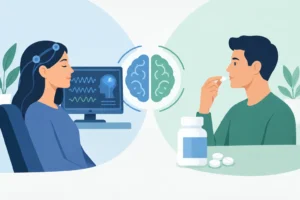
For moderate to severe anxiety, medication may reduce symptoms enough for therapy, sleep, work, and daily routines to become more manageable. Common options include SSRIs and SNRIs, which are typically taken daily and may take several weeks to show full benefit. Other medications can be considered for specific situations, but the right choice depends on your symptoms, health history, side-effect tolerance, and prescribing clinician’s guidance.
Medication is neither a failure nor a complete plan by default. Some people benefit greatly from it, while others prefer non-medication approaches or cannot tolerate certain side effects. A good prescriber discusses benefits, risks, timing, withdrawal considerations, and follow-up instead of treating medication as the only answer.
Where neurofeedback may fit
Anxiety is not simply a thinking problem. It is often a nervous system regulation problem. You may understand logically that you are safe, yet your body continues to react as though danger is near. This is where neurofeedback may be considered as part of a personalized treatment plan.
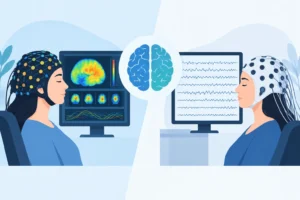
Neurofeedback is a non-invasive form of brain training. Sensors placed on the scalp measure EEG brainwave activity while you watch or listen to real-time feedback. The system rewards more regulated brain activity patterns, helping the brain practice shifting out of unhelpful states. Think of it as a gym for your brain: repetition, personalized guidance, and progress tracking help build capacity over time.
At Positive Living UAE, QEEG brain mapping can be used to identify patterns that may be relevant to attention, emotional regulation, sleep, and stress response. This assessment helps inform an individualized training protocol rather than relying on a generic session format. Structured evaluations throughout care can also show whether symptoms and functional goals are changing.
Neurofeedback is medication-free and generally well tolerated, but it is not a quick fix or a replacement for appropriate medical or psychological care. Research is promising for anxiety-related regulation and related concerns, yet results vary by person, protocol, co-occurring conditions, and consistency. For many adults, it works best alongside counseling, healthy sleep habits, and other clinically appropriate supports.
Build a plan that works in real life
The best treatment plan is one you can sustain. A high-performing professional with burnout may need brief, structured sessions and practical nervous system tools between appointments. Someone with panic may need targeted exposure work and a medical review. A person whose anxiety rises after years of poor sleep may benefit from making sleep treatment a central part of care.
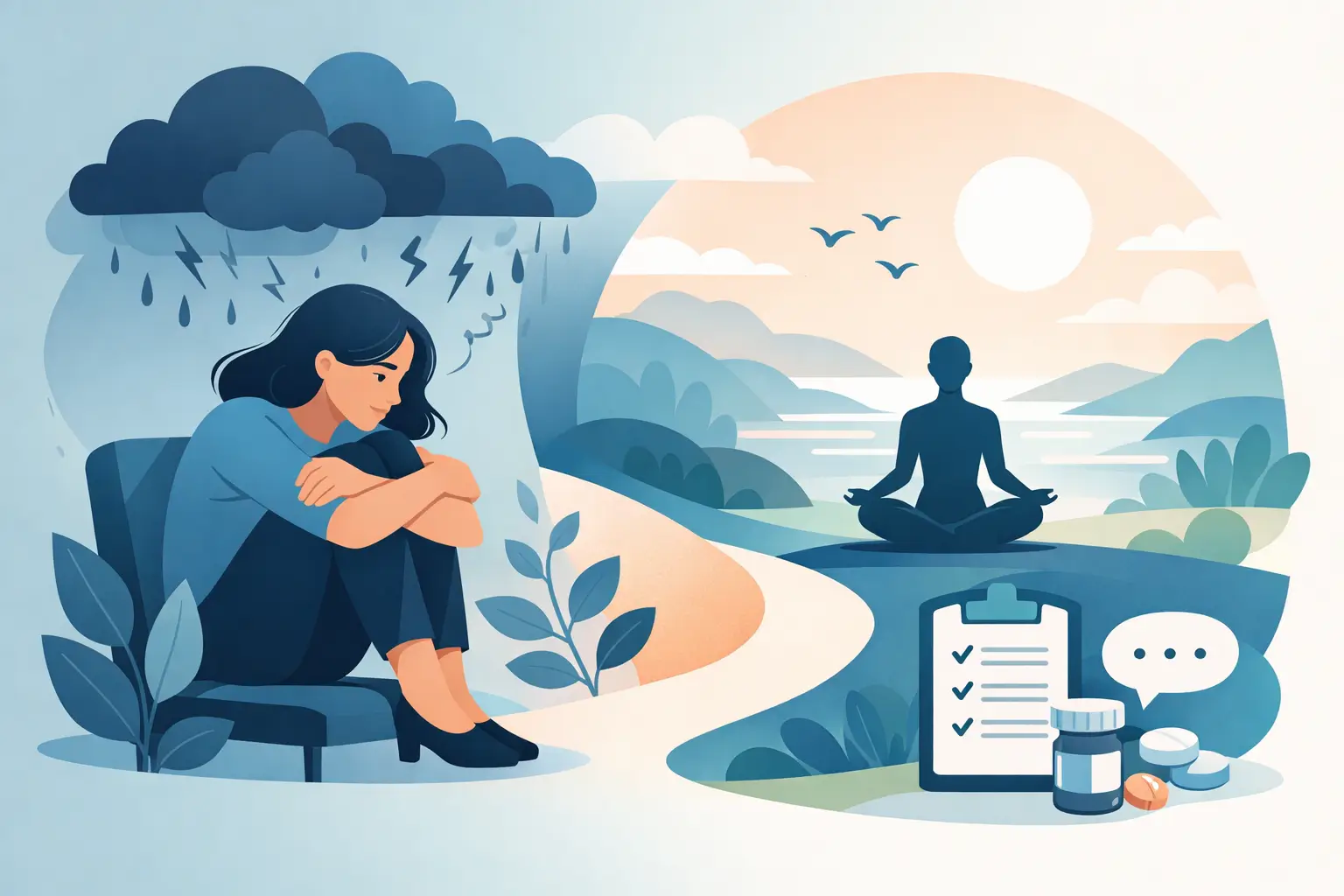
A comprehensive plan often includes four connected elements:
- A clear clinical assessment that identifies anxiety patterns, triggers, and any medical or mental health factors that need attention.
- A primary treatment approach, such as therapy, medication management, neurofeedback, or a combination based on your goals and history.
- Daily regulation practices, including consistent sleep and wake times, movement, nourishing meals, reduced caffeine when needed, and brief breathing or grounding exercises.
- Regular progress reviews using symptom tracking and practical markers such as sleep quality, avoidance, concentration, energy, and relationship functioning.
Lifestyle support is not meant to minimize serious anxiety. You cannot simply exercise your way out of panic disorder or think your way out of trauma. However, sleep, caffeine, alcohol, movement, and digital overstimulation can meaningfully affect the nervous system. Small adjustments can make clinical treatment more effective and give you more opportunities to practice the skills you are learning.
How to choose an anxiety treatment provider
Look for a provider who explains their recommendations clearly and welcomes questions. You should understand what they believe is contributing to your anxiety, how the proposed treatment is expected to help, how progress will be measured, and what alternatives are available.
Credentials and oversight matter, especially when a clinic offers brain-based services. Ask who conducts the assessment, who designs the protocol, what training and technology are used, how side effects or setbacks are handled, and how the provider coordinates with your physician or therapist when necessary. FDA-cleared equipment may be used for its intended purpose, but no technology should be presented as a guarantee of a specific outcome.
Be cautious of programs that promise to cure anxiety in a fixed number of sessions, discourage medical care without a clinical reason, or make you feel pressured to commit before you understand the plan. Compassionate care should feel collaborative. You are not a collection of symptoms to be managed. You are an active participant in your own recovery.
What progress can look like
Improvement rarely follows a straight line. Early progress may be subtle: you recover faster after a stressful email, fall asleep more easily, notice a worry without following it for an hour, or go to a place you had been avoiding. Over time, these moments can build greater confidence in your ability to handle uncertainty.
If your symptoms are worsening, treatment feels stagnant, or you are having troubling side effects, speak up quickly. A plan can be adjusted. Changing therapists, refining medication, adding a different modality, or addressing an overlooked sleep or trauma issue may be appropriate.
If anxiety includes thoughts of harming yourself, feeling unable to stay safe, or severe panic that feels medically urgent, seek immediate emergency support or contact a local crisis service. You deserve prompt care in those moments.
Lasting relief often begins when you stop judging yourself for having anxiety and start treating it as a signal worthy of skilled, compassionate attention. With the right support, your nervous system can learn that calm is not something you have to earn. It is a capacity you can strengthen.