A demanding workday rarely drains people because of one difficult task. More often, mental energy fades after hours of interruptions, unresolved stress, poor sleep, and the pressure to keep performing as though the brain has no limits. Learning how to improve mental stamina is not about forcing yourself to push harder. It is about helping your brain regulate attention, recover efficiently, and stay steady when life becomes demanding.
Mental stamina matters at every age. A child may need it to stay engaged in class and complete homework without becoming overwhelmed. A professional may need it to think clearly through meetings, deadlines, and constant notifications. Older adults may notice that concentration takes more effort than it once did. While the causes differ, the goal is similar: build the capacity to sustain focus without sacrificing emotional balance or well-being.
What Mental Stamina Really Means
Mental stamina is the ability to direct your attention, manage emotional pressure, and continue making thoughtful decisions over time. It is not simply having more willpower. A person can be highly motivated and still struggle to concentrate if they are anxious, sleep-deprived, overstimulated, or mentally exhausted.
Think of it as the brain’s ability to maintain a useful pace. When that pace is healthy, you can focus on a task, shift attention when needed, recover after stress, and return to what matters. When it is depleted, even small decisions can feel heavy. You may procrastinate, reread the same email, lose your train of thought, become more reactive, or reach for caffeine just to get through the afternoon.
Mental stamina also depends on context. An athlete preparing for competition, a parent managing a busy household, and a student with ADHD may all need support for sustained attention, but the right strategy will not look identical for each person. That is why a personalized approach is often more useful than generic advice to simply be more disciplined.
How to Improve Mental Stamina by Supporting the Basics
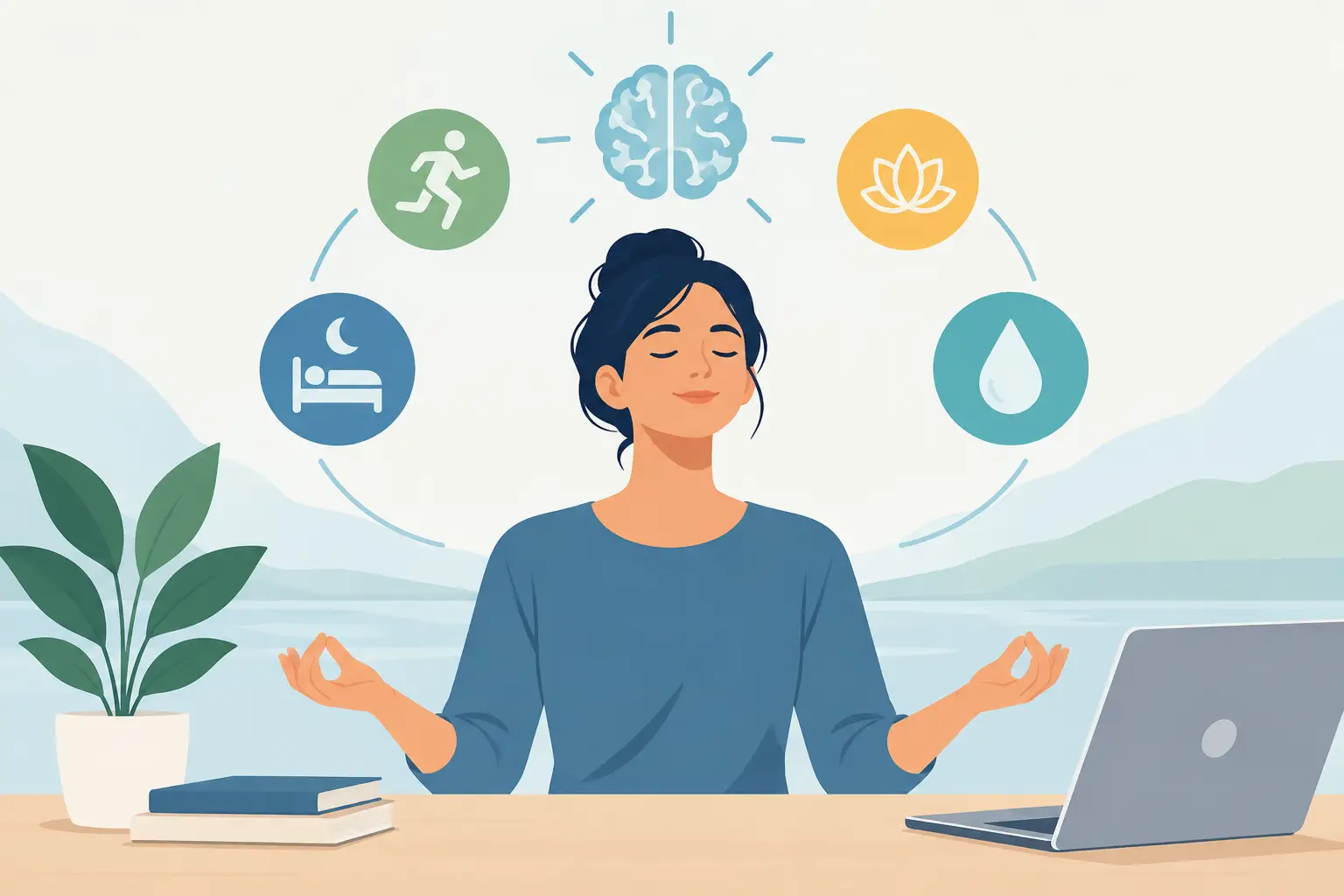
The brain uses a significant amount of the body’s energy, so mental performance is closely tied to physical regulation. Before adding another productivity system, look at the conditions your brain is working under.
Protect sleep as a performance tool
Sleep is when the brain processes information, supports memory, and resets the systems involved in attention and emotional regulation. One short night may leave you foggy. Repeated poor sleep can make concentration, patience, and problem-solving noticeably harder.
Aim for a consistent sleep and wake schedule whenever possible. Create a wind-down period that reduces bright screens, work messages, and emotionally activating content before bed. If racing thoughts, snoring, frequent waking, or insomnia are regular problems, they deserve attention rather than normalization. Addressing sleep can be one of the most meaningful ways to restore mental endurance.
Work with your attention span, not against it
Long, unbroken hours of concentration are not always a sign of high performance. For many people, they lead to diminishing returns. The brain benefits from deliberate cycles of focused work and short recovery periods.
Choose one meaningful task, remove obvious distractions, and work in a defined block of time. Then stand up, look away from the screen, stretch, drink water, or take a brief walk before returning. The ideal interval depends on the person and the task. Some people do well with 25-minute blocks, while others can sustain 60 to 90 minutes when the work is engaging. The key is to take a break before your concentration collapses completely.
Reduce the hidden cost of multitasking
Every time you switch between messages, tabs, conversations, and unfinished tasks, your brain must reorient. That transition takes energy, even when it feels quick. Over a full day, frequent switching can create the sense of being busy without feeling productive.
Try grouping similar tasks together. Keep notifications off during focused work when your responsibilities allow it, and set specific times to check email or messages. This is not about becoming unreachable. It is about giving your attention fewer demands at once so it can do deeper work with less strain.
Train Emotional Regulation Alongside Focus
Stress is not only an emotional experience. It changes the way the brain allocates attention. When the nervous system perceives ongoing threat or pressure, it becomes more likely to scan for problems, react quickly, and lose access to clear, flexible thinking.
A short regulation practice can interrupt that pattern. Slow breathing, a few minutes of quiet movement, mindfulness, prayer, or writing down the next practical step can help signal safety to the nervous system. These practices do not erase real problems. They create enough space to respond to them with more clarity.
Pay attention to the moments when your stamina drops. Does it happen after conflict? During unclear assignments? When you are worried about making a mistake? Recognizing the trigger helps you choose the right support. If anxiety is driving mental fatigue, adding another planner may not solve the problem. Addressing anxiety directly may be more effective.
Build Brain-Friendly Routines That Last
Mental stamina grows through repetition, not occasional heroic effort. A few realistic routines tend to be more valuable than an ambitious plan you abandon after a week.
Regular movement is one example. A daily walk, strength session, sport, or gentle exercise can support mood, sleep, circulation, and stress recovery. Nutrition matters too. Skipping meals, relying heavily on sugar, or using excessive caffeine can create energy swings that feel like a focus problem. Hydration and balanced meals will not solve every cognitive concern, but they provide a more stable foundation for attention.
It also helps to set boundaries around recovery. Rest is not a reward you earn only after exhaustion. A calm evening, time outside, meaningful conversation, and periods without digital input can help the brain shift out of constant demand. High performers often need this structure as much as people experiencing burnout.
When Mental Fatigue Needs More Than Lifestyle Changes
Sometimes reduced stamina is a signal that deserves professional assessment. Persistent brain fog, memory changes, severe anxiety, depression, headaches, sleep disruption, emotional outbursts, or difficulty functioning at school or work should not be dismissed as a lack of effort.
For some people, a clinical evaluation can clarify whether attention challenges, chronic stress, sleep issues, learning differences, or nervous system dysregulation are affecting performance. This matters because treating the wrong problem can be frustrating. A person who is exhausted from anxiety may not benefit from strategies designed only for time management, while someone with ADHD may need more structured support for attention and executive functioning.
Neurofeedback may be one option within a broader care plan. Often described as a gym for the brain, neurofeedback uses EEG-based feedback to help the brain practice healthier patterns of self-regulation. During training, sensors monitor brain activity while the person receives real-time feedback through sound or visual cues. Over repeated sessions, the goal is to encourage more efficient brain activity associated with the person’s needs.
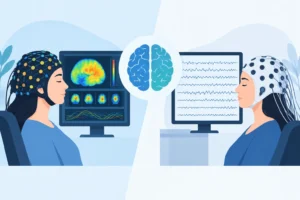
At Positive Living UAE, QEEG brain mapping and structured progress evaluations can help guide an individualized neurofeedback plan rather than relying on a one-size-fits-all protocol. Neurofeedback is non-invasive and medication-free, but it is not an instant fix or a substitute for medical care when medical treatment is needed. Results vary based on the person, the concern being addressed, consistency, and the quality of the overall support plan.
For children, this may be combined with counseling, parent guidance, and strategies that make school routines easier. For adults, it may sit alongside coaching, therapy, sleep support, and changes to workload or daily habits. The strongest outcomes usually come from treating the person as a whole, not treating focus as an isolated skill.
A More Sustainable Definition of Strong
Improving mental stamina does not mean being available every hour, tolerating endless pressure, or ignoring signs of fatigue. Real resilience includes knowing when to focus, when to pause, and when to seek support. Start with one small change you can repeat this week, then notice what your mind is telling you. Steady energy is built through care, practice, and the confidence that your brain can learn healthier ways to meet the demands of daily life.