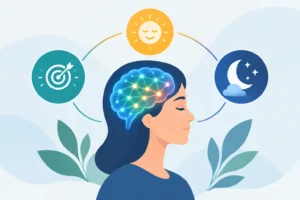
A child who cannot settle into homework, a professional who feels wired long after work ends, and an adult who wakes exhausted despite a full night in bed may appear to have very different challenges. Often, however, the nervous system is struggling to shift into the state each task requires. Noninvasive brain therapy offers a medication-free way to understand those patterns and train the brain toward healthier regulation.
For many people, the appeal is not a quick fix. It is the possibility of learning greater calm, focus, emotional flexibility, and mental stamina over time. Neurofeedback is one form of noninvasive brain therapy that helps make this process visible, personal, and measurable.
What Is Noninvasive Brain Therapy?
Noninvasive brain therapy refers to approaches that support brain function without surgery or implanted devices. Depending on the method, this can include neurofeedback, certain forms of brain stimulation, and other technology-supported therapies. These options are not interchangeable, and the right choice depends on a person’s needs, health history, symptoms, and clinical guidance.
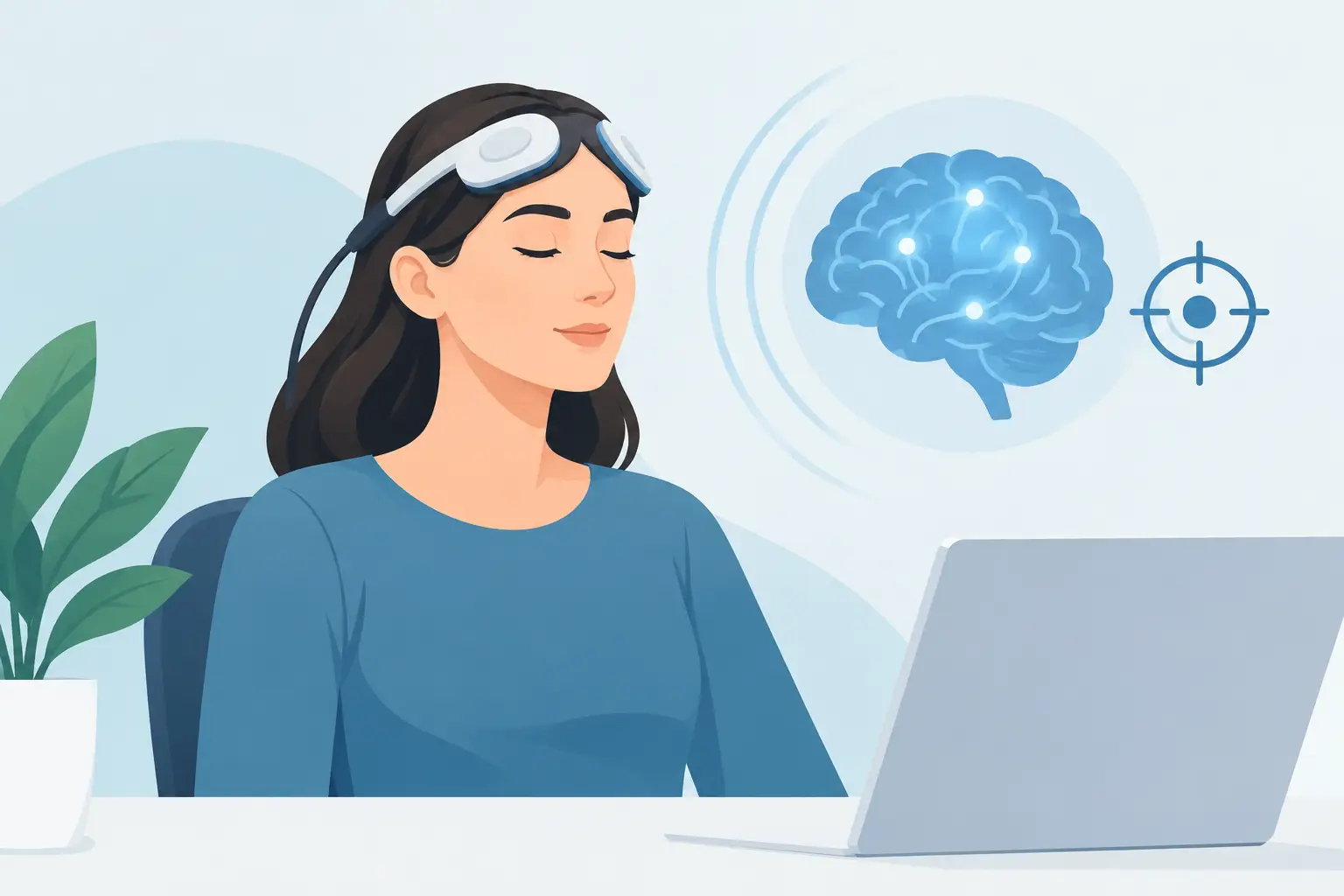
At Positive Living UAE, neurofeedback is a central approach. It is a form of EEG-based brain training that records electrical activity from the scalp using sensors. Nothing is sent into the brain during standard neurofeedback training. The sensors simply measure brainwave activity while the client receives real-time feedback through sound, visual displays, or a video.
A useful way to think about neurofeedback is as a gym for your brain. Just as physical training gives your body feedback through effort and repetition, neurofeedback gives the brain immediate information about patterns it is learning to regulate. Over repeated sessions, the brain can practice producing more balanced activity patterns.
How Neurofeedback Training Works
Neurofeedback should not begin with a one-size-fits-all protocol. A person with trouble concentrating may also have poor sleep, anxiety, burnout, sensory sensitivity, or medication effects. The same outward symptom can have different underlying patterns, which is why personalization matters.
Beginning with a QEEG brain map
A Quantitative EEG, often called a QEEG brain map, measures and compares patterns of brainwave activity across different areas of the brain. It can help a trained practitioner identify areas of dysregulation that may relate to concerns such as attention difficulties, emotional reactivity, sleep disruption, or mental fatigue.
A QEEG is not a diagnosis on its own. It is one part of a broader clinical picture that should include a detailed conversation about symptoms, lifestyle, medical history, goals, and progress. Used thoughtfully, it helps move care beyond guesswork.
Creating a personalized protocol
Once assessment is complete, the practitioner develops a training plan suited to the client’s goals and brain activity patterns. During a session, small sensors are placed on the scalp using a conductive paste or gel. Clients sit comfortably and watch a screen, listen to audio, or engage with a simple interactive program.
When the brain moves toward the desired activity pattern, the feedback becomes smoother or more rewarding. When it shifts away, the feedback changes. This happens automatically and does not require clients to force their thoughts in a particular direction. The process is gentle, repetitive, and designed to support learning through feedback.
Tracking change, not guessing at it
Meaningful brain training includes regular review. Symptom tracking, client feedback, functional improvements, and follow-up assessments can show whether the plan is helping. For a child, progress may look like fewer school conflicts or easier transitions. For an executive, it may mean clearer decision-making and less anxiety before presentations. For someone with sleep concerns, it may mean falling asleep more easily or waking less often.
Results vary. Some clients notice shifts in sleep, calm, or concentration early, while others need more time and consistent training. The goal is not perfection. It is stronger self-regulation that carries into everyday life.
Who May Benefit From Noninvasive Brain Therapy?
Neurofeedback may be considered by children, adults, and seniors seeking structured support for brain-based symptoms or performance goals. It can be especially appealing for people who want a drug-free option, cannot tolerate certain medications, or want complementary support alongside care from their physician or therapist.
It may be used as part of a broader plan for concerns such as:
- ADHD symptoms, learning challenges, and difficulties with sustained attention
- Anxiety, chronic stress, burnout, anger, and emotional overreaction
- Sleep disruption, mental fatigue, and trouble winding down
- Low mood, reduced motivation, and cognitive fog
- Migraines, memory concerns, and performance goals involving focus or resilience
These categories do not guarantee that neurofeedback is appropriate for every person. Depression, migraines, memory changes, and severe anxiety can have medical causes that require evaluation. Neurofeedback should complement, not replace, appropriate medical or mental health care. Anyone experiencing thoughts of self-harm, psychosis, severe neurological symptoms, or an urgent mental health crisis needs immediate professional support.
What a Session Feels Like
People are often relieved to learn that neurofeedback does not involve electric shocks, sedation, or surgery. Standard EEG neurofeedback is generally comfortable. The most common inconvenience is the time needed to place sensors and clean the scalp afterward.
A session is also quieter than many people expect. You may watch a movie that subtly responds to your brain activity, listen to audio that becomes clearer when the brain meets the training target, or simply relax while the system provides feedback. Children often engage well because the experience feels approachable rather than intimidating.
The work continues outside the clinic. Better results are supported by sleep routines, hydration, movement, counseling when needed, and realistic expectations. A holistic care model can be particularly valuable when someone is working through both emotional patterns and brain regulation challenges. Counseling, coaching, or hypnotherapy may address the thoughts, habits, and life experiences that technology alone cannot resolve.
Safety, Evidence, and Realistic Expectations
The word “noninvasive” does not mean “automatic” or “risk-free.” Proper screening and professional oversight matter. A qualified practitioner should ask about neurological conditions, seizure history, medications, diagnoses, and current care before recommending a protocol. They should also monitor how the client feels between sessions and adjust training when appropriate.
Research on neurofeedback is growing, particularly in areas such as ADHD and some anxiety-related concerns, but the strength of evidence differs by condition and protocol. This is why responsible providers avoid promising cures or identical outcomes. Brain health is complex, and meaningful change often depends on the interaction of sleep, stress, relationships, medical factors, environment, and consistent participation.
The strongest experience is one that combines advanced assessment with attentive human care. Technology can measure patterns, but it cannot replace clinical judgment, compassionate listening, or a plan tailored to the person sitting in the chair.
Choosing the Right Support
Before beginning noninvasive brain therapy, ask how the provider assesses your needs, who interprets the EEG or QEEG findings, how progress is measured, and how the protocol is adjusted. Look for a center that explains the process clearly rather than relying on dramatic claims.
For parents, it is helpful to ask how the plan will connect to school routines, behavior, and family life. For professionals, ask how goals such as concentration, energy, sleep, and stress recovery will be tracked. For seniors or people with new cognitive symptoms, ensure medical evaluation is part of the conversation.
The best care plan feels both scientific and personal. It gives you clear information, respects your concerns, and helps you take an active role in building the mental steadiness you want for work, relationships, learning, and rest.
A regulated brain is not a brain that never feels stress, sadness, or pressure. It is a brain that can recover, refocus, and respond with more choice. For many people, that is where lasting change begins.