
Blogs

Why Are Mental Health Issues Increasing Worldwide?

Mental health problems are becoming more common across the world. Many countries are reporting rising levels of anxiety, depression, stress, and other mental health conditions. According to the World Health Organisation (WHO), more than one billion people globally are living with a mental health disorder, making it one of the biggest public health challenges today.

There is no single reason for this increase. Instead, mental health issues are growing due to a combination of social, economic, technological, and lifestyle changes. Understanding these factors can help us better support mental well-being and create healthier communities.

Greater Awareness and Diagnosis

One reason mental health issues seem to be increasing is that people are now more aware of them. In the past, many individuals struggled silently because mental health was rarely discussed openly.

Today, conversations about emotional well-being are becoming more common. Schools, workplaces, and healthcare systems are paying more attention to mental health. Because of this awareness, more people are seeking help and receiving diagnoses.

This does not always mean the problems are new. In many cases, it means people are finally recognising and reporting what they are experiencing.

The Impact of Modern Lifestyle

Modern life has changed rapidly over the past few decades. Many people live fast-paced lives filled with work pressure, financial responsibilities, and constant digital connectivity.

This constant pressure can create chronic stress. When stress continues for long periods without enough rest or emotional support, it can lead to anxiety, burnout, and depression.

Urban living, long working hours, and limited downtime can also make it harder for people to maintain a healthy balance between work, relationships, and personal well-being.

Social Isolation and Loneliness

Even though technology allows people to stay connected online, many individuals still experience loneliness. Social isolation has become more common in modern societies.

People may spend more time alone due to busy schedules, remote work, or reduced community interaction. When individuals feel disconnected from family, friends, or supportive communities, it can increase the risk of mental health challenges.

Human connection plays a major role in emotional well-being. Without it, feelings of sadness, anxiety, or hopelessness may grow over time.

The Influence of Social Media and Technology

Digital technology has transformed how people communicate and interact. While social media can help people stay connected, it can also affect mental health in several ways.

Constant exposure to curated images and lifestyles can lead to unhealthy comparisons. People may feel they are not successful, attractive, or happy enough compared to what they see online.

Additionally, spending long hours on screens can affect sleep patterns, attention span, and emotional regulation. Over time, these habits may contribute to increased stress and anxiety, especially among young people.

Economic Pressure and Uncertainty

Financial stress is another major contributor to mental health problems. Job insecurity, rising living costs, and economic instability can create ongoing worry and pressure.

When individuals struggle to meet financial responsibilities, they may experience chronic stress. This stress can affect sleep, relationships, and emotional stability.

Economic difficulties can also limit access to healthcare and support systems, making it harder for people to get the help they need.

Global Events and Crises

Major global events can have a strong impact on mental health. The COVID-19 pandemic is a clear example. Lockdowns, isolation, and uncertainty about the future caused stress and anxiety for millions of people.

Research shows that depression and anxiety increased significantly during the pandemic due to isolation, fear of illness, and economic disruption.

Other global challenges, such as climate change, conflicts, and political instability, can also increase emotional stress and uncertainty.

Limited Access to Mental Health Support

Even though awareness is improving, access to mental health care remains limited in many parts of the world. Some countries have very few trained mental health professionals.

The WHO reports that the global average is only 13 mental health workers per 100,000 people, which makes it difficult for many individuals to receive proper treatment.

In low-income countries, mental health services may be especially limited, leaving many people without the support they need.

Why Young People Are Particularly Affected

Young people today face unique challenges that can affect their mental health. Academic pressure, career uncertainty, and social media influence can create high levels of stress.

Adolescents and young adults are also navigating identity, relationships, and life transitions. These changes can sometimes make them more vulnerable to anxiety and depression.

Experts often emphasise the importance of early support and mental health education for young people to help them build resilience.

Final Thoughts

At Positive Living UAE, we recognise that the rise in mental health challenges highlights the importance of awareness, early support, and accessible care. Modern lifestyles, social pressures, and global uncertainties can impact emotional well-being, which is why professional guidance and supportive environments are essential for maintaining mental health.

If you or someone you care about is experiencing emotional or mental health difficulties, the team at Positive Living UAE is here to help. Reach out to us today to learn more about our personalised therapy services and take the first step toward better mental well-being.


Can Exercise Improve Mental Health?

Exercise is often associated with physical fitness, weight management, and overall health. But its benefits go far beyond the body. Regular physical activity can also play an important role in supporting mental health.

Many people notice that they feel calmer, happier, or more energetic after exercising. This is not just a feeling. it happens because exercise affects the brain in positive ways. From reducing stress to improving mood, regular movement can help support emotional well-being and mental balance.

How Exercise Affects the Brain

When you exercise, your brain releases natural chemicals that improve mood. These chemicals, often called “feel-good” hormones, help reduce feelings of stress and sadness.

Physical activity also increases blood flow to the brain. This helps deliver oxygen and nutrients that support healthy brain function. As a result, many people experience better concentration, improved memory, and clearer thinking.

Exercise can also help regulate the body’s stress response. When done regularly, it can train the brain to handle stressful situations more calmly.

Exercise and Stress Reduction

One of the most immediate mental health benefits of exercise is stress relief. When people feel overwhelmed or tense, physical movement helps release built-up tension in the body.

Activities such as walking, jogging, cycling, or yoga allow the mind to shift away from stressful thoughts. Even a short workout can create a sense of relaxation afterwards.

Over time, regular exercise can help the nervous system become more balanced, making it easier to cope with daily pressures.

Improving Mood and Reducing Symptoms of Depression

Exercise can also support people who experience low mood or symptoms of depression. Physical activity stimulates the release of chemicals like endorphins and serotonin, which are linked to positive emotions.

These natural mood boosters can help people feel more motivated and emotionally stable. While exercise is not a replacement for professional treatment, it can be an important part of a mental health care plan.

Many mental health professionals encourage regular physical activity as a supportive lifestyle habit.

Boosting Confidence and Self-Esteem

Another way exercise improves mental health is by strengthening self-confidence. When people set small fitness goals and achieve them, they often feel a sense of accomplishment.

Physical activity can also improve body awareness and energy levels. These positive changes can increase self-esteem and encourage a healthier relationship with the body.

Even simple routines like daily walks or light stretching can help build a sense of progress and control.

Better Sleep and Mental Clarity

Exercise is closely connected to sleep quality. People who stay physically active often fall asleep faster and enjoy deeper rest.

Better sleep allows the brain to process emotions, recharge energy levels, and improve focus during the day. When sleep improves, mood and mental clarity often improve as well.

However, it is usually best to avoid intense workouts right before bedtime, as they may make it harder to relax.

Social Benefits of Physical Activity

Exercise can also improve mental health through social interaction. Activities such as group classes, sports, or fitness clubs allow people to connect with others who share similar interests.

These interactions help reduce feelings of loneliness and create a sense of community. Social connection is an important factor in emotional well-being.

Even exercising with a friend or family member can make the experience more enjoyable and motivating.

Finding the Right Type of Exercise

The best exercise for mental health is often the one you enjoy the most. It does not need to be intense or complicated.

Some helpful activities include walking, swimming, cycling, yoga, dancing, or strength training. The key is consistency rather than intensity.

Experts often recommend around 30 minutes of moderate activity most days of the week. However, even shorter periods of movement can have positive effects on mood and stress levels.

Supporting Mental Health with a Holistic Approach

Exercise is one powerful tool for improving mental health, but it works best when combined with other healthy habits. Sleep, nutrition, emotional support, and stress management all play important roles.

In some cases, people may also benefit from professional mental health support. Therapy, mindfulness practices, and brain-based treatments can help address deeper emotional challenges.

At Positive Living UAE, holistic mental health care focuses on supporting the mind, brain, and body together. Combining lifestyle habits like exercise with therapeutic support can help individuals build stronger emotional resilience.

Final Thoughts

Exercise can have a powerful impact on mental health. Regular physical activity helps reduce stress, improve mood, increase confidence, and support better sleep.

The most important step is simply starting with small, manageable activities. Over time, these habits can create lasting benefits for both the body and the mind.

When exercise becomes part of a balanced lifestyle, it can be a valuable tool for maintaining emotional well-being and overall mental health.

How Does Screen Time Affect Children’s Mental Health?

Screens have become a normal part of everyday life. Children today use smartphones, tablets, computers, and televisions for learning, entertainment, and social interaction. While technology can be helpful, too much screen time can sometimes affect a child’s mental and emotional well-being.

Parents often wonder how much screen time is healthy and when it starts to become a problem. The truth is that screen use itself is not always harmful. The impact depends on how long children use screens, what they watch or play, and how it affects their daily routines.

Understanding how screen time influences children’s mental health can help parents create healthier habits for their families.

The Connection Between Screen Time and Mental Health

Children’s brains are still developing, which means they can be more sensitive to habits and environments around them. When children spend many hours on screens, it can sometimes affect their mood, attention, and social behaviour.

For example, too much screen time may reduce the amount of time children spend playing outside, interacting with family members, or participating in physical activities. These experiences are important for emotional development.

When screen use replaces these activities, children may miss opportunities to build social skills, creativity, and emotional resilience.

Effects on Sleep

One of the most common ways screen time affects children is through sleep. Many children use phones or tablets close to bedtime, which can make it harder for them to fall asleep.

Screens emit blue light that can interfere with the brain’s natural sleep cycle. When children stay awake longer using devices, they may not get the rest their brain and body need.

Lack of sleep can lead to irritability, difficulty concentrating, and mood changes during the day. Over time, poor sleep habits can affect learning, emotional regulation, and overall mental health.

Increased Anxiety and Emotional Stress

Some forms of screen use can expose children to stressful or overwhelming content. Social media, online games, or constant digital notifications may increase feelings of pressure or comparison.

Children and teenagers may start comparing themselves to others online. They might feel they are not doing enough, not looking good enough, or not fitting in. These thoughts can contribute to anxiety and low self-esteem.

Additionally, fast-paced digital content can sometimes overstimulate the brain. This may make it harder for children to relax, focus, or manage their emotions.

Impact on Attention and Focus

Spending long hours on screens can also affect a child’s attention span. Many digital platforms are designed to deliver quick and constant stimulation.

When children become used to fast-moving content, they may find it harder to stay focused on slower activities like reading, studying, or classroom learning.

This does not mean technology should be completely avoided. However, balance is important so children can develop strong concentration and problem-solving skills.

Reduced Face-to-Face Social Interaction

Healthy social development requires real-life interaction. Children learn empathy, communication, and emotional understanding through conversations, play, and shared experiences.

When screen time replaces these interactions, children may have fewer opportunities to practice these skills. Some children may become more withdrawn or feel uncomfortable in social settings.

Spending time with family and friends helps children build confidence and emotional awareness. These connections are essential for long-term mental health.

When Screen Time Can Be Positive

It is important to remember that technology can also have positive effects when used in a healthy way. Educational programs, creative apps, and online learning tools can support a child’s development.

Screens can also help children stay connected with friends and family, especially when physical distance is involved.

The key is to focus on how screens are used. Balanced screen habits combined with physical activity, social interaction, and rest can create a healthier relationship with technology.

Helping Children Build Healthy Screen Habits

Parents play an important role in guiding children’s screen use. Creating clear boundaries around screen time can help children maintain a healthy routine.

For example, families can set device-free times during meals or before bedtime. Encouraging outdoor play, hobbies, and family activities also helps create balance.

Open conversations about online experiences are also important. When children feel comfortable talking about what they see or do online, parents can guide them more effectively.

Supporting Children’s Mental Well-Being

Children’s mental health is influenced by many factors, including sleep, relationships, lifestyle habits, and emotional support. Reducing excessive screen time is just one step in supporting healthy development.

When parents notice changes in mood, behaviour, or focus, it may be helpful to explore the underlying causes. Sometimes stress, anxiety, or emotional challenges may be involved.

Professional guidance can help families better understand these concerns and support a child’s emotional well-being.

Final Thoughts

At Positive Living UAE, we understand that managing children’s screen habits can be challenging in today’s digital world. With the right guidance and support, families can create healthier routines that protect children’s emotional well-being and help them develop a balanced relationship with technology.

If your child is struggling with excessive screen use, Positive Living UAE offers professional Screen Addiction Therapy in Dubai to help your child develop healthier digital habits and improve their overall mental well-being. Reach out to our team today to help your child build healthier habits and improve their overall mental well-being.

What Are the Different Types of Mental Health Therapy?

Mental health therapy can help people understand their emotions, manage stress, and improve their overall well-being. Many people think therapy only means talking about problems, but there are actually several different types of therapy. Each approach focuses on different ways to support the mind and emotional health.

The right type of therapy depends on a person’s needs, experiences, and goals. Some therapies focus on changing thought patterns, while others help regulate the brain or strengthen relationships. Understanding the different options can make it easier for someone to find the support that works best for them.

Psychotherapy (Talk Therapy)

Psychotherapy, often called talk therapy, is one of the most common forms of mental health treatment. In this type of therapy, a person talks with a trained therapist about their thoughts, feelings, and life experiences.

The goal of talk therapy is to help people better understand themselves and learn healthier ways to cope with challenges. Many people use this type of therapy to manage anxiety, depression, stress, or relationship problems.

Through regular conversations, individuals can explore patterns in their thinking and behaviour. Over time, this process can help them develop new strategies for handling difficult emotions and situations.

Cognitive Behavioural Therapy (CBT)

Cognitive Behavioural Therapy, often called CBT, focuses on the connection between thoughts, feelings, and behaviours. This approach helps people recognise negative thinking patterns that may affect their mental health.

For example, someone might often assume the worst in situations or criticise themselves harshly. CBT helps individuals identify these thoughts and replace them with more balanced and realistic ones.

This type of therapy is commonly used to treat anxiety disorders, depression, and stress-related conditions. It is structured and goal-oriented, which helps many people see progress over time.

Family and Couples Therapy

Mental health challenges can sometimes affect relationships with family members or partners. Family and couples therapy focuses on improving communication and strengthening relationships.

During these sessions, the therapist works with multiple people at the same time. The goal is to help everyone better understand each other’s feelings and perspectives.

This type of therapy can help resolve conflicts, improve trust, and create healthier communication patterns. It is especially helpful when stress or emotional challenges begin affecting relationships at home.

Group Therapy

Group therapy brings together a small group of people who may be experiencing similar challenges. These sessions are guided by a trained therapist and provide a supportive environment where individuals can share their experiences.

Many people find comfort in hearing that others face similar struggles. This shared understanding can reduce feelings of isolation.

Group therapy also helps people practice communication skills and learn from the coping strategies of others in the group.

Neurofeedback Therapy

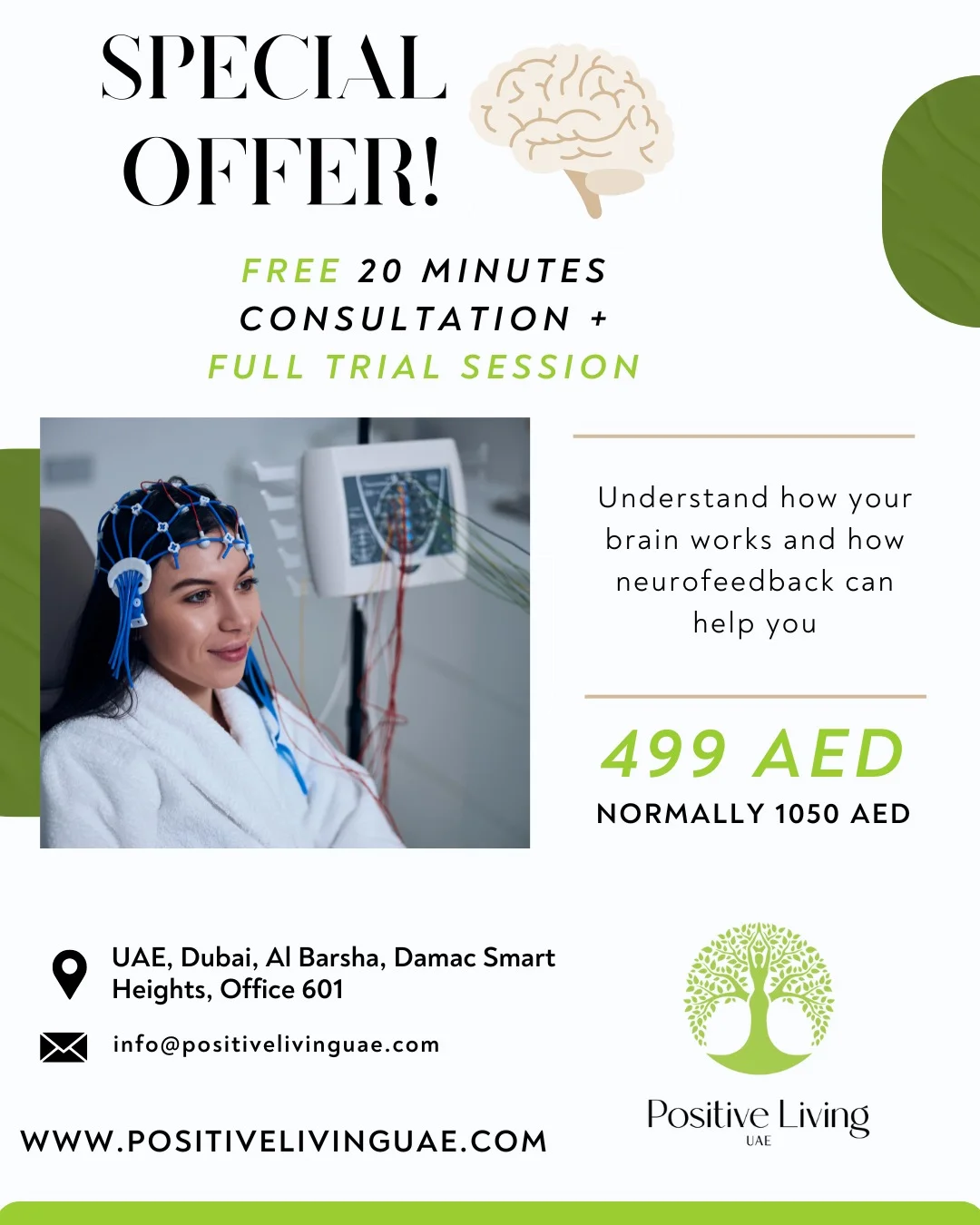
Neurofeedback therapy is a modern approach that focuses on the brain itself. It uses technology to monitor brain activity and help individuals learn how to regulate their brain patterns.

During a neurofeedback session, sensors are placed on the scalp to measure brain activity. The person receives feedback through visual or audio signals, which helps the brain learn healthier patterns.

This therapy is often used to support people dealing with anxiety, stress, sleep issues, or attention difficulties. Over time, neurofeedback may help the brain improve focus, emotional regulation, and overall mental balance.

Mindfulness-Based Therapy

Mindfulness-based therapy helps people become more aware of their thoughts and feelings without judging them. It encourages individuals to focus on the present moment instead of worrying about the past or future.

This type of therapy often includes breathing exercises, meditation, and relaxation techniques. These practices help calm the nervous system and reduce emotional tension.

Mindfulness-based approaches can be helpful for managing stress, anxiety, and emotional overwhelm. Many people also find that mindfulness improves their ability to handle daily challenges more calmly.

Holistic and Integrative Therapy

Holistic therapy looks at the connection between the mind, brain, and body. Instead of focusing on just one symptom, this approach considers a person’s overall well-being.

Holistic therapy may combine several methods, such as counselling, mindfulness practices, and brain-based therapies. The goal is to support mental and physical balance at the same time.

This approach recognises that mental health is influenced by many factors, including lifestyle, stress levels, and personal experiences.

Choosing the Right Type of Therapy

There is no single therapy that works for everyone. What helps one person may not be the best fit for someone else.

The most important step is finding a qualified mental health professional who can understand your needs and guide you toward the right treatment approach. Sometimes therapists combine different methods to create a personalised plan.

With the right support, therapy can help people gain clarity, build emotional resilience, and improve their quality of life.

How We Can Help You

At Positive Living UAE, we believe everyone deserves the right support to achieve better mental and emotional well-being. With the right combination of therapies and personalised care, individuals can build resilience, manage stress, and create a healthier, more balanced life.

If you’re looking for professional mental health support, our team at Positive Living UAE is here to help. Reach out today to learn more about our therapy services and take the first step toward a calmer and more confident you.

How Does Stress Affect Your Brain and Body?

Stress is a natural part of life. Everyone experiences it at some point, whether it comes from work, family responsibilities, health concerns, or daily challenges. In small amounts, stress can actually be helpful. It can motivate you to meet deadlines, solve problems, or stay focused during important moments.

However, when stress becomes constant or overwhelming, it can start affecting both the brain and the body. Long-term stress can change how we think, feel, and physically function. Understanding how stress works inside the body can help people recognise when it’s time to slow down and take care of their mental well-being. In such cases, approaches like neurofeedback therapy are gaining attention as an effective way to train the brain to manage stress better and restore emotional balance.

What Happens in the Brain During Stress?

When you experience stress, your brain immediately goes into alert mode. This response is controlled by a part of the brain called the amygdala, which helps detect threats and triggers the body’s stress response.

Once the brain senses danger or pressure, it sends signals to release stress hormones such as cortisol and adrenaline. These hormones prepare the body to react quickly. Your heart beats faster, breathing speeds up, and your muscles become tense. This reaction is often called the “fight or flight” response.

In short bursts, this response can help you deal with challenges. But if the brain stays in this alert state for too long, it can start affecting emotional balance, memory, and focus.

How Stress Impacts Brain Function

Chronic stress can gradually influence how the brain works. One common effect is difficulty concentrating. When stress levels remain high, the brain may struggle to stay focused on tasks or make decisions.

Memory can also be affected. The hippocampus, which helps store and recall information, can become less effective when stress hormones remain elevated for long periods. This is why people under constant stress sometimes feel forgetful or mentally overwhelmed.

Stress can also increase emotional sensitivity. The brain may react more strongly to small problems, leading to irritability, anxiety, or mood swings. Over time, these emotional changes can affect relationships and daily life.

Physical Effects of Stress on the Body

Stress not only affects the mind. The body also reacts strongly when stress levels stay high.

One of the most noticeable effects is muscle tension. When the body prepares for a stressful situation, muscles tighten automatically. If stress continues for a long time, this tension can lead to headaches, neck pain, or back discomfort.

The heart and circulatory system are also affected. Stress can increase heart rate and blood pressure. While this reaction helps the body respond quickly in emergencies, constant stress can put extra strain on the cardiovascular system.

The digestive system can also respond to stress. Some people experience stomach pain, nausea, or digestive discomfort when they feel overwhelmed. Stress can even influence appetite, causing people to eat more or less than usual.

Stress and Sleep Problems

Sleep and stress are closely connected. When the mind feels overwhelmed, it can be difficult to relax at night.

Many people under stress struggle to fall asleep because their thoughts keep racing. Others may wake up frequently during the night or feel restless even after sleeping. Poor sleep can then make stress feel even worse the next day.

Over time, this cycle of stress and poor sleep can reduce energy levels and make it harder to manage daily responsibilities.

Emotional and Behavioural Changes

Long-term stress can also influence emotions and behaviour. A person may begin to feel more anxious, impatient, or emotionally exhausted.

Small challenges may suddenly feel much larger than they really are. This happens because the brain remains in a constant state of alertness. Some people may withdraw from social interactions or lose motivation to participate in activities they once enjoyed.

Stress can also affect productivity and decision-making. When the mind feels overloaded, even simple tasks may seem difficult to complete.

How Managing Stress Supports Mental Health

While stress cannot always be avoided, it can be managed in healthy ways. Learning how to regulate stress is an important step toward protecting both mental and physical health.

Healthy habits such as regular physical activity, mindfulness practices, and quality sleep can help calm the nervous system. Spending time with supportive friends or family members can also reduce emotional pressure.

Holistic mental health approaches often focus on helping the brain return to a balanced state. Techniques such as relaxation training, therapy, and brain-based treatments can support better emotional regulation.

At Positive Living UAE, stress management is approached from a whole-person perspective. By supporting the mind, brain, and body together, individuals can build healthier ways to cope with everyday pressures.

Final Thoughts

Stress is a normal part of life, but long-term stress can affect both the brain and the body in many ways. It can influence memory, focus, sleep, emotional balance, and physical health.

Recognising the effects of stress is an important step toward better mental well-being. When people understand how stress impacts their body and mind, they can begin taking steps to restore balance.

With the right awareness, support, and healthy habits, it is possible to manage stress and protect your long-term mental health.

Why Recognising Mental Health Problems Early Matters

Mental health is just as important as physical health. When emotional struggles are ignored for too long, they can grow into more serious conditions that become harder to manage.

Recognising mental health red flags early allows people to take action sooner. This might include speaking with a therapist, learning stress-management strategies, or making simple lifestyle changes that support emotional balance.

Many people delay seeking help because they believe their problems are not serious enough. But mental health concerns don’t need to reach a crisis point before support becomes helpful. In fact, early conversations with a professional often bring clarity, relief, and direction.

Common Early Signs of Mental Health Problems

The early symptoms of mental health challenges can show up in different ways. Some affect emotions, while others impact behaviour, sleep, or physical health. These patterns are often considered common symptoms of mental illness, especially when they persist for weeks or start affecting everyday life.

Persistent Feelings of Sadness or Low Mood

Feeling sad occasionally is part of life. However, when sadness continues for weeks or keeps returning, it may signal a deeper emotional struggle.

A person might feel hopeless, unmotivated, or emotionally drained. Activities that once brought joy may no longer feel enjoyable. These feelings can sometimes be linked to depression, stress, or emotional exhaustion and burnout, especially for people balancing heavy responsibilities.

Excessive Worry or Anxiety

Worry is normal in stressful situations, but constant anxiety feels very different. It may involve racing thoughts, restlessness, or a sense that something bad might happen.

People experiencing anxiety often struggle to relax even during calm moments. Over time, this constant tension can affect sleep, decision-making, and emotional stability.

Withdrawal from Friends and Social Activities

Another early indicator is pulling away from social life. Someone who once enjoyed spending time with others may begin avoiding gatherings or cancelling plans.

These social withdrawal symptoms often develop gradually. At first, it may look like a lack of energy or interest. Over time, isolation can increase feelings of loneliness and emotional distress.

Changes in Sleep Patterns

Sleep often reflects what is happening in the mind. Stress and emotional struggles can quickly affect sleep routines.

Some people find it difficult to fall asleep or wake up frequently during the night. Others may sleep much longer than usual but still feel tired during the day. These changes in sleep and appetite are common physical indicators that mental health may be affected.

Difficulty Concentrating or Making Decisions

Mental health struggles can also impact thinking and focus. Tasks that once felt simple may suddenly require more effort.

A person may feel mentally foggy, forgetful, or easily distracted. These cognitive and behavioural shifts can affect work performance, academic tasks, and everyday responsibilities.

Sudden Mood Swings or Irritability

Emotions can become more intense when mental health is under pressure. Someone may notice frequent mood swings or feel irritated by small situations.

These emotional reactions are often signs that the mind is struggling to process stress effectively. Over time, they may affect relationships with family, friends, or coworkers.

Changes in Appetite or Eating Habits

Mental health can influence eating behaviours as well. Some people lose their appetite completely, while others may eat more than usual during stressful periods.

These physical changes often appear alongside emotional symptoms. When appetite shifts occur with mood changes or fatigue, it may signal deeper emotional stress.

Unexplained Physical Symptoms

Mental health challenges do not only affect the mind. They can also appear in the body.

People sometimes experience headaches, stomach pain, muscle tension, or fatigue without a clear medical explanation. Emotional stress often shows itself physically, making it important to consider both physical and emotional health together.

Emotional, Behavioural, and Physical Warning Signs

Mental health challenges often appear in several areas at once. Emotional signs may include sadness, low confidence, or feeling emotionally numb.

Behavioural changes might involve avoiding responsibilities, losing motivation, or struggling to complete daily routines. Physical symptoms may include fatigue, sleep disruption, or headaches.

When multiple mental health warning signs appear together and continue over time, it may indicate that emotional support could be helpful.

Early Signs in Children and Teenagers

Mental health challenges can also affect younger individuals. In fact, many mental health conditions begin during childhood or adolescence.

Parents may notice changes in school performance, behaviour, or mood. A child might become more irritable, withdrawn, or frustrated easily. Sleep patterns and appetite may also shift.

Because teenagers sometimes struggle to express their emotions clearly, it’s important for parents and caregivers to stay attentive and supportive.

How to Know If You Need Professional Support

Many people wonder how to know if I need therapy. One of the best ways to assess this is to look at how long the symptoms last and how much they affect daily life.

If emotional or behavioural changes continue for several weeks, it may be helpful to speak with a mental health professional. Support may also be beneficial if the symptoms begin affecting work, relationships, sleep, or daily responsibilities.

Seeking help is not a sign of weakness. It is a step toward understanding your emotions and learning healthier ways to cope.

Mental Health Support in Dubai

Living in a fast-paced environment can sometimes increase emotional pressure. Many people in Dubai balance demanding careers, family responsibilities, and busy social lives.

Because of this, mental health support has become increasingly important. Therapy and holistic treatments can help individuals strengthen resilience, improve emotional balance, and protect long-term psychological well-being.

Final Thoughts

Recognising the early signs of mental health problems can make a powerful difference in someone’s life. Small emotional, behavioural, or physical changes can sometimes be early signals that the mind needs support and care.

At Positive Living UAE, we believe mental health care should focus on understanding the whole person. Our team provides personalised support through evidence-based therapies and holistic approaches designed to restore balance, clarity, and emotional strength.

If you’ve noticed mental health red flags in your life or in someone close to you, reaching out for support can be the first step toward healing.

Take the first step toward better mental wellness today.

Contact Positive Living UAE to learn how our experienced therapist can help you regain emotional balance and build a healthier, more fulfilling life.

How Can You Improve Your Mental Health Naturally?

Taking care of your mental health doesn’t always require big changes. Often, small daily habits can make a meaningful difference in how you feel. Just like physical health, mental well-being improves when you give your mind the right kind of care and attention.

Many people look for natural ways to feel calmer, more focused, and emotionally balanced. While professional support is important when needed, simple lifestyle changes can also support a healthier mind. The goal isn’t perfection. It’s creating small routines that help your mind rest, recover, and grow stronger.

Start with Quality Sleep

Sleep is one of the most important parts of mental health. When your body and brain don’t get enough rest, everything feels harder. You may feel more anxious, irritable, or emotionally overwhelmed.

Good sleep allows your brain to process emotions and recharge. Most adults need around seven to nine hours of sleep each night. Going to bed at the same time every night and limiting screen time before sleep can help your body build a healthy rhythm.

If sleep problems continue for a long time, it may be helpful to explore stress management or relaxation techniques.

Stay Physically Active

Movement has a powerful effect on mental health. When you exercise, your brain releases chemicals that naturally boost mood and reduce stress.

You don’t need intense workouts to see benefits. Even simple activities like walking, stretching, or light yoga can help. Regular movement improves energy levels and can also support better sleep.

The key is consistency. Finding a physical activity you enjoy makes it easier to turn exercise into a daily habit.

Spend Time Outdoors

Nature has a calming effect on the mind. Spending time outside can help reduce stress and improve mood.

Fresh air, sunlight, and green spaces allow the brain to slow down and reset. Even short walks in a park or sitting outside for a few minutes can bring a sense of calm.

Many people notice they feel mentally lighter after spending time in nature. This simple habit can be a helpful way to break away from daily stress.

Practice Mindfulness and Relaxation

Our minds often stay busy with worries about the future or thoughts about the past. Mindfulness helps bring attention back to the present moment.

Simple breathing exercises, meditation, or quiet reflection can help calm racing thoughts. These practices allow the nervous system to relax and reduce emotional tension.

You don’t need long meditation sessions to feel the benefits. Even five minutes of slow breathing or mindful awareness can help reset your mood.

Stay Connected with Supportive People

Human connection plays a big role in emotional well-being. Talking with friends, family members, or supportive colleagues can help reduce feelings of isolation.

Sharing your thoughts with someone you trust can make challenges feel easier to manage. Often, just being heard can bring comfort and clarity.

Healthy relationships create a sense of belonging and emotional safety. Even small social interactions during the day can positively impact mental health.

Maintain a Balanced Diet

Food doesn’t only fuel the body. It also affects brain health and emotional stability.

A balanced diet that includes fruits, vegetables, whole grains, and healthy proteins supports brain function. Drinking enough water throughout the day also helps maintain energy and focus.

When people skip meals or rely heavily on processed foods, they may notice mood swings or low energy. Small changes in nutrition can support both physical and mental wellness.

Limit Stress Where Possible

Stress is part of life, but constant stress can affect mental health over time. Learning to manage stress is an important step toward emotional balance.

One helpful approach is setting realistic expectations and boundaries. Taking breaks during the day and allowing time for relaxation can help prevent burnout.

It can also help to identify the sources of stress and explore healthier ways to respond to them.

Engage in Activities You Enjoy

Doing things you enjoy is not a luxury. It’s an important part of emotional health.

Hobbies such as reading, painting, cooking, gardening, or listening to music can bring a sense of joy and creativity. These activities allow the mind to relax and shift away from daily pressures.

When people make time for activities they love, they often feel more refreshed and emotionally balanced.

Consider Holistic Mental Health Support

Sometimes, natural habits alone may not feel enough. In those moments, professional support can help guide the process of healing and emotional growth.

Holistic mental health approaches focus on the connection between the brain, mind, and body. Therapies such as counselling, stress management training, and neurofeedback therapy can help regulate emotional patterns and improve mental well-being.

At Positive Living UAE, holistic mental health care focuses on helping individuals build healthier emotional habits and long-term resilience.

Final Thoughts

Improving mental health naturally is often about small, consistent changes rather than dramatic transformations. Healthy sleep, physical activity, social connection, and mindfulness can all support a stronger and more balanced mind.

Everyone’s mental health journey looks different. What works for one person may look different for another. The most important step is paying attention to how you feel and giving yourself the care and support you need.

With patience, awareness, and the right habits, it is possible to build a healthier relationship with your mind and emotions.

Why Recognising Mental Health Problems Early Matters

Mental health is just as important as physical health. When emotional struggles are ignored for too long, they can grow into more serious conditions that become harder to manage.

Recognising mental health red flags early allows people to take action sooner. This might include speaking with a therapist, learning stress-management strategies, or making simple lifestyle changes that support emotional balance.

Many people delay seeking help because they believe their problems are not serious enough. But mental health concerns don’t need to reach a crisis point before support becomes helpful. In fact, early conversations with a professional often bring clarity, relief, and direction.

Common Early Signs of Mental Health Problems

The early symptoms of mental health challenges can show up in different ways. Some affect emotions, while others impact behaviour, sleep, or physical health. These patterns are often considered common symptoms of mental illness, especially when they persist for weeks or start affecting everyday life.

Persistent Feelings of Sadness or Low Mood

Feeling sad occasionally is part of life. However, when sadness continues for weeks or keeps returning, it may signal a deeper emotional struggle.

A person might feel hopeless, unmotivated, or emotionally drained. Activities that once brought joy may no longer feel enjoyable. These feelings can sometimes be linked to depression, stress, or emotional exhaustion and burnout, especially for people balancing heavy responsibilities.

Excessive Worry or Anxiety

Worry is normal in stressful situations, but constant anxiety feels very different. It may involve racing thoughts, restlessness, or a sense that something bad might happen.

People experiencing anxiety often struggle to relax even during calm moments. Over time, this constant tension can affect sleep, decision-making, and emotional stability.

Withdrawal from Friends and Social Activities

Another early indicator is pulling away from social life. Someone who once enjoyed spending time with others may begin avoiding gatherings or cancelling plans.

These social withdrawal symptoms often develop gradually. At first, it may look like a lack of energy or interest. Over time, isolation can increase feelings of loneliness and emotional distress.

Changes in Sleep Patterns

Sleep often reflects what is happening in the mind. Stress and emotional struggles can quickly affect sleep routines.

Some people find it difficult to fall asleep or wake up frequently during the night. Others may sleep much longer than usual but still feel tired during the day. These changes in sleep and appetite are common physical indicators that mental health may be affected.

Difficulty Concentrating or Making Decisions

Mental health struggles can also impact thinking and focus. Tasks that once felt simple may suddenly require more effort.

A person may feel mentally foggy, forgetful, or easily distracted. These cognitive and behavioural shifts can affect work performance, academic tasks, and everyday responsibilities.

Sudden Mood Swings or Irritability

Emotions can become more intense when mental health is under pressure. Someone may notice frequent mood swings or feel irritated by small situations.

These emotional reactions are often signs that the mind is struggling to process stress effectively. Over time, they may affect relationships with family, friends, or coworkers.

Changes in Appetite or Eating Habits

Mental health can influence eating behaviours as well. Some people lose their appetite completely, while others may eat more than usual during stressful periods.

These physical changes often appear alongside emotional symptoms. When appetite shifts occur with mood changes or fatigue, it may signal deeper emotional stress.

Unexplained Physical Symptoms

Mental health challenges do not only affect the mind. They can also appear in the body.

People sometimes experience headaches, stomach pain, muscle tension, or fatigue without a clear medical explanation. Emotional stress often shows itself physically, making it important to consider both physical and emotional health together.

Emotional, Behavioural, and Physical Warning Signs

Mental health challenges often appear in several areas at once. Emotional signs may include sadness, low confidence, or feeling emotionally numb.

Behavioural changes might involve avoiding responsibilities, losing motivation, or struggling to complete daily routines. Physical symptoms may include fatigue, sleep disruption, or headaches.

When multiple mental health warning signs appear together and continue over time, it may indicate that emotional support could be helpful.

Early Signs in Children and Teenagers

Mental health challenges can also affect younger individuals. In fact, many mental health conditions begin during childhood or adolescence.

Parents may notice changes in school performance, behaviour, or mood. A child might become more irritable, withdrawn, or frustrated easily. Sleep patterns and appetite may also shift.

Because teenagers sometimes struggle to express their emotions clearly, it’s important for parents and caregivers to stay attentive and supportive.

How to Know If You Need Professional Support

Many people wonder how to know if they need therapy. One of the best ways to assess this is to look at how long the symptoms last and how much they affect daily life.

If emotional or behavioural changes continue for several weeks, it may be helpful to speak with a mental health professional. Support may also be beneficial if the symptoms begin affecting work, relationships, sleep, or daily responsibilities.

Seeking help is not a sign of weakness. It is a step toward understanding your emotions and learning healthier ways to cope.

Mental Health Support in Dubai

Living in a fast-paced environment can sometimes increase emotional pressure. Many people in Dubai balance demanding careers, family responsibilities, and busy social lives.

Because of this, mental health support has become increasingly important. Therapy and holistic treatments can help individuals strengthen resilience, improve emotional balance, and protect long-term psychological well-being.

Final Thoughts

Recognising the early signs of mental health problems can make a powerful difference in someone’s life. Small emotional, behavioural, or physical changes can sometimes be early signals that the mind needs support and care.

At Positive Living UAE, we believe mental health care should focus on understanding the whole person. Our team provides personalised support through evidence-based therapies and holistic approaches designed to restore balance, clarity, and emotional strength.

If you’ve noticed mental health red flags in your life or in someone close to you, reaching out for support can be the first step toward healing.

Take the first step toward better mental wellness today.

Contact Positive Living UAE to learn how our experienced therapist can help you regain emotional balance and build a healthier, more fulfilling life.

How Neurofeedback Therapy Helps Reduce Anxiety

Anxiety can make daily life feel overwhelming. It can cause constant worry, poor sleep, and difficulty focusing. Many people try therapy or medication, but some look for gentle, drug-free options. One of these options is neurofeedback therapy.

Neurofeedback treatment is a non-invasive method that trains the brain to function in a calmer and more balanced way. Over time, this can reduce anxiety and improve emotional control.

What Is Neurofeedback Therapy?

Neurofeedback therapy monitors your brainwave activity using small sensors placed on the scalp. The system gives real-time feedback through sounds or visuals.

This feedback helps your brain learn healthier patterns. As the brain becomes more balanced, anxiety symptoms can decrease.

Sessions are:

  • Painless
  • Safe
  • Drug-free
  • Customised to each person

At Positive Living UAE, neurofeedback sessions are designed based on individual needs and mental health goals.

How Neurofeedback Helps Reduce Anxiety

1. Calms Overactive Brain Patterns

Anxiety is often linked to overactive brainwaves. This can make you feel tense, restless, or constantly worried.

Neurofeedback therapy trains the brain to:

  • Slow down overactive patterns
  • Stay in a calmer state
  • Respond better to stress

Over time, the brain learns to remain more relaxed on its own.

2. Improves Emotional Regulation

People with anxiety may react strongly to stress or small triggers. Neurofeedback helps the brain respond more calmly.

This can lead to:

  • Better emotional control
  • Fewer mood swings
  • Less irritability
  • Greater resilience

3. Supports Better Sleep

Anxiety often affects sleep. Racing thoughts and tension can make it hard to fall asleep or stay asleep.

Neurofeedback treatment helps regulate brain activity, which may:

  • Improve sleep quality
  • Reduce nighttime anxiety
  • Help you wake up feeling refreshed

Better sleep also improves mood and focus during the day.

4. Reduces Physical Symptoms of Anxiety

Anxiety does not only affect the mind. It can also cause physical symptoms such as:

  • Rapid heartbeat
  • Muscle tension
  • Headaches
  • Restlessness

By calming brain activity, neurofeedback can help reduce these physical reactions.

5. Builds Long-Term Emotional Stability

Unlike some treatments that only manage symptoms, neurofeedback focuses on training the brain itself.

With regular sessions, the brain learns to:

  • Stay balanced
  • Handle stress better
  • Maintain calmer patterns

Many people experience lasting improvements even after treatment ends.

Who Can Benefit from Neurofeedback for Anxiety?

Neurofeedback therapy may help people who experience:

  • General anxiety
  • Panic symptoms
  • Chronic stress
  • Sleep problems
  • Emotional overwhelm

A professional assessment can determine if this treatment is right for you.

What to Expect at Positive Living UAE

At Positive Living UAE, neurofeedback sessions are:

  • Personalised to your brain patterns
  • Conducted in a calm, supportive environment
  • Focused on long-term improvement

You will receive guidance throughout the process, with progress tracked over time.

Final Thoughts

Anxiety can feel exhausting, but support is available. Neurofeedback therapy offers a gentle, drug-free way to train your brain to stay calmer and more balanced.

With consistent neurofeedback treatment, many people notice better sleep, improved emotional control, and reduced anxiety. It can be a powerful step toward a more peaceful and focused life.

How to Build Respectful Parent–Child Relationships

A strong parent–child relationship is built on trust, love, and respect. When children feel respected, they are more likely to listen, cooperate, and share their feelings openly. Respectful relationships also create a calmer and happier home.

The good news is that respect grows through small, everyday actions. With the right approach, and sometimes a little support from parent coaching, you can build a stronger connection with your child.

1. Listen Without Interrupting

Children want to feel heard. When your child talks, give them your full attention.

Try to:

  • Maintain eye contact
  • Put away distractions
  • Let them finish speaking

This simple habit improves parent-child communication and helps your child feel valued.

2. Speak Calmly and Kindly

The way you speak to your child teaches them how to speak to others.

Instead of shouting or blaming:

  • Use a calm tone
  • Explain what you expect
  • Focus on the behaviour, not the child

Respectful communication builds a safe and trusting environment.

3. Set Clear and Consistent Rules

Children feel more secure when they know the boundaries. Clear rules help them understand what is expected.

To make rules effective:

  • Keep them simple
  • Be consistent
  • Explain the reason behind them

Consistency builds trust and respect.

4. Be a Role Model

Children learn by watching you. If you show respect, they will copy that behaviour.

You can model respect by:

  • Speaking politely
  • Apologising when you make mistakes
  • Treating your child’s feelings seriously

Your actions teach more than your words.

5. Encourage Open Conversations

Create a space where your child feels safe to talk about anything.

You can do this by:

  • Asking about their day
  • Showing interest in their thoughts
  • Staying calm when they share problems

Strong parent-child communication makes children more open and honest.

6. Respect Their Feelings

Children have big emotions, even if they don’t always express them well.

Instead of dismissing their feelings:

  • Acknowledge their emotions
  • Show empathy
  • Help them calm down

For example:
“I understand you’re upset. Let’s figure this out together.”

This helps children feel respected and supported.

7. Spend Quality Time Together

Respect grows when there is a strong emotional bond.

Simple activities can help:

  • Eating meals together
  • Playing games
  • Reading or talking before bed
  • Going for a walk

What matters most is being present and engaged.

8. Use Positive Discipline

Discipline should teach, not scare. Positive discipline focuses on guidance.

Try to:

  • Explain consequences calmly
  • Focus on solutions
  • Praise good behaviour

This approach builds responsibility and respect.

How Parent Coaching Can Help

Sometimes building a respectful relationship can feel challenging, especially when conflicts are frequent. That’s where parent coaching can make a difference.

At Positive Living UAE, parenting support focuses on:

  • Improving parent-child communication
  • Managing challenging behaviours
  • Creating a calmer home environment
  • Strengthening emotional bonds

Final Thoughts

Respectful parent–child relationships are built over time. Small, consistent actions like listening, speaking kindly, and spending quality time together create a strong foundation.

With understanding and the right support, you can build a relationship where both you and your child feel respected, heard, and connected.