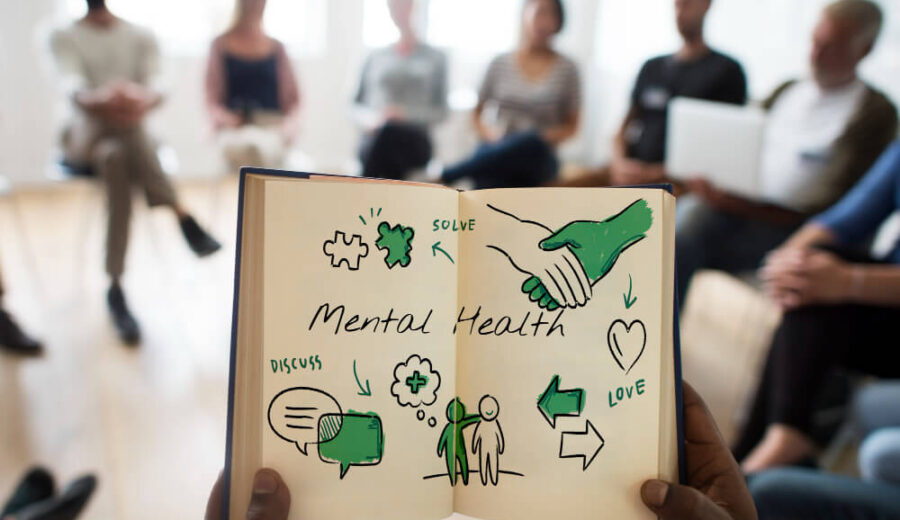

Why Are Mental Health Issues Increasing Worldwide?
Mental health problems are becoming more common across the world. Many countries are reporting rising levels of anxiety, depression, stress, and other mental health conditions. According to the World Health Organisation (WHO), more than one billion people globally are living with a mental health disorder, making it one of the biggest public health challenges today.
There is no single reason for this increase. Instead, mental health issues are growing due to a combination of social, economic, technological, and lifestyle changes. Understanding these factors can help us better support mental well-being and create healthier communities.
Greater Awareness and Diagnosis
One reason mental health issues seem to be increasing is that people are now more aware of them. In the past, many individuals struggled silently because mental health was rarely discussed openly.
Today, conversations about emotional well-being are becoming more common. Schools, workplaces, and healthcare systems are paying more attention to mental health. Because of this awareness, more people are seeking help and receiving diagnoses.
This does not always mean the problems are new. In many cases, it means people are finally recognising and reporting what they are experiencing.
The Impact of Modern Lifestyle
Modern life has changed rapidly over the past few decades. Many people live fast-paced lives filled with work pressure, financial responsibilities, and constant digital connectivity.
This constant pressure can create chronic stress. When stress continues for long periods without enough rest or emotional support, it can lead to anxiety, burnout, and depression.
Urban living, long working hours, and limited downtime can also make it harder for people to maintain a healthy balance between work, relationships, and personal well-being.
Social Isolation and Loneliness
Even though technology allows people to stay connected online, many individuals still experience loneliness. Social isolation has become more common in modern societies.
People may spend more time alone due to busy schedules, remote work, or reduced community interaction. When individuals feel disconnected from family, friends, or supportive communities, it can increase the risk of mental health challenges.
Human connection plays a major role in emotional well-being. Without it, feelings of sadness, anxiety, or hopelessness may grow over time.
The Influence of Social Media and Technology
Digital technology has transformed how people communicate and interact. While social media can help people stay connected, it can also affect mental health in several ways.
Constant exposure to curated images and lifestyles can lead to unhealthy comparisons. People may feel they are not successful, attractive, or happy enough compared to what they see online.
Additionally, spending long hours on screens can affect sleep patterns, attention span, and emotional regulation. Over time, these habits may contribute to increased stress and anxiety, especially among young people.
Economic Pressure and Uncertainty
Financial stress is another major contributor to mental health problems. Job insecurity, rising living costs, and economic instability can create ongoing worry and pressure.
When individuals struggle to meet financial responsibilities, they may experience chronic stress. This stress can affect sleep, relationships, and emotional stability.
Economic difficulties can also limit access to healthcare and support systems, making it harder for people to get the help they need.
Global Events and Crises
Major global events can have a strong impact on mental health. The COVID-19 pandemic is a clear example. Lockdowns, isolation, and uncertainty about the future caused stress and anxiety for millions of people.
Research shows that depression and anxiety increased significantly during the pandemic due to isolation, fear of illness, and economic disruption.
Other global challenges, such as climate change, conflicts, and political instability, can also increase emotional stress and uncertainty.
Limited Access to Mental Health Support
Even though awareness is improving, access to mental health care remains limited in many parts of the world. Some countries have very few trained mental health professionals.
The WHO reports that the global average is only 13 mental health workers per 100,000 people, which makes it difficult for many individuals to receive proper treatment.
In low-income countries, mental health services may be especially limited, leaving many people without the support they need.
Why Young People Are Particularly Affected
Young people today face unique challenges that can affect their mental health. Academic pressure, career uncertainty, and social media influence can create high levels of stress.
Adolescents and young adults are also navigating identity, relationships, and life transitions. These changes can sometimes make them more vulnerable to anxiety and depression.
Experts often emphasise the importance of early support and mental health education for young people to help them build resilience.
Final Thoughts
At Positive Living UAE, we recognise that the rise in mental health challenges highlights the importance of awareness, early support, and accessible care. Modern lifestyles, social pressures, and global uncertainties can impact emotional well-being, which is why professional guidance and supportive environments are essential for maintaining mental health.
If you or someone you care about is experiencing emotional or mental health difficulties, the team at Positive Living UAE is here to help. Reach out to us today to learn more about our personalised therapy services and take the first step toward better mental well-being.