
Blogs

Clinical Hypnosis vs Stage Hypnosis: Understanding the Key Differences

Hypnosis is often misunderstood due to its portrayal in movies, television, and live performances. Many people in the UAE hesitate to explore Clinical Hypnosis Therapy because they associate it with stage shows where participants appear to lose control. In reality, clinical hypnosis and stage hypnosis are fundamentally different in purpose, practice, and outcomes.

This article explains the key differences to help you make an informed decision about hypnosis as a therapeutic option.

What Is Clinical Hypnosis?

Clinical hypnosis is a recognised therapeutic technique used by trained and certified healthcare or mental health professionals. It involves guiding an individual into a relaxed, focused state of awareness—often called a trance—where the mind becomes more receptive to positive suggestions.

Purpose of Clinical Hypnosis

Clinical hypnosis is used to support:

  • Anxiety and stress management
  • Trauma and emotional healing
  • Phobias and fears
  • Sleep issues and insomnia
  • Pain management
  • Habit change (such as smoking or emotional eating)
  • Building confidence and emotional regulation

Importantly, the client remains fully aware, in control, and able to stop the session at any time.

What Is Stage Hypnosis?

Stage hypnosis is a form of entertainment designed to amuse an audience. Performers select highly suggestible volunteers and guide them to act in exaggerated or humorous ways for public entertainment.

Purpose of Stage Hypnosis

  • Entertainment only
  • Audience engagement and spectacle
  • No therapeutic intent or long-term benefit

Stage hypnosis does not aim to treat emotional, psychological, or behavioural concerns and should not be confused with therapy.

Key Differences Between Clinical Hypnosis and Stage Hypnosis

AspectClinical HypnosisStage Hypnosis
PurposeTherapeutic and healing-focusedEntertainment-focused
SettingPrivate, safe, clinical environmentPublic stage or show
PractitionerCertified therapist or clinicianEntertainer
Client ControlClient remains fully in controlVolunteers may feel pressured to perform
GoalsEmotional well-being and personal growthAudience amusement
EthicsGuided by professional and ethical standardsNo clinical or ethical framework

Common Myths About Hypnosis (Debunked)

“Hypnosis means losing control”

False. In clinical hypnosis, individuals remain conscious and aware throughout the session.

“A hypnotherapist can make you do things against your will”

False. Hypnosis cannot override personal values, beliefs, or consent.

“Clinical hypnosis is the same as stage hypnosis”

False. Clinical hypnosis is evidence-based and goal-oriented, while stage hypnosis is purely for entertainment.

Why Clinical Hypnosis Is Safe and Effective

Clinical hypnosis is supported by research and is widely used as a complementary therapy in mental health and wellness settings. When delivered by a qualified professional, it is a safe and respectful process that empowers individuals rather than controls them.

At Positive Living UAE, clinical hypnosis is used as part of a holistic, client-centred approach to support emotional well-being and personal growth.

Which One Should You Choose?

If you are seeking:

  • Emotional healing
  • Stress or anxiety relief
  • Behavioral change
  • Personal development

Then, clinical hypnosis therapy is the appropriate and ethical choice.

Stage hypnosis, while entertaining, should never be considered a therapeutic solution.

Final Thoughts

Understanding the difference between clinical hypnosis and stage hypnosis helps remove fear and misinformation. Clinical hypnosis is a respectful, evidence-informed therapy focused on helping individuals lead healthier, more balanced lives.

Parent Coaching vs Parenting Classes: Which Is Right for You?

Parenting is one of the most rewarding journeys, yet it can also be one of the most challenging—especially in today’s fast-paced world. Many parents in the UAE seek professional guidance to better support their children’s emotional, behavioural, and developmental needs. Two popular options are Parent Coaching services and Parenting Classes. But how do you know which one is right for your family?

This guide explains the key differences, benefits, and situations where each approach works best, helping you make an informed decision.

Understanding Parent Coaching Services

Parent Coaching services offer personalised, one-to-one support tailored to a family’s unique challenges and goals. Rather than following a fixed curriculum, parent coaching focuses on understanding your child, your parenting style, and your family dynamics.

Key Features of Parent Coaching

  • Individualised sessions designed around your child’s specific needs
  • Practical strategies that can be applied immediately at home
  • Ongoing guidance, reflection, and progress tracking
  • Support for emotional regulation, behaviour management, and communication

In the UAE, Parent Coaching is particularly beneficial for families navigating multicultural environments, academic pressure, emotional challenges, or behavioural concerns.

What Are Parenting Classes?

Parenting Classes are structured group programs that teach general parenting principles and techniques. These sessions typically follow a set syllabus and are delivered to multiple parents at once.

Key Features of Parenting Classes

  • Standardised parenting techniques and frameworks
  • Group learning environment with shared experiences
  • Educational focus on child development and discipline strategies
  • Short-term or workshop-based format

Parenting classes are ideal for parents who want foundational knowledge or are at the early stages of their parenting journey.

Parent Coaching vs Parenting Classes: A Side-by-Side Comparison

AspectParent Coaching Parenting Classes
ApproachPersonalised and family-specificGeneral and structured
FormatOne-to-one sessionsGroup sessions
FocusYour child, your challengesBroad parenting concepts
FlexibilityHighly adaptableFixed curriculum
Support LevelOngoing, hands-on guidance Time-limited instruction

Which Option Is Right for You?

Choose Parent Coaching If:

  • You are dealing with specific behavioural or emotional concerns
  • Your child struggles with anxiety, attention, or emotional regulation
  • You want personalised strategies tailored to your family
  • You are looking for long-term guidance and accountability

Parent Coaching UAE services are especially helpful for parents seeking targeted solutions rather than general advice.

Choose Parenting Classes If:

  • You want to learn basic parenting principles
  • You prefer group learning and shared discussions
  • You are looking for short-term education rather than ongoing support
  • You are new to parenting or preparing for a new stage

Why Many Parents in the UAE Choose Parent Coaching

Families in the UAE often face unique challenges such as cultural transitions, academic expectations, and balancing busy lifestyles. Parent Coaching services provide practical tools and emotional support that adapt to each family’s situation, making them a preferred choice for parents seeking meaningful, long-term change.

At Positive Living UAE, our parent coaching approach empowers parents to build confidence, strengthen relationships, and support their children’s emotional well-being in a calm and effective way.

Final Thoughts

Both Parent Coaching and Parenting Classes play valuable roles in supporting parents. The right choice depends on your family’s needs, goals, and the level of personalisation you are looking for. If you want tailored support and real-life solutions, Parent Coaching UAE services may be the ideal path forward.

Looking for Professional Parent Coaching in the UAE?

Positive Living UAE offers compassionate and evidence-based Parent Coaching services designed to support families through every stage of parenting.

Contact us today to learn how parent coaching can help your family thrive.

Individual Therapy vs Couples Therapy: Which One Do You Need?

Individual Therapy vs Couples Therapy: Learn the key differences, benefits, and how to choose the right therapy for your personal or relationship needs.

Confused about whether to book individual therapy or couples sessions? Both offer powerful support for Dubai’s expat couples navigating stress, cultural clashes, or family pressures. Individual therapy dives into your personal growth, while couples therapy strengthens “us” dynamics—choose based on your goals for lasting harmony.​

Core Focus: Personal vs Relational Healing

Individual therapy centers on you alone—exploring anxiety, past traumas, or self-esteem in a private space. It’s ideal for building personal tools like better boundaries or emotional resilience.

Couples therapy targets shared patterns: communication breakdowns, intimacy gaps, or recurring fights. The therapist observes interactions live, helping both voices blend without one dominating.

In the UAE’s fast-paced life, individual work clarifies your needs first, paving the way for healthier partnerships.​

Session Experience and Time Commitment

Individual sessions feel intimate: 45-60 minutes of undivided therapist attention, flexible scheduling for one person. Dive deep into family history or habits without partner input.

Couples require coordination—both attend, witnessing real-time dynamics. Therapists mediate, turning “he said/she said” into mutual understanding. Sessions run 50-90 minutes, twice monthly.

Positive Living UAE tailors to both busy schedules, often blending online options.​

Benefits Breakdown by Need

  • Individual Therapy Shines For:
    • Personal mental health, like anxiety relief or depression.
    • Self-discovery before relationship talks.
    • Privacy for sensitive topics.​
  • Couples Therapy Excels In:
    • Resolving conflicts, rebuilding trust.
    • Tools for daily fights or intimacy.
    • Early prevention—70% of couples report stronger bonds.​

Research shows combining them boosts outcomes: individual for roots, couples for branches.​

Comparison Table: Individual Therapy vs Couples Therapy

AspectIndividual Therapy ​Couples Therapy ​
Best ForPersonal growth, trauma ​Relationship dynamics ​
ParticipantsYou + therapistBoth partners + therapist
DepthDeep personal historyLive interaction insights
SpeedFlexible, self-pacedCoordinated, pattern-focused
Cost/ScheduleEasier solo booking ​Shared commitment needed
OutcomesSelf-awareness ​Mutual understanding ​

When to Combine or Switch

Start individually if your partner resists—gain clarity, then invite them. Many Dubai clients at Positive Living UAE do this: personal sessions unlock readiness for Imago couples work.

Signs for couples: repeated arguments, emotional distance. Severe individual issues? Prioritise that first.

Blends work best—address your side, then ours together.​

Choose Wisely at Positive Living UAE

Not sure? Our free consult clarifies: individual for you, couples for us, or both. Expert therapists guide Dubai families to balance.

Book today—unlock personal peace and partnership joy.

How to Convince Your Partner to Attend Couples Therapy Without Pressure

Struggling to get your partner on board with couples therapy? You’re not alone—many Dubai couples face this hurdle amid busy expat lives and cultural shifts. The key lies in gentle invitation, not persuasion, framing therapy as a shared strength-builder for your relationship.​

Why Partners Resist—and How to Understand It

Resistance often stems from fears: “It means we’re failing,” “I’ll be blamed,” or “Therapy is for broken people.” In high-stress UAE environments, vulnerability feels risky.

Acknowledge this openly. Say, “I get why this might feel scary—it’s new for me too.” Validation lowers walls faster than arguments.​

Lead with empathy: share your own nerves. This shifts from “you need fixing” to “we’re in this together”.​

Start the Conversation Right: Timing and Tone

Pick a calm moment—post-dinner walk or quiet coffee, not mid-fight. Use “I” statements to own your feelings.

  • “I’ve been feeling disconnected and miss our closeness—I think therapy could help us reconnect.”
  • Avoid blame: Skip “You never listen”; say “I want us to communicate better as a team.”

Keep it light: “What if we tried it like a relationship tune-up?” Positive Living UAE clients find this approach sparks curiosity.​

Frame Therapy as a Positive Tool, Not a Fix

Rephrase therapy as “relationship coaching” or “communication upgrade.” Highlight wins: deeper understanding, fewer fights, reignited intimacy.

Share quick facts: 70% of couples report stronger bonds after sessions. Suggest a trial: “Just three meetings—then we decide?” This eases commitment fears.​

In Dubai’s multicultural scene, emphasise neutral, expert guidance—no sides taken.​

Listen Actively to Their Concerns

When objections arise, pause and reflect: “Sounds like you’re worried it’ll feel judgmental—what if we found a therapist who focuses on tools, not faults?”

Common worries:

  • Cost/Time: “Short sessions fit our schedules—many online.”
  • Stigma: “It’s like personal training for our marriage—proactive, not reactive.”
  • Failure Sign: “Actually, couples who go early thrive longer.”

True listening builds trust, often flipping “no” to “maybe”.​

Offer Choices and Lead by Example

Empower them: “Want to pick the therapist together? Or start with a free consult?” Control reduces pressure.

Go first: Try individual sessions yourself. “It’s helping me communicate better—imagine us doing it as a couple.”

Positive Living UAE‘s Imago therapy specialises in this—safe, dialogue-focused for lasting connection.​

ApproachOutcome RiskWhy It Works/Fails
Blaming/UltimatumsHigh defensivenessFeels like an attack
Sharing FeelingsBuilds empathy ​Creates “us vs problem” vibe
Trial OfferLow commitment ​Tests waters safely
Leading by ExampleInspires buy-in ​Shows vulnerability first

Gentle methods succeed 80% more, per relationship experts.​

Real Dubai Couple Success Stories

Expats at Positive Living UAE hesitated too—until one partner shared, “This isn’t about faults; it’s about us winning together.” Post-sessions: better handling of relocation stress, family blends.

One couple: “We went for communication; left with deeper love.” Research echoes: early therapy cuts divorce risk by 50%.​

Next Steps at Positive Living UAE

Our Dubai centre offers Imago Couple Therapy—proven for reluctant partners. Compassionate therapists create blame-free zones.

Ready to invite without pressure? Book a discovery call today. Strengthen your bond, one honest talk at a time.​

Can Neurofeedback Help with Anxiety and Stress? What Research Says

Neurofeedback therapy effectively reduces anxiety and stress by training the brain to shift from overactive beta waves to calmer alpha and theta patterns. Research shows significant symptom relief, often faster than traditional methods, making it a promising holistic option for Dubai’s high-pressure lifestyles.​

How Neurofeedback Targets Anxiety and Stress

Anxiety stems from hyperarousal—excess beta waves signalling constant alertness. Neurofeedback monitors these via EEG sensors. It rewards calmer states with smooth feedback, like flowing video.

Your brain learns self-soothing naturally. Sessions quiet the amygdala’s fear response while boosting prefrontal control. No pills, just targeted training.​

Stress follows suit: chronic cortisol drops as waves balance. Clients report feeling grounded amid Dubai’s hustle.​

Key Research Findings on Effectiveness

Studies confirm neurofeedback cuts anxiety scores by 30-50% after 10-20 sessions. A 2022 review found it superior for generalized anxiety versus waitlist controls.

For PTSD-related stress, real-time fMRI neurofeedback rivals cognitive therapy in symptom reduction. ADHD-anxiety combos improve 74% with protocols like theta/beta training.​

Meta-analyses show lasting effects—no quick fade. Kids and adults alike benefit, with 80% responders in anxiety trials.​

Australian trials mirror this for work stress, relevant to UAE expats.​

Real-World Benefits and Success Stories

Users experience fewer panic attacks, better sleep, and emotional resilience. One study: 92% of anxious patients sustained gains six months post-treatment.

Busy professionals note sharper focus sans jitteriness. Teens facing exam stress thrive, blending with counselling.​

Combine with mindfulness for amplified calm—research backs synergy.​

Potential Limitations and Who Benefits Most

Not instant: 80% improved, but 20% need tweaks. Mild headaches are possible early, resolving quickly.

Best for moderate anxiety/stress; severe cases pair with therapy. Safe for ages 6+, pregnant individuals.​

Research gaps exist on long-term (5+ years), but the trends are positive.​

TreatmentEffectiveness for AnxietySpeed to ReliefSide Effects
Neurofeedback70-90% reduction10-20 sessionsMinimal
CBT50-70%12+ weeksEmotional fatigue
Medication60% initialDays-weeksDependency, nausea
Mindfulness40-60%MonthsNone

Neurofeedback stands out for non-drug, sustainable calm.​

Why Positive Living UAE for Anxiety Relief in Dubai

Our certified neurofeedback therapy uses evidence-based protocols in a nurturing space. Tailored for UAE stress—work, family, expat transitions.

Pair with teen counselling or couple sessions for full support. Research-driven, client-focused.

Ready to ease anxiety naturally? Book at Positive Living UAE today

How Neurofeedback Compares to Traditional Therapy

Neurofeedback therapy trains your brain directly through real-time feedback, differing from traditional talk therapy’s focus on verbal exploration of emotions and behaviours. Both approaches support mental wellness in Dubai’s demanding lifestyle, but they target change differently—neurofeedback at the neurological level, therapy through insight and coping skills.​

Core Differences in Approach

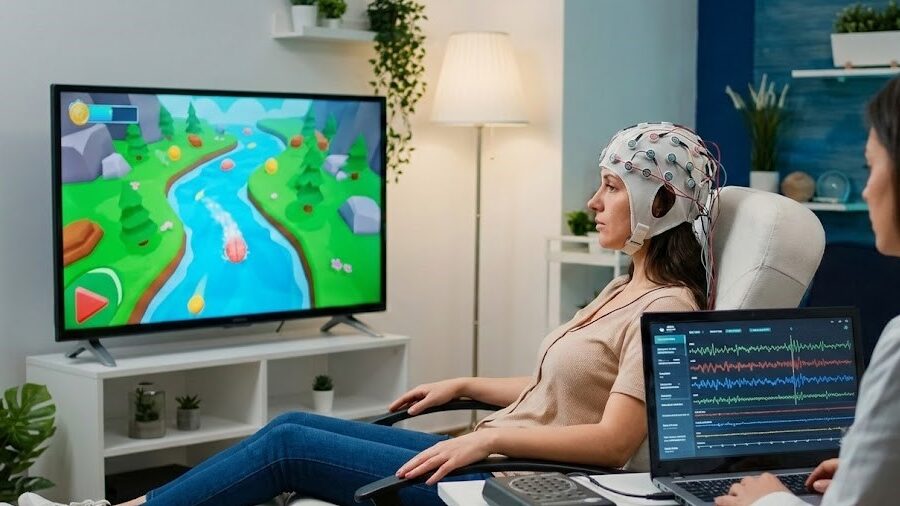
Neurofeedback uses EEG sensors to track real-time brainwave activity and gives instant feedback through visuals or sounds—almost like a game that rewards calmer or more regulated states. The brain learns through this feedback loop passively.

Although the training itself doesn’t require talking, there is conversation during consultations to understand the client’s symptoms and ongoing progress, and practitioners stay in consistent communication with clients to update protocols as needed.

Traditional talk therapy, such as CBT, relies on verbal discussions about thoughts, behaviours, and past experiences. It actively builds emotional insight and coping strategies. Talk therapy requires ongoing dialogue throughout the process, which helps deepen understanding and strengthens the therapeutic relationship.

Neurofeedback can be especially helpful for clients who find verbal expression difficult—such as teenagers, neurodivergent clients, or trauma survivors—while talk therapy is often more effective for relational challenges like grief, interpersonal conflict, or exploring meaning and emotions.

Speed and Session Experience

Most people begin noticing shifts from neurofeedback somewhere between 5–20 sessions. Because it works directly with brain patterns, the physiological changes can appear earlier, though the exact timeline varies for each individual. Many report improvements by around session 10. The sessions themselves tend to feel calm and restorative: you simply sit, watch a screen, and let your brain adjust over 30 minutes.

For optimal and lasting results, neurofeedback is most effective when completed 2–3 times per week, as consistent repetition helps the brain consolidate new neural patterns.

Talk therapy often requires weeks or months for insights and behavioural changes to solidify. Sessions involve active conversation, reflection, and emotional processing—which can feel draining at times but is valuable for deeper personal growth.

For busy professionals in Dubai, neurofeedback offers a non-verbal, time-efficient option that can fit naturally alongside demanding work schedules.

Long-Term Results and Sustainability

Neurofeedback creates lasting brain rewiring, reducing relapse without ongoing sessions. Effects hold for anxiety, focus, and sleep once patterns stabilise.

Talk therapy equips lifelong strategies, though medication-dependent cases may need continuous use. Combining both yields the best outcomes—neurofeedback for brain balance, therapy for emotional processing.​

Side Effects and Accessibility

Neurofeedback stays non-invasive with rare mild fatigue, no drugs involved. It is measurable through brain maps and structured symptom tracking, allowing progress to be monitored objectively.

Traditional therapy risks emotional intensity but remains widely available and affordable. Medications carry side effects like dependency.

Both are safe for most; consult for seizures or pacemakers with neurofeedback.​

AspectNeurofeedbackTraditional Therapy
FocusBrainwave regulationEmotional/behavioural insights
Session StylePassive, tech-basedVerbal discussion
Time to Results10-40 sessions, quicker neuro changesWeeks/months
Best ForADHD, anxiety, sleepTrauma, relationships ​
SustainabilityLong-lasting rewiringLifelong tools, possible meds
Side EffectsMinimalEmotional processing ​

When to Choose Each—or Both

Pick neurofeedback for neurological tweaks like ADHD focus or insomnia relief. Opt for talk therapy on relational hurdles.

Many thrive by combining them: neurofeedback optimises brain function, therapy processes feelings. Ideal for Dubai families tackling teen stress or couple dynamics.​

Why Positive Living UAE Excels in Both

At Positive Living UAE, certified therapists offer neurofeedback therapy alongside counselling and Imago couple work. Our holistic Dubai centre tailors blends for anxiety, teen issues, or peak performance.

Experience science-backed calm without words alone. Book a consult today—discover what fits your journey.​

What is Neurofeedback Therapy? — A Complete Beginner’s Guide

Learn what Neurofeedback Therapy is, how it works, and its benefits in this complete beginner’s guide. Understand brain training, session steps, and who can benefit.

Neurofeedback therapy offers a gentle way to train your brain for better focus, calm, and emotional balance. This non-invasive method uses real-time brainwave feedback to help you self-regulate without drugs or surgery. If stress, poor sleep, or scattered thoughts disrupt your Dubai life, neurofeedback could be the holistic tool you need.​

How Does Neurofeedback Therapy Actually Work?

At its core, neurofeedback relies on EEG technology—electroencephalography—to monitor brainwaves. Small sensors sit comfortably on your scalp. They pick up electrical signals from your brain’s activity.

A computer processes this data instantly. It turns your brainwaves into visual or auditory feedback. Think of a video game where calm waves make the screen flow smoothly. Tense waves pause it. Your brain notices and adjusts naturally.

This taps into neuroplasticity—your brain’s ability to rewire itself. Over time, it learns optimal patterns for focus or relaxation. Sessions build like exercise: consistent practice strengthens the skill.​

No conscious effort needed. You simply watch or listen. The brain does the rest, rewarding itself for positive shifts.

What to Expect in a Neurofeedback Session – Step-by-Step

Expect around 30 minutes in a calm, private clinic room. You’ll settle into a comfortable chair while our therapist at Positive Living UAE explains the process and answers any questions.

Small EEG sensors are gently applied using conductive gel—completely painless. You then select engaging content such as a movie, a simple game, or calming visuals. As your brainwaves move toward more regulated patterns, the system provides feedback—brighter images, smoother audio, or clearer visuals—to reinforce those healthier states.

We track progress continuously through

  • structured symptom tracking,
  • Ongoing communication about how you’re feeling between sessions, and
  • QEEG brain scans are performed approximately every 10 sessions to provide objective before-and-after insights.

Many clients notice early subtle shifts, such as clearer thinking or improved emotional regulation. Full benefits typically appear over 10–40 sessions, depending on your goals and how your brain responds.

Regular spacing between sessions helps changes consolidate, and most people find that attending 2–3 times per week fits comfortably into their routine.

Key Neurofeedback Benefits Backed by Real Results

Neurofeedback shines for anxiety relief in high-pressure Dubai life. It quiets overactive beta waves linked to worry.

For ADHD focus, it boosts theta-to-beta ratios, sharpening attention without stimulants. Parents love it for teens facing school stress.​

Sleep troubles? It balances alpha waves for deeper rest, easing insomnia naturally. Trauma recovery benefits too—reducing PTSD hyperarousal.​

Athletes and executives use it for peak performance. Studies show lasting mood lifts, better emotional control, and resilience. Unlike meds, effects build over time—no side effects.​

In Dubai’s fast pace, this therapy supports holistic wellness alongside counselling or mindfulness.

Common Conditions Improved by Neurofeedback Treatment

  • Stress and Anxiety: Lowers fight-or-flight responses for daily calm.
  • ADHD and Focus Issues: Enhances concentration, ideal for students or professionals.
  • Sleep Disorders: Promotes restorative patterns, waking you refreshed.
  • Depression and Mood Swings: Stabilises waves for a brighter outlook.
  • Trauma and PTSD: Gently rewires fear circuits.​

Results vary, but 80% report improvements. Combine with Positive Living’s teen counselling or couple therapy for deeper healing.​

Is Neurofeedback Therapy Safe?

Yes—it’s FDA-cleared as safe for all ages. No risks like medication dependency. Mild fatigue might occur initially, like after a workout.

Not for everyone: those with pacemakers or seizures consult first. Our experts assess via free consultations.

Science grows: reviews confirm efficacy for ADHD, anxiety, and even migraines.​

Why Positive Living UAE for Neurofeedback in Dubai?

Established pros deliver personalised neurofeedback therapy with cutting-edge gear. We blend it into holistic plans—think neurofeedback plus Imago couple work or teen support.

Our Dubai centre feels welcoming, not clinical. Clients rave about life changes: better sleep, sharper focus, stronger relationships.

Ready to unlock your brain’s potential? Book your beginner session at Positive Living UAE today. Start simple, thrive big.

Bullying, Body Image and Burnout: How Counsellors Help Teens Heal and Grow

Life for teenagers in Dubai moves fast. Between juggling studies, social media, and cultural crossroads, many young people face invisible struggles, bullying that cuts deep, body image worries shaped by endless scrolling, and burnout that leaves them feeling numb. Around the world, one in three teens experiences bullying, and nearly half say social media hurts their mental health. In the UAE, it’s no different: 47% of students report being bullied, and 81% feel overwhelmed by pressure. These challenges often spiral into anxiety, isolation, and self-doubt. But help exists. Adolescent therapy and youth mental health counselling in Dubai are giving teens the tools to heal, rebuild confidence, and find balance again.

Bullying, Body Image, and Burnout in Teens

Adolescence is a crucible of growth, yet in today’s hyperconnected world, teens in the UAE and beyond grapple with amplified pressures that distort self-perception and drain resilience. From classroom taunts to filtered feeds and relentless study schedules, these issues interconnect, fostering a silent crisis where 70% of UAE teens cite academic stress as a primary stressor. Understanding their depth reveals why proactive counselling for teens is not optional but essential for breaking the cycle and nurturing lasting well-being.

Bullying

Bullying chips away at a teen’s sense of self. In the UAE, nearly half of private school students have faced it in the past year, and most of it happens through words or exclusion. Parents report even higher numbers, saying their kids have been targeted. In a city where schools mix dozens of cultures, misunderstandings can quickly turn harmful. The result? Anxiety, poor grades, and loneliness. Teenage mental health support helps reverse this by rebuilding self-worth and teaching assertiveness, helping teens separate their identity from what others say.

Body Image Battles

Social media paints an impossible picture of “perfect.” Studies show 40% of teens feel worse about their looks after being online, and in the UAE, where screen time averages 2.5 hours a day, that impact runs deep. By elementary school, half of the girls already feel unhappy with their bodies, and one in four boys thinks he’s “too thin.” Over time, this pressure feeds low confidence or disordered eating. Teen counselling UAE helps reframe these thoughts using compassion-based techniques, guiding young people to appreciate their bodies for what they can do, not just how they look.

Burnout

Teens here often juggle demanding academics, sports, and social expectations. Globally, 81% report feeling constant pressure, and a lot of UAE students tie stress directly to school. Burnout shows up as fatigue, irritability, and disinterest, signs that often go unnoticed. Left untreated, it triples the risk of anxiety. Counsellors teach balance, mindfulness, and realistic goal-setting so teens can push forward without losing joy.

How Therapy Helps Teens Rebuild

Teen counselling is about equipping young people with coping tools that last a lifetime. Studies show 70–80% of teens in therapy report improvements in mood, focus, and self-esteem. In Dubai’s diverse community, therapists combine evidence-based care with cultural understanding, creating a safe space where teens can open up and feel heard.

Healing from Bullying: Reclaiming Confidence

Therapists often use different methods to help bullied teens rewrite internalised guilt and fear. Studies show this can cut anxiety by half. Trauma-informed methods teach emotional regulation and boundary-setting, helping teens trust again and reconnect socially. For many, that’s the first real step toward empowerment.

Rebuilding Body Image: Learning to Like the Person in the Mirror

For body image struggles, therapists use approaches like Acceptance and Commitment Therapy (ACT), which encourages self-acceptance and mindful detachment from unrealistic standards. Group sessions and creative outlets like art can boost self-esteem by up to 40%. Over time, teens begin to see themselves as strong and capable, not just “not enough.”

Beating Burnout: Finding Purpose Again

Therapists combine mindfulness and time-management coaching to help teens recover from burnout. Research shows stress can drop by 50% with consistent sessions. Counselling teaches that rest is not weakness but a form of growth, often involving families to build lasting support systems. By integrating family dynamics, therapy builds support networks, enhancing engagement and sleep, and building consistency where teenage mental health support helps turn these into an opportunity for further growth. 

Teen Counselling at Positive Living UAE

At Positive Living UAE, therapy for teens aged 13–18 focuses on real-life challenges like bullying, social pressure, and academic stress. Using gentle tools like RTT Hypnosis and NLP, and under the guidance of certified therapists, we help young clients rebuild confidence and emotional strength without medication. Sessions also involve parents, ensuring support continues at home. Teens leave with stronger resilience, better communication, and a clearer sense of who they are.
In a city that celebrates success, it’s easy for teens to forget that their worth isn’t tied to grades, looks, or popularity. But healing is possible, with the right guidance. Teen counselling i in Dubai offers a safe space to turn pain into strength, helping young minds rediscover confidence, clarity, and calm. Because every teen deserves to grow and not just survive.

How to Choose the Best Hypnotherapist in Dubai for Your Mental Wellness Journey

Dubai runs on energy, skyscrapers that stretch into the clouds, careers that move fast, and a lifestyle that never seems to slow down. But for many, that same drive comes with the cost of their peace of mind. Around 15% of people in the GCC, including plenty in the UAE, face mental health struggles each year. As the country’s mental health market reaches about US$149 million in 2025, new approaches like hypnotherapy are stepping up to help people regain balance in the middle of the rush. Whether you are managing anxiety or simply trying to grow into your best self, finding the right hypnotherapist in Dubai can make all the difference.

Understanding Hypnotherapy’s Place in Dubai’s Wellness Scene

In a city filled with ambition and cultural diversity, stress often creeps in unnoticed. Hypnotherapy offers a gentle way to reach the subconscious mind, addressing the root of emotional blocks instead of just treating the surface. Globally, this field is booming, expected to grow from USD 15.68 billion in 2024 to over USD 131 billion by 2032. The UAE is following suit, with alternative and holistic medicine growing by more than 25% annually. It’s no surprise people are turning to something that blends science, relaxation, and self-awareness, without relying on medication.

How Hypnotherapy Helps with Anxiety and Stress

For many professionals in Dubai, anxiety has become a quiet companion. Hypnotherapy Dubai helps by retraining thought patterns deep in the mind. A study showed that it can reduce anxiety symptoms by up to 50%, and local clinic clients feel more emotionally balanced after a few sessions. Most people notice better sleep, calmer thoughts, and sharper focus after 4–10 visits. The guided imagery and relaxation techniques often work as well as mindfulness, giving busy expats tools to reset in a hectic city.

Healing Depression and Self-Doubt

Hypnotherapy Dubai also shows promise for lifting depression and rebuilding self-esteem. Research suggests 60–70% of people experience mood improvements when hypnotherapy is combined with cognitive tools. In the UAE, where depression rates range from 12–28%, this approach offers hope for those feeling disconnected or lonely. Sessions usually last 45–60 minutes and focus on positive visualization, helping clients strengthen confidence and emotional intelligence for everyday relationships.

Why It Fits Dubai’s Lifestyle

Dubai’s wellness ecosystem, bolstered by initiatives like the Mental Wealth plan, integrates hypnotherapy into holistic care, appealing to a diverse populace where one in eight globally, and proportionally in the UAE, navigates mental disorders. As stigma wanes, with 70% of UAE millennials prioritising mental health in 2025 surveys, Hypnotherapist UAE services bridge cultural gaps, offering bilingual, flexible options for seamless integration into busy lives.

Essential Qualities of the Best Hypnotherapist in Dubai

Choosing the best hypnotherapist in Dubai boils down to attributes that combine expertise with empathy, ensuring a safe space for vulnerability. In a field where rapport drives outcomes, prioritise practitioners who demonstrate professionalism amid varied client needs. These traits not only enhance session efficacy but also align with your unique wellness goals.

Credentials and Ongoing Education

Seek certifications from bodies like the National Guild of Hypnotists or International Practitioners of Holistic Medicine, verifying ethical standards and advanced training in clinical hypnosis. In the UAE, where regulations emphasize continuous professional development, top hypnotherapists in Dubai commit to annual updates, incorporating 2025 advancements like integrated RTT for rapid transformations, essential for evidence-based results without outdated methods.

Specialisation and Proven Track Record

Experience matters, so aim for someone with 5-10 years of handling issues like anxiety or phobias, with specialisation in your concern, such as regression for trauma or suggestion therapy for habits. Review client testimonials and request success metrics, like resolution rates in similar cases, to gauge real-world impact in a multicultural context.

Empathy, Rapport, and Cultural Sensitivity

The hallmark of excellence is a therapist who listens actively, fostering trust through non-judgmental empathy. Look for those offering free consultations to assess comfort, as a strong therapeutic alliance boosts hypnosis depth by 50%, per studies, ensuring sessions feel collaborative rather than directive.

Steps and Questions for Your Selection Process

Smart Questions to Ask Before You Commit

Before starting, ask:

  • What certifications do you hold, and how do you keep them current?
  • How many sessions do clients usually need for my concern?
  • How do you adapt therapy for different cultural backgrounds?

Real professionals will give clear, realistic answers depending on the issue. Be wary of anyone promising instant results or demanding full payment up front

Red Flags and Practical Considerations

Beware of guarantees, because hypnotherapy isn’t one-size-fits-all, or those lacking insurance and references, as ethical codes mandate transparency. In Dubai, favour established clinics over home setups for security, and clarify policies on cancellations and online options, given the city’s traffic. Budget for packages, but avoid upfront full payments without trial sessions, prioritising value over low fees that may indicate inexperience.

Hypnotherapy at Positive Living UAE

Positive Living UAE exemplifies thoughtful hypnotherapy integration, offering clinical hypnosis certified by the National Guild of Hypnotists and IPHM to address anxiety, depression, and self-doubt through subconscious breakthroughs. Our approach, including RTT for rapid belief shifts, supports Dubai residents in cultivating emotional intelligence and relational harmony, all within a holistic framework that complements your mental wellness journey.

As Dubai’s focus on wellness grows stronger, choosing the best hypnotherapist in Dubai becomes less about fixing problems and more about discovering your true potential. With the right guidance, hypnotherapy can turn mental strain into self-awareness and empowerment. Your mind already holds the answers; you just need someone to help you unlock them.

The Future of Mental Wellness in Dubai: Why Neurofeedback Is Gaining Ground

Dubai’s skyline doesn’t just show off bold architecture; it mirrors the people who live here, balancing intense jobs and big dreams in a city that never slows down. As mental wellness becomes more of a priority, new solutions are taking shape. With the UAE’s well-being index climbing to 70% in 2025 and the mental health market hitting USD 13.1 billion, it’s clear that people are ready for modern approaches. One of the most promising? Neurofeedback therapy, a gentle, tech-driven way to train your brain without medication. It’s becoming a quiet revolution in how Dubai approaches mental care.

The Changing Mental Health Scene in Dubai

Dubai’s mental health awareness is moving fast, backed by strong government plans like the AED 105 million Mental Wealth initiative. The local market is expected to grow nearly 9% every year until 2033. But behind the numbers are real people; about one in five adults here struggles with anxiety, stress, or low mood. As more conversations open up and stigma fades, neurofeedback treatment in Dubai is stepping forward as a real, practical option for healing.

Awareness, Investment, and Hope

The UAE isn’t standing still. The Ministry of Health recently introduced a national program that brings mental health care into primary clinics by 2025. With anxiety and depression ranking among the top causes of poor health, it’s no surprise that residents are finally prioritising their minds. A growing sense of openness has fueled a 70% jump in national well-being from 2024 to 2025. That shift makes neurofeedback therapy in the UAE an ideal companion for those who want to manage stress naturally in a high-performance environment.

Why Traditional Methods Don’t Always Cut It

Medication and talk therapy help many, but not everyone. Studies show that many people don’t get full relief, or they face side effects like fatigue or dependency. For Dubai’s largely expat population, those barriers can feel even bigger due to cultural differences or frequent relocations. Neurofeedback offers something different: a non-invasive way to target the source of imbalance rather than just the symptoms.

Neurofeedback in Simple Terms

Think of neurofeedback as fitness training for your brain. Using EEG sensors, therapists watch how your brainwaves behave and gently guide them toward balance using visual or audio feedback. Over 10 to 20 sessions, your brain learns to self-correct, building healthier patterns through neuroplasticity. It’s painless, medication-free, and backed by studies showing real, measurable improvements in mood and focus.

What It Helps With

Research keeps confirming its benefits. A 2024 study showed neurofeedback for anxiety cut symptoms nearly in half, while a 2025 review found major boosts in emotional stability for people facing depression. Unlike quick fixes, it teaches your brain to manage itself, ideal for Dubai residents under constant pressure to perform and stay composed.

Why Dubai Is the Perfect Fit

This city thrives on innovation, and neurofeedback fits right in. With its data-driven precision and short, 30–45-minute sessions, it aligns perfectly with Dubai’s lifestyle. Many clinics now offer it for anxiety, ADHD, PTSD, and sleep issues, seeing retention rates as high as 70%. Whether you are an overworked executive or a parent juggling it all, neurofeedback makes a mental reset both convenient and effective.

Inside Positive Living UAE’s Approach

At Positive Living UAE, our certified therapists bring neurofeedback to life in a welcoming, science-backed setting. Using FDA-approved technology, sessions begin with a QEEG brain map that identifies your unique patterns. Then, through interactive feedback, clients learn to retrain their minds for calm, focus, and better emotional balance. With 10–20 sessions, many report real relief from anxiety, depression, ADHD, and more, all without medication or side effects.

Looking Ahead

As Dubai continues to redefine well-being, neurofeedback stands out as more than just another therapy. It’s a mindset shift, a move toward understanding and mastering our own brains. The future of mental wellness here is all about thriving. So whether you are battling anxiety, burnout, or the weight of constant pressure, Neurofeedback Therapy in the UAE invites you to take charge and see what a clearer, calmer tomorrow can feel like.