Missing deadlines you cared about, zoning out mid-conversation, starting five tasks and finishing none – adult ADHD rarely looks like a simple attention problem. For many people, it feels more like a constant tug-of-war between intention and follow-through. That is why neurofeedback for ADHD adults has drawn growing interest. It offers a non-invasive, medication-free way to train the brain toward better focus, steadier emotional control, and more reliable daily performance.
If you are an adult living with ADHD, you may already know the frustrating pattern. You can be bright, capable, and deeply motivated, yet still struggle with mental drift, impulsive decisions, poor organization, or emotional overwhelm. Traditional care can help, and for some people medication is life-changing. But others want another option, or a complementary one. Neurofeedback sits in that space.
What neurofeedback for ADHD adults actually is
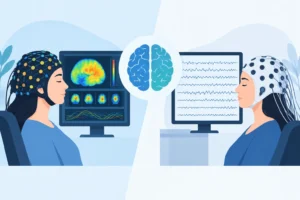
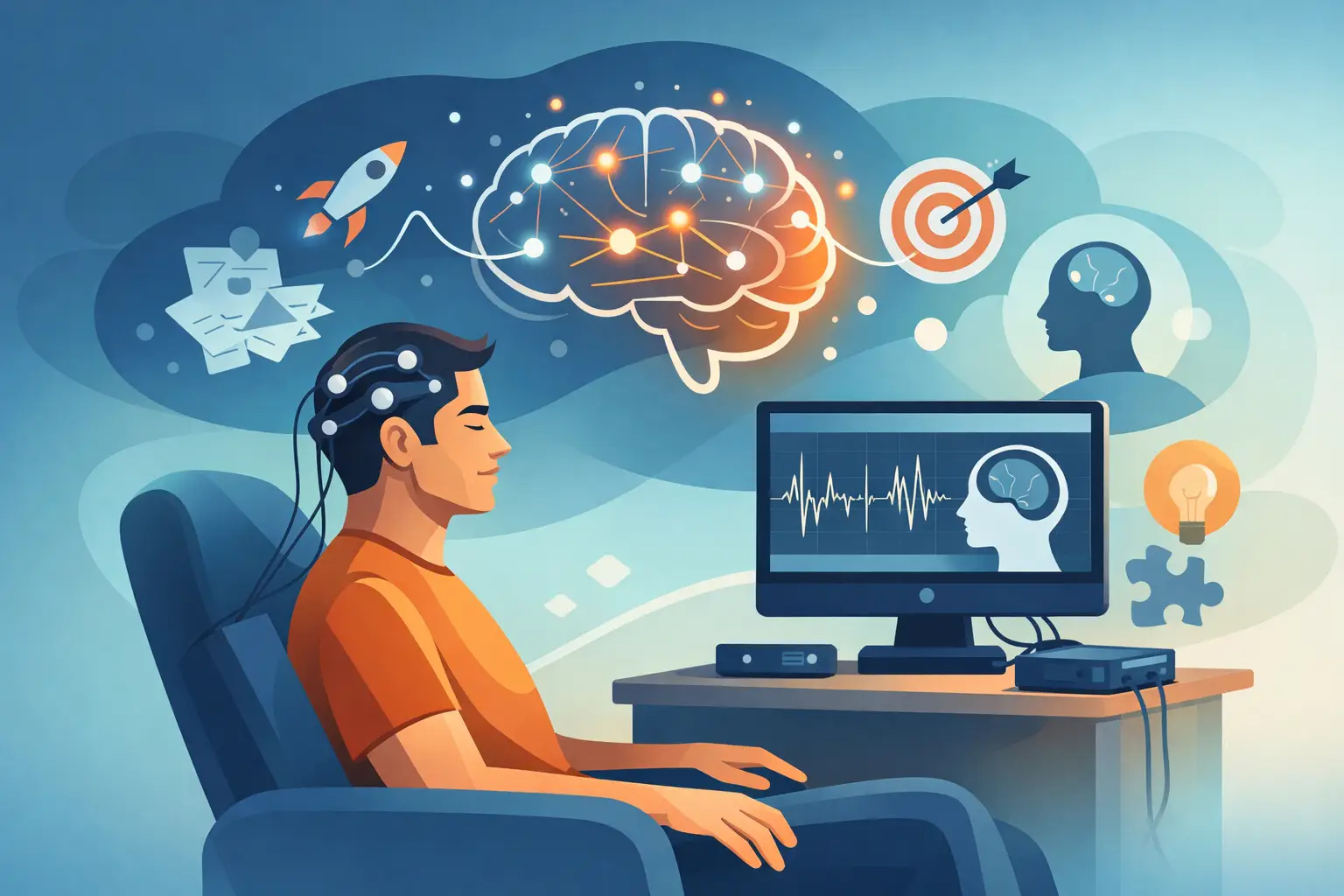
Neurofeedback is often described as a gym for your brain, and that comparison works because the process is based on training, repetition, and feedback. During sessions, sensors are placed on the scalp to read brainwave activity. The system monitors how the brain is functioning in real time and feeds that information back through visual or auditory cues.
Your brain is not being shocked or forced to do anything. It is simply receiving information about its own patterns and learning to shift toward healthier regulation. Over time, that can support improvements in attention, mental stamina, emotional balance, and cognitive flexibility.
For adults with ADHD, the goal is not to create a perfectly still mind. It is to help the brain become less chaotic, less inefficient, and better able to switch into the right state for the task at hand. That matters because many adults with ADHD do not struggle equally in every situation. They may hyperfocus on one activity and feel unable to engage with another. Neurofeedback aims to improve regulation, not suppress personality.
Why adult ADHD can be harder than it looks
ADHD in adulthood is often misunderstood because many people have learned to compensate. They may have careers, families, and responsibilities, yet still feel privately exhausted by the effort it takes to keep everything together. What looks like underperformance from the outside may actually be overexertion on the inside.
This is one reason a personalized approach matters. Adult ADHD can overlap with anxiety, burnout, sleep disruption, low mood, and chronic stress. In some cases, those issues develop because untreated ADHD makes life more demanding. In other cases, they coexist and intensify each other. A person may seek help for focus, only to discover that emotional reactivity or poor sleep is playing a major role.
That is where a more clinical neurofeedback process becomes valuable. Rather than guessing, providers can use EEG-based assessments and, in many cases, QEEG brain mapping to understand how your brain is functioning before training begins. This gives treatment a clearer starting point.
How QEEG can shape the plan
A QEEG, or quantitative electroencephalogram, is a detailed brain map that measures electrical activity and compares patterns across different brain regions. It does not diagnose ADHD on its own, but it can reveal dysregulation patterns that help guide training.
For adults, that level of personalization matters. Two people may both carry an ADHD diagnosis while presenting very differently. One may be restless, impulsive, and emotionally reactive. Another may be mentally foggy, sluggish, and chronically distracted. A personalized protocol helps avoid a one-size-fits-all model that overlooks those differences.
What results can adults realistically expect?
Neurofeedback is not magic, and it is not an overnight fix. Most adults notice change gradually. The first shifts may be subtle – feeling calmer during a workday, recovering faster after frustration, or staying with a task a little longer than usual. Over time, those small changes can add up to meaningful gains.
Many adults pursue neurofeedback because they want help with concentration, task completion, procrastination, disorganization, and impulsivity. Others are equally concerned about the emotional side of ADHD, including irritability, low frustration tolerance, and the mental fatigue that comes from constantly trying to compensate. Neurofeedback may support both sets of challenges because self-regulation sits underneath them.
That said, outcomes depend on several factors. The quality of the assessment matters. The experience of the practitioner matters. Consistency matters. And the presence of other concerns, such as sleep problems, anxiety, trauma, or high stress, can affect the pace of change. A credible provider should be honest about that.
Neurofeedback for ADHD adults vs medication
This is not an either-or conversation for everyone. Some adults choose neurofeedback because they do not want medication. Others cannot tolerate side effects. Others still use both approaches together under professional guidance.
Medication often works faster. It can reduce symptoms quickly and help adults function better in the short term. Neurofeedback usually takes more time, but many people are drawn to it because it is training-based rather than symptom-masking. The aim is to help the brain build better patterns of regulation over time.
For some adults, medication creates enough stability to make deeper training easier. For others, neurofeedback offers a path that feels more aligned with their preference for non-drug support. The right choice depends on your goals, health history, symptom severity, and how your nervous system responds.
What a good neurofeedback program should include
Not all neurofeedback is delivered with the same level of care. If you are considering treatment, look beyond the promise of better focus and ask how the process is built.
A strong program should begin with a thorough intake and clinical review. It should assess symptoms, lifestyle factors, sleep, stress, and coexisting concerns rather than treating attention in isolation. If QEEG brain mapping is used, it should inform the protocol in a practical way instead of serving as a fancy add-on.
Sessions should be structured, monitored, and adjusted based on your response. Progress should not be judged by guesswork alone. Symptom tracking, regular check-ins, and follow-up evaluations help show whether the training is moving in the right direction.
This is especially important for adults, who often have complex patterns shaped by years of stress, coping strategies, and missed diagnoses. In a setting like Positive Living UAE, neurofeedback can also sit within a broader care model that includes counseling, coaching, or hypnotherapy when emotional and behavioral patterns need support alongside brain training.
Signs of quality and safety
Neurofeedback should feel professional, measured, and individualized. The technology should be FDA-approved where applicable, the practitioners should be properly trained, and the clinic should be able to explain the rationale behind your protocol in plain language.
A trustworthy provider will also avoid overpromising. Neurofeedback can be powerful, but ethical care means talking honestly about timelines, variability, and the fact that some adults respond faster than others.
Common concerns adults have before starting
A lot of adults hesitate because they are tired of trying things that sound promising but do not lead to lasting change. That skepticism is understandable.
One common question is whether neurofeedback is uncomfortable. It is not. The process is non-invasive, and the sensors only read activity. There is no electrical stimulation being sent into the brain.
Another question is how many sessions are needed. There is no universal number. Some adults begin to notice changes within a relatively short period, while others need a longer course to build stable results. The more individualized the plan, the more realistic the expectations can be.
Adults also ask whether neurofeedback can help if they have anxiety along with ADHD. Often, that overlap is exactly why a broader assessment is useful. If the nervous system is stuck in a pattern of overactivation, both focus and emotional control can suffer. Neurofeedback may support calmer regulation, which can improve attention indirectly as well as directly.
Is neurofeedback worth it for adult ADHD?
For the right person, it can be. Neurofeedback tends to make the most sense for adults who want a drug-free option, those looking for support alongside medication or therapy, and those who suspect their ADHD is tied to wider issues in self-regulation, stress response, and cognitive performance.
It may be less appealing if you want immediate symptom relief with minimal time commitment. Neurofeedback asks for consistency. It works best when approached as a training process rather than a quick fix.
Still, many adults find that this is precisely its strength. ADHD can affect far more than attention. It can shape confidence, relationships, work performance, and how safe you feel in your own mind. A treatment approach that aims to improve the brain’s regulatory capacity, rather than only chase surface symptoms, can feel deeply different.
If you have spent years blaming yourself for inconsistency, distraction, or emotional intensity, it may help to reframe the problem. You are not lazy, careless, or lacking willpower. Your brain may simply need more precise support. Sometimes the most meaningful progress starts there – not with harsher self-discipline, but with better training.