Anxiety rarely stays in one lane. It can show up as racing thoughts at 2 a.m., a tight chest before a meeting, irritability with your family, or the kind of mental fatigue that makes simple decisions feel heavy. That is why brain training for anxiety relief has gained so much attention – it addresses the patterns behind the symptoms, not just the symptoms themselves.
What brain training for anxiety relief actually means
When people hear the phrase brain training, they often think of memory games or concentration apps. Those may be useful for certain skills, but they are not the same as clinical brain-based training for anxiety. In a therapeutic setting, brain training usually refers to methods that help the brain regulate itself more efficiently.
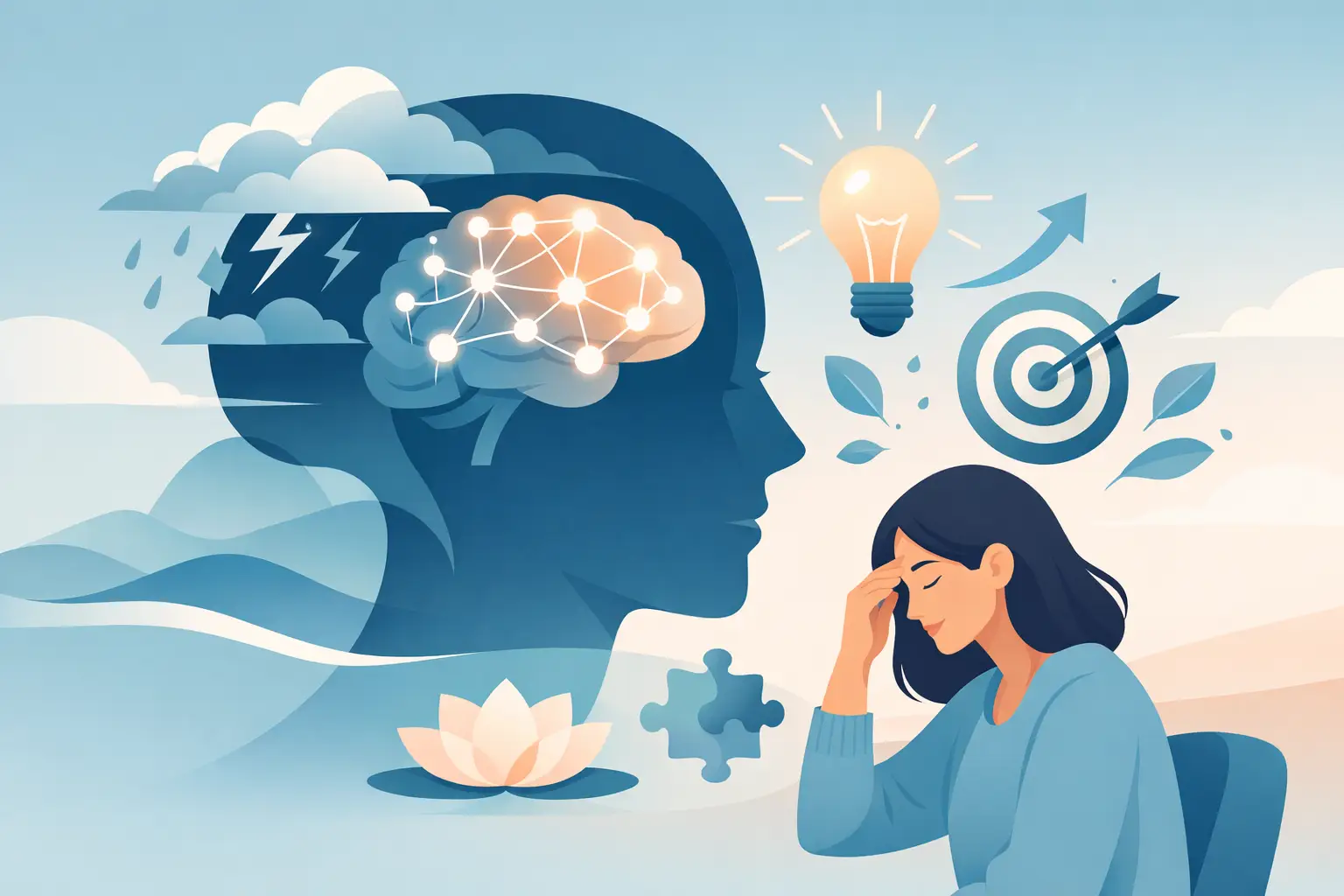
With anxiety, the brain and nervous system can become stuck in over-alert mode. You may feel constantly on guard, easily overwhelmed, or unable to fully relax even when nothing is obviously wrong. The goal of brain training is not to force calm or suppress emotion. It is to help the brain shift out of unhelpful patterns and build better regulation over time.
One of the most established approaches is neurofeedback. A simple way to understand it is this: neurofeedback acts like a gym for your brain. It gives the brain real-time information about its own activity, so it can learn to move toward healthier patterns. That learning is gradual, personalized, and non-invasive.
Why anxiety is not just a mindset problem
People with anxiety are often told to think positively, breathe deeply, or just stop overthinking. Those tools can help, but they do not always reach the underlying issue. Anxiety is not simply a lack of willpower. It often involves dysregulation in the brain and nervous system.
For some people, the brain is running too fast, especially in networks linked to vigilance and threat detection. For others, sleep disruption, burnout, past stress, hormonal shifts, or attention difficulties are part of the picture. That is why two people can both say, “I feel anxious,” while needing very different forms of support.
This is also where personalized assessment matters. A person with high-functioning anxiety may appear productive on the outside while feeling wired and exhausted on the inside. A child may show anxiety through avoidance, stomachaches, or trouble focusing. An older adult may describe poor sleep and mental tension more than worry itself. Good care does not assume all anxiety looks the same.
How neurofeedback fits into anxiety care
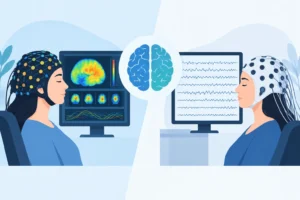
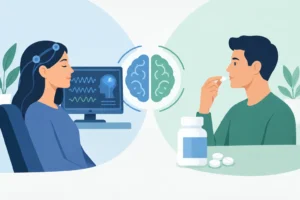
Neurofeedback uses EEG sensors placed on the scalp to read brainwave activity. It does not put anything into the brain and it does not use medication. The system monitors patterns and provides feedback, often through sounds or visual cues, when the brain moves toward a target state.
Over repeated sessions, the brain begins to recognize and reinforce more balanced activity. This is why neurofeedback is often described as training rather than treatment in the traditional sense. The brain is learning, much like it learns through repetition in physical exercise or skill practice.
For anxiety, that can mean improvements in emotional regulation, stress tolerance, mental clarity, sleep quality, and the ability to recover more quickly after triggers. Some people notice they still experience stress, but it no longer hijacks the whole day. That distinction matters. The aim is not to become emotionless. It is to become more resilient.
The role of brain mapping
A more advanced approach often begins with QEEG brain mapping. This assessment looks at brainwave patterns and compares them with age-based norms, helping identify areas that may be overactive, underactive, or poorly coordinated.
That matters because anxiety can overlap with other concerns, including ADHD, sleep problems, trauma responses, migraines, and burnout. If someone is only treated for anxiety when the deeper issue is broader dysregulation, results may be limited. Brain mapping helps guide a more individualized training plan rather than a one-size-fits-all protocol.
What brain training for anxiety relief can help improve
The benefits are often broader than people expect. Anxiety does not only affect feelings. It can interfere with attention, sleep, patience, digestion, confidence, and decision-making. When the brain becomes more regulated, daily life often feels less effortful.
Many clients pursue brain training because they want relief from constant nervous system activation. They may also hope to sleep more deeply, focus more consistently, and feel more present with family or at work. Parents may seek support for a child who seems anxious, reactive, or unable to settle. Professionals may want to reduce the mental noise that affects performance under pressure.
That said, results are not identical for everyone. Some people notice early changes in sleep or calmness. Others first notice improved focus, stamina, or fewer emotional spikes. Progress can be subtle at first, then more obvious over time.
What to expect from the process
A quality neurofeedback program should feel structured, not vague. It typically starts with an intake process to understand symptoms, history, goals, and contributing factors. If QEEG mapping is used, that adds another layer of precision by showing how the brain is functioning before training begins.
From there, sessions are tailored to the individual. During training, clients usually sit comfortably and watch or listen to feedback generated by the system. The process is gentle and does not require them to consciously control their brainwaves. The learning happens through repetition and reinforcement.
Progress should also be tracked. That may include symptom reviews, changes in sleep, mood, focus, and stress tolerance, along with follow-up assessments when appropriate. Measurable change builds trust and helps guide adjustments.
Is it suitable for everyone?
Neurofeedback can be a strong option for many people seeking drug-free support, but suitability depends on the full clinical picture. Anxiety linked to trauma, for example, often benefits from careful pacing and may work best alongside counseling. Someone in acute distress may need additional mental health support rather than relying on one method alone.
This is where a multidisciplinary setting can make a real difference. When brain training is combined with therapies such as counseling, coaching, or hypnotherapy, clients often receive more complete support. The brain may be learning regulation while the person is also building insight, coping skills, and healthier behavioral patterns.
What makes clinical brain training different from self-help tools
Self-help apps, breathing exercises, and mindfulness practices can be valuable. They are accessible and often useful for day-to-day support. But they generally rely on conscious effort. Neurofeedback works differently. It targets automatic patterns in brain activity, including the ones that continue running even when a person knows what they should do.
That difference is important for people who feel frustrated by advice that sounds simple but does not stick. You may understand your anxiety logically and still feel your body reacting as if danger is everywhere. Brain-based training acknowledges that gap between insight and regulation.
At the same time, the best outcomes often come from combining approaches. Brain training is not a magic fix. Sleep habits, emotional support, lifestyle stress, and medical factors still matter. A credible clinic will explain both the potential and the limits.
Choosing a provider for brain training for anxiety relief
If you are considering this approach, look for more than just equipment. Technology matters, but so do practitioner qualifications, assessment quality, personalization, and follow-up. Anxiety care should never feel generic.
Ask whether the provider uses QEEG mapping, how protocols are individualized, how progress is measured, and what clinical oversight is in place. It is also reasonable to ask how they handle complex cases, such as anxiety with ADHD, insomnia, or burnout. Thoughtful answers usually signal thoughtful care.
For people who want a science-backed and compassionate path forward, a center like Positive Living UAE reflects what many families and individuals are looking for: non-invasive neurofeedback, clear assessment, professional guidance, and a broader wellness model that supports lasting change rather than quick symptom masking.
An anxious brain is not a broken brain. It is often a brain that has learned to stay on high alert for too long. With the right training and support, that pattern can change, and life can start to feel lighter in ways that are both noticeable and deeply practical.