Focus problems rarely look dramatic from the outside. A child stares at homework for an hour and finishes two questions. A professional reads the same email three times and still misses the point. An athlete trains hard but cannot stay mentally steady under pressure. When people ask about the best therapy for focus improvement, they are often asking a deeper question: what actually helps the brain hold attention consistently, without relying on willpower alone?
The honest answer is that focus is not a single skill. It depends on attention control, emotional regulation, sleep quality, stress load, and how efficiently the brain shifts between tasks. That is why the right therapy is rarely about forcing concentration harder. It is about understanding why focus is breaking down in the first place and then choosing support that matches that pattern.
What is the best therapy for focus improvement?
If focus issues are tied to brain regulation, distractibility, mental fatigue, ADHD-type symptoms, anxiety, or burnout, neurofeedback is often one of the strongest therapy options available. It is especially appealing for people who want a non-invasive, medication-free approach with measurable progress.
That said, the best therapy for focus improvement depends on the person in front of you. Someone with chronic stress may need nervous system regulation. Someone with unprocessed emotional strain may benefit from counseling alongside brain training. Someone with poor study habits may need coaching, not just treatment. The most effective path is usually personalized rather than generic.
Why focus gets worse even in capable people
Many people assume poor focus means laziness, low discipline, or lack of motivation. In clinical practice, that is rarely the full story. Focus tends to drop when the brain is overactivated, underactivated, or simply exhausted.
An anxious brain often scans for threats instead of staying on one task. A burned-out brain struggles to sustain mental energy. A brain with ADHD patterns may have trouble regulating attention on demand, even when the person cares deeply about the outcome. Sleep disruption, migraines, depression, and learning difficulties can also affect concentration in ways that look similar on the surface but need different support.
This is why one-size-fits-all advice can be frustrating. Productivity hacks may help a little, but they do not retrain brain patterns. Therapy becomes valuable when it addresses the cause, not just the symptom.
Why neurofeedback stands out
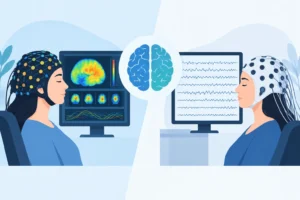
Neurofeedback is often described as a gym for your brain, and that comparison works because the process is based on training rather than passive treatment. Using EEG technology, clinicians observe brainwave activity in real time and guide the brain toward healthier, more efficient patterns. Over repeated sessions, the brain learns better self-regulation.
For focus improvement, that matters because attention is strongly linked to regulation. When the brain is more balanced, it becomes easier to stay present, filter distractions, recover after interruptions, and maintain effort without feeling mentally flooded.
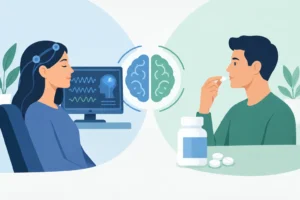
Unlike approaches that rely only on talking about symptoms, neurofeedback works directly with the brain’s functioning. Unlike medication, it is non-invasive and does not add a chemical effect that wears off later in the day. For many families and adults, that alone makes it worth considering.
What the process usually looks like
A high-quality neurofeedback program should begin with assessment, not guesswork. QEEG brain mapping helps identify patterns linked to attention problems, overstimulation, underarousal, or other regulatory issues. That data allows clinicians to build a treatment plan that is specific to the individual.
From there, sessions are structured and repeatable. The client receives feedback while the brain practices shifting toward healthier activity. Progress is tracked over time, often alongside changes in daily functioning such as school performance, work output, emotional control, and mental stamina.
That structure matters. Focus can feel subjective, but good neurofeedback care makes improvement more visible and measurable.
How neurofeedback compares with other therapies
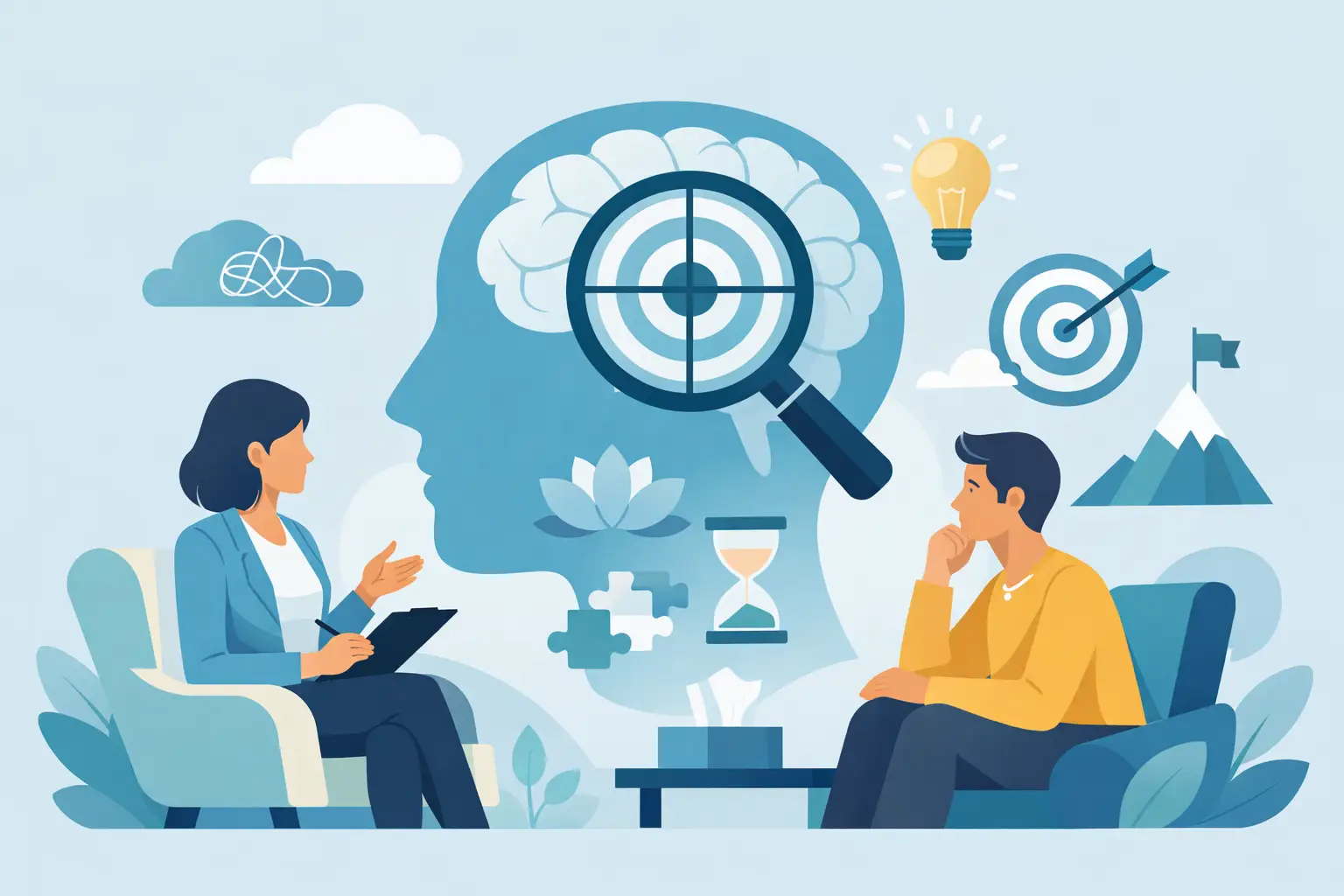
Counseling can be extremely helpful when focus issues are linked to anxiety, grief, emotional overwhelm, or self-esteem struggles. A person who cannot concentrate because their mind is stuck in worry may need space to process what is happening internally. Counseling helps create insight, coping strategies, and emotional relief.
Still, insight does not always change attention regulation by itself. A client may understand their stress very well and still feel scattered all day. That is where neurofeedback can add something different. It targets the brain patterns underneath the experience, not just the meaning attached to it.
Coaching also has value, especially for students, executives, and high performers. It can improve routines, accountability, planning, and task management. But coaching works best when the brain is available to use those skills consistently. If attention is unstable at a neurological level, strategies may be hard to maintain.
Medication can be effective for some people, particularly in ADHD care, and it should not be dismissed casually. For the right person, it may offer meaningful relief. The trade-off is that some people want to avoid side effects, reduce dependence, or build a longer-term self-regulation pathway. In those cases, neurofeedback offers an appealing alternative or complementary support.
When the best therapy is a combination
The most meaningful improvements in focus often come from combining methods rather than choosing one in isolation. A child with ADHD and frustration may benefit from neurofeedback plus parent support and coaching around school habits. An adult with burnout may need brain training, sleep recovery, and counseling to address chronic stress. A senior experiencing mental fog may benefit from cognitive support alongside careful clinical evaluation.
This is where an integrated clinic model becomes especially valuable. When neurofeedback, counseling, coaching, and complementary therapies are available under one roof, care can be shaped around the whole person instead of fitting everyone into the same protocol.
At Positive Living UAE, that whole-person approach is central to care. The goal is not simply to reduce distraction for a few hours. It is to help clients build steadier attention, better emotional balance, and stronger day-to-day performance through expert-led, individualized support.
Who may benefit most from neurofeedback for focus
Children with attention struggles often respond well because the training is active but non-invasive. Parents frequently want help that goes beyond symptom control and supports learning, emotional regulation, and confidence at school.
Adults with anxiety, mental fatigue, or overstimulation may also see strong results. Many describe their focus problems as feeling mentally noisy rather than simply forgetful. Neurofeedback can help calm that internal noise so concentration feels less forced.
High performers are another important group. Sometimes focus is not clinically impaired, but inconsistent under pressure. Executives, athletes, and creatives may seek sharper concentration, quicker recovery from stress, and better cognitive endurance. In those cases, therapy is not just about fixing a problem. It is about optimizing performance.
What to look for in a focus therapy provider
Not every focus program is equally thorough. Look for clinical oversight, individualized assessment, and a clear method for measuring progress. If neurofeedback is offered, QEEG brain mapping and ongoing review add an important layer of precision. Experience matters too, especially when focus issues overlap with ADHD, anxiety, depression, sleep disruption, or learning challenges.
It is also worth paying attention to how the provider talks about treatment. Credible care does not promise instant transformation or claim one therapy works for everyone. It should explain trade-offs clearly, set realistic expectations, and make room for the fact that progress may look different across age groups and conditions.
That balance of expertise and compassion matters. People seeking help for focus are often already frustrated with themselves. The right clinical environment should feel supportive, structured, and grounded in evidence rather than judgment.
A more useful question than best
Sometimes the most helpful shift is moving from what is the best therapy in general to what is the best fit for this brain, this stage of life, and this pattern of symptoms. For many people, neurofeedback rises to the top because it trains the brain directly, avoids medication, and can be tailored with real data. For others, the strongest results come when brain training is paired with counseling or coaching.
If focus has become harder than it should be, that does not mean you are failing. It may simply mean your brain needs a different kind of support. With the right assessment and a personalized plan, better concentration is not just possible. It can become something you build steadily, session by session, until daily life feels clearer and lighter again.