A busy mind does not always look distressed from the outside. It can look like a child who cannot sit still long enough to finish homework, a professional who feels wired at night but foggy all day, or an adult who knows what to do yet still feels emotionally hijacked. This neurofeedback therapy complete guide explains how brain-based training works, what to expect, and why many people choose it when they want a non-invasive, medication-free path toward better regulation and clearer performance.
What neurofeedback therapy actually does
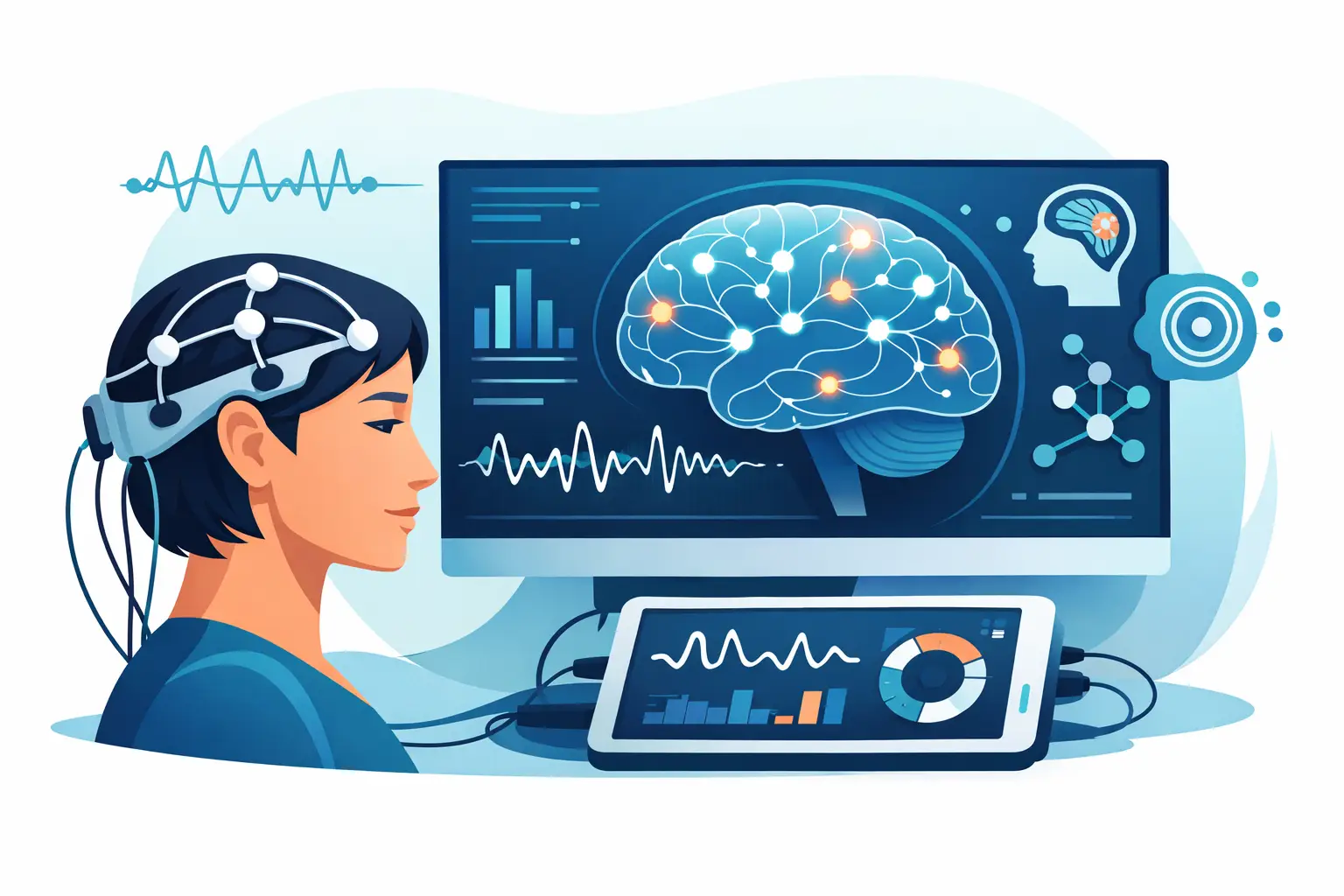
Neurofeedback is a form of brain training based on real-time EEG measurement. Sensors are placed on the scalp to read brainwave activity, and that activity is reflected back through audio or visual cues. When the brain shifts toward a healthier, more stable pattern, it receives immediate feedback. Over time, this process can help the brain learn to self-correct more efficiently.
A simple way to think about it is this: neurofeedback is like a gym for your brain. You are not forcing the brain or shocking it. You are giving it information about what it is doing in the moment, then helping it practice better regulation. The goal is not perfection. The goal is more flexibility, steadier attention, calmer emotional responses, and improved resilience under stress.
That distinction matters because many symptoms people struggle with are not just behavioral. They are tied to patterns of underarousal, overarousal, poor timing, or inefficient communication across brain networks. Neurofeedback aims to train those patterns at the source.
A neurofeedback therapy complete guide to how the process works
A quality neurofeedback program usually starts long before the first training session. The first step is understanding the person, not just the symptom. A child with attention issues, an adult with anxiety, and a high performer chasing sharper focus may all have very different underlying brain patterns.
Assessment and QEEG brain mapping
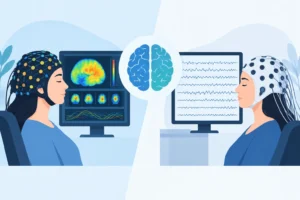
In many clinical settings, the process begins with intake, symptom review, and QEEG brain mapping. A QEEG is an advanced analysis of EEG activity that helps identify where the brain may be overactive, underactive, or dysregulated. It does not diagnose everything on its own, but it can add valuable objective data to the picture.
This matters because personalized care tends to produce better decisions than a one-size-fits-all protocol. Two people can both report poor sleep, for example, while one has a chronically overactivated nervous system and the other has irregular patterns linked to mood instability or cognitive fatigue. The training approach should reflect that difference.
Personalized training sessions
During a session, sensors are placed on the scalp to monitor activity. The client then watches a screen, listens to audio, or engages with simple feedback-based software while the system tracks brainwave changes. When the brain moves in the desired direction, the feedback responds.
Most people find the sessions comfortable. There is no pain, no electrical stimulation, and no need to “try hard” in the usual sense. The work happens through repetition and reinforcement. Some people notice subtle changes early, while others improve more gradually over a series of sessions.
Progress tracking and protocol adjustments
Good neurofeedback is not static. Progress should be reviewed through symptom tracking, clinical observation, and, when appropriate, follow-up assessments. If sleep improves but focus remains inconsistent, the protocol may need refinement. If emotional reactivity decreases yet mental fatigue lingers, that is useful information too.
This is one reason professional oversight matters. The technology is only part of the equation. Interpreting the data, recognizing patterns, and adjusting training thoughtfully is what turns a device into a treatment process.
What neurofeedback may help with
Neurofeedback is used for a wide range of concerns related to regulation, mood, cognition, and performance. In clinical practice, people often seek support for ADHD, anxiety, anger management, depression, learning difficulties, memory loss, migraines, sleep issues, burnout, and peak mental performance.
For children, the benefits may show up as better focus, fewer meltdowns, stronger emotional control, or improved school performance. For adults, it may mean less mental noise, better sleep, more consistent energy, and a calmer response to pressure. For seniors, support may center on memory, mental clarity, and quality of life.
Still, this is where nuance matters. Neurofeedback is not a magic fix, and it does not replace every other form of care. If someone is dealing with trauma, relationship stress, or deeply ingrained behavior patterns, brain training may work best alongside counseling, coaching, or other therapies. A holistic model often supports longer-lasting change because it addresses both the nervous system and the person living inside it.
What a typical session feels like
One of the most common questions is whether neurofeedback feels strange or uncomfortable. For most clients, the answer is no. The sensors simply read brain activity from the scalp. They do not put anything into the brain.
During the session, some people feel relaxed and alert. Others feel slightly tired afterward, especially early in treatment, because the brain is adapting to a new training demand. Some notice they sleep better on training days. Others become aware of emotional shifts or sharper concentration over time rather than immediately after a session.
Results can vary based on age, symptom severity, consistency, sleep quality, stress load, and how individualized the protocol is. That is why honest expectation-setting is part of good care. Improvement is often cumulative rather than dramatic.
Is neurofeedback evidence-based?
Neurofeedback has been studied across areas such as ADHD, anxiety, seizure disorders, sleep, and cognitive performance. The research base is stronger in some applications than others, and the quality of practice can vary widely between providers. That is worth saying plainly.
A strong provider combines science-backed methods with clinical experience, structured assessment, and measurable follow-up. FDA-approved technology, practitioner credentials, and clear progress reviews all help build confidence that care is being delivered responsibly.
What many families and adults appreciate most is that neurofeedback offers an option beyond symptom suppression alone. It aims to train self-regulation rather than simply manage outward behavior. For people who want a drug-free approach or a complementary tool alongside other care, that can be deeply appealing.
Who is a good candidate for neurofeedback?
The best candidates are usually people looking for a non-invasive, personalized approach and who are willing to commit to a process. Neurofeedback tends to work through repetition, so consistency matters. Someone attending a few sessions with no follow-through may not get a fair sense of its benefits.
It can be a strong fit for children who struggle with attention or emotional control, adults dealing with chronic stress or burnout, and high performers who want better cognitive endurance. It may also help people who feel they have tried many things yet still sense that their brain and nervous system are stuck in unhelpful patterns.
There are also cases where caution and coordination are needed. Complex mental health conditions, neurological issues, medication changes, or unstable life circumstances may require a broader treatment plan. A trustworthy clinic will not promise the same outcome to everyone.
Why personalization matters more than hype
The internet is full of big claims about brain training. Some are grounded. Some are not. What makes the real difference is not flashy language but careful personalization.
A premium neurofeedback experience should include thoughtful assessment, individualized protocols, ongoing monitoring, and practitioners who understand both the technology and the human side of healing. At Positive Living UAE, that kind of integrated care matters because lasting progress often comes from more than one lever. When neurofeedback is supported by counseling, coaching, or hypnotherapy where appropriate, clients often gain not just symptom relief but better self-awareness and stronger daily functioning.
Questions to ask before starting
If you are considering care, ask how treatment plans are built, whether QEEG mapping is used, how progress is measured, and who supervises the sessions. Ask what conditions the clinic commonly works with and how they adjust protocols if early results are mixed. Those questions reveal far more than marketing claims.
You should also ask what success looks like in practical terms. For one person, success may mean a child can get through the school day with fewer disruptions. For another, it may mean falling asleep without a racing mind. For an executive or athlete, it may mean better focus under pressure. Clear goals help the process stay grounded and meaningful.
Neurofeedback is not about changing who you are. At its best, it helps your brain function with less friction, so you can show up with more steadiness, clarity, and control where it matters most.