A racing mind at 2 a.m., a short temper after a demanding workday, or a child who cannot stay settled long enough to finish homework can feel like a personal failure. Often, it is not. These reactions may reflect learned nervous system responses that have become automatic over time. Learning how to retrain brain patterns means creating repeated experiences that help the brain respond with more balance, flexibility, and control.
The brain is adaptable throughout life. This ability, called neuroplasticity, is why people can develop new skills, recover confidence after difficult periods, and gradually change habits that once felt fixed. Yet meaningful change is rarely about forcing yourself to “think positive.” It comes from understanding the pattern, practicing a better response consistently, and getting the right level of support when symptoms are persistent or disruptive.
What Brain Patterns Really Are
Brain patterns are not simply thoughts. They are recurring combinations of attention, emotion, physical sensations, behavior, and brain activity. For example, a professional may receive a brief email from a manager, feel a tight chest, assume the worst, and spend the next hour unable to focus. A child may encounter a challenging task, become overwhelmed, avoid it, and then associate learning with distress.
Over time, the brain becomes efficient at repeating familiar routes. That efficiency is useful when it supports concentration, sleep, calm decision-making, and learning. It is less helpful when it keeps someone stuck in worry, impulsivity, anger, low mood, poor sleep, or mental fatigue.
The goal is not to eliminate every difficult feeling. Anxiety can signal a need for preparation, and frustration can point to a boundary or unmet need. The goal is to reduce patterns that are out of proportion, too frequent, or no longer serving daily life.
How to Retrain Brain Patterns: Start With Awareness
You cannot change a pattern you only notice after it has taken over. The first practical step is to observe the sequence with curiosity rather than judgment. When a strong reaction happens, pause and ask: What happened just before this? What did I notice in my body? What story did my mind begin telling? What did I do next?
This creates distance between the trigger and the automatic response. That small pause matters because it gives the thinking part of the brain a chance to participate. A person who usually snaps during conflict may learn to recognize jaw tension and a faster heartbeat as early signals. Instead of continuing the familiar cycle, they can step away briefly, slow their breathing, and return when they can speak more clearly.
A short daily note can be helpful, especially for recurring anxiety, headaches, sleep disruption, or attention difficulties. Track the time of day, trigger, physical sensations, intensity, response, and what helped. After a week or two, patterns often become more visible. This information can also make professional care more personalized and measurable.
Use Repetition, Not Willpower Alone
The brain changes through repetition. One calming exercise will not erase years of stress conditioning, just as one visit to the gym does not build lasting strength. Small, frequent practices are more likely to create change than occasional bursts of effort.
Choose one response that is realistic enough to repeat when life is busy. If your pattern is spiraling thoughts before bed, your new response might be putting worries on paper, dimming screens, and practicing slow breathing for five minutes. If your pattern is shutting down during difficult conversations, the new response might be naming the feeling, requesting a short pause, and returning at an agreed time.
Consistency matters more than perfection. Missing a day does not mean you have failed or returned to the beginning. It simply means the next repetition is an opportunity to reinforce the new pathway.
Regulate the Body to Support the Mind
The nervous system and the brain are inseparable. When the body is chronically under-rested, overstimulated, sedentary, or fueled by irregular meals, emotional regulation and focus become harder. Lifestyle changes are not a cure-all, but they can make brain training more effective.
Regular sleep and wake times, movement that suits your fitness level, balanced meals, hydration, daylight exposure, and time away from constant notifications all give the brain a steadier foundation. For children, predictable routines and adequate sleep can be particularly influential because developing brains are highly sensitive to structure and overstimulation.
Breathing practices can also be useful in the moment. Try extending the exhale slightly longer than the inhale for a few minutes. This is not about forcing calm. It is a gentle signal of safety to a system that may be operating as if every challenge is urgent.
Replace the Pattern With a Specific Alternative
Telling yourself to stop worrying or stop getting angry rarely works because the brain needs a replacement action. A useful plan is: when this trigger happens, I will do this next.
For instance, when you notice yourself rereading a message and assuming rejection, you might label the thought as a prediction rather than a fact, wait 10 minutes before responding, and redirect your attention to a concrete task. When a child becomes frustrated with schoolwork, the alternative may be a two-minute break, a simpler first question, and praise for effort rather than only correct answers.
The best alternative depends on the pattern. Someone with burnout may need fewer commitments and clearer boundaries, while someone with low motivation may benefit from a small, structured action before waiting to feel motivated. For trauma-related symptoms, severe depression, panic, significant memory changes, or thoughts of self-harm, self-guided techniques should not replace qualified mental health or medical care.
When Neurofeedback May Help Retrain the Brain
Sometimes a person understands their patterns perfectly but still struggles to change them. This can be frustrating, especially when the nervous system remains highly reactive despite insight, counseling, or healthy routines. Neurofeedback may be a supportive option in these cases.
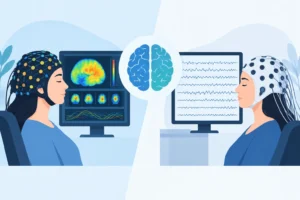
Neurofeedback is a non-invasive form of brain training that uses EEG technology to observe brainwave activity in real time. During a session, sensors are placed on the scalp to read activity. The sensors do not send electricity into the brain. Instead, the system provides feedback, often through visual or auditory cues, when the brain moves toward more desirable activity patterns.
It can be helpful to think of neurofeedback as a gym for the brain. The brain receives immediate feedback about what it is doing and, through repeated practice, may learn to self-regulate more effectively. Programs should not be one-size-fits-all. A thorough approach can include a QEEG brain map, a review of symptoms and goals, individualized training protocols, and progress evaluations over time.
Research and clinical experience support neurofeedback as a potential tool for concerns such as attention challenges, anxiety, sleep issues, migraines, emotional regulation, and cognitive performance. Results vary based on the individual, the underlying concern, consistency, and whether neurofeedback is combined with other appropriate support. It is not a replacement for medical evaluation, and medication decisions should always be made with a licensed prescriber.
At Positive Living UAE, neurofeedback can be integrated with counseling, coaching, and hypnotherapy when appropriate, helping clients address both brain regulation and the daily habits, emotions, and beliefs connected to their goals.
Give Change Enough Time to Become Familiar
Old patterns feel natural because they are familiar, not because they are inevitable. New responses may initially feel awkward, slow, or less convincing than the old ones. That is expected. The brain tends to favor the route it has traveled most often.
Look for practical signs of progress: recovering more quickly after stress, sleeping with fewer interruptions, completing tasks with less avoidance, pausing before reacting, or feeling more present with family. These changes can be meaningful even before symptoms disappear completely.
You do not need to overhaul your life to begin. Notice one recurring pattern this week, choose one compassionate alternative, and practice it often enough for your brain to recognize it as a new option. With patient repetition and personalized support when needed, a calmer, clearer response can become less of an effort and more of a way of life.