A tense jaw before a meeting, a racing heart after an upsetting email, or the feeling that you cannot fully switch off at night can all reflect a nervous system that is working too hard to protect you. Learning to improve vagal nerve regulation is not about forcing yourself to be calm. It is about helping your body recognize safety more often, so recovery, clear thinking, sleep, and emotional balance become more available.
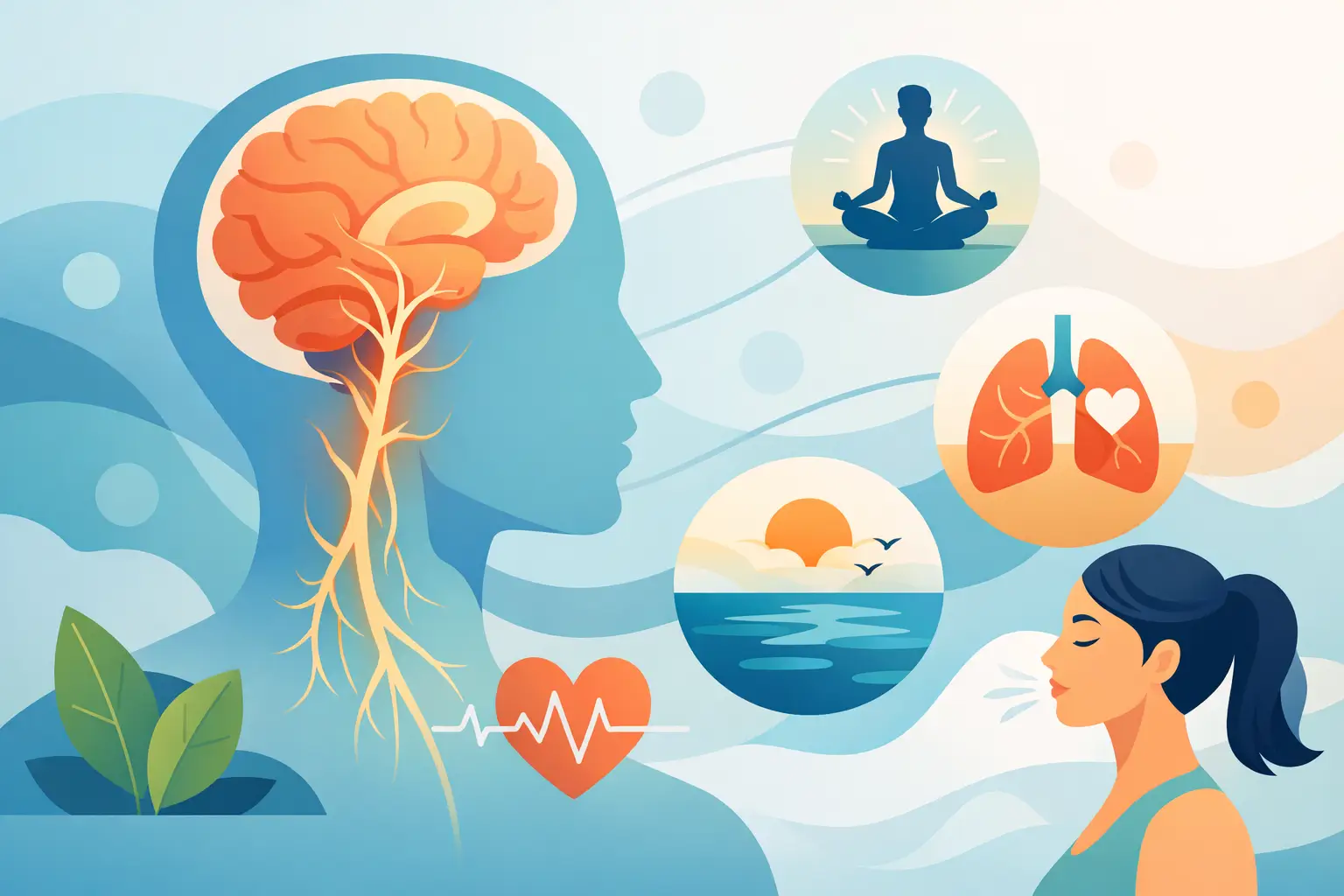
The vagus nerve is a major communication pathway between the brain and organs such as the heart, lungs, and digestive system. It plays a central role in the parasympathetic nervous system, often called the “rest and digest” response. When this system can respond flexibly, you may be better able to settle after stress. When it is under strain, even ordinary demands can feel overwhelming.
What Vagal Regulation Really Means
People often talk about “vagal tone” as though it is a single score that explains anxiety, burnout, attention challenges, or digestive symptoms. Human nervous systems are more complex than that. Vagal activity is only one part of a broader system involving sleep, hormones, physical health, life experiences, relationships, and brain patterns.
A well-regulated nervous system is not calm every minute of the day. It can mobilize when a deadline, difficult conversation, or athletic event requires energy, then return toward a settled state afterward. That flexibility is the goal.
Heart rate variability, or HRV, is sometimes used as one indirect measure related to autonomic regulation. A wearable device can reveal useful trends, but a single low reading does not diagnose a problem, and pursuing a higher number can become another source of stress. How you feel, function, sleep, and recover matters just as much.
Daily Practices That Support Vagal Nerve Regulation
Small, repeated signals of safety tend to be more useful than intense techniques done once in a while. Choose practices that feel manageable. If a method leaves you dizzy, more activated, or emotionally flooded, stop and try a gentler approach.
Start With a Longer, Comfortable Exhale
Slow breathing can influence the connection between breathing and heart rhythm. A simple approach is to inhale gently for about four seconds and exhale for about six seconds, without straining or holding your breath. Try this for one to three minutes before a challenging task, after work, or while waiting for sleep.
The emphasis is comfort, not control. People with panic symptoms sometimes become more aware of bodily sensations during breathwork. If that happens, breathe normally, open your eyes, and place attention on a neutral external detail, such as the feel of your feet on the floor.
Use Movement to Complete the Stress Cycle
Your nervous system is designed to move. A daily walk, light cycling, stretching, swimming, or a few minutes of dancing can help discharge some of the activation that accumulates during long hours of sitting, screens, and problem-solving.
The best exercise dose depends on your current capacity. High-intensity training can be energizing for one person and overstimulating for another, especially during burnout, poor sleep, illness, or chronic stress. Consistent moderate movement is often the more sustainable starting point.
Support Safety Through Connection
The nervous system reads social cues constantly. A warm conversation, shared laughter, singing, spending time with a trusted person, or simply being around someone who feels steady can help the body shift out of threat mode.
This is not a reason to pressure yourself into socializing when you are exhausted. Quiet connection counts too: sitting with a loved one, listening to a familiar voice, or having a brief, supportive check-in. For children, predictable routines and calm co-regulation from adults are especially powerful.
Protect the Foundations: Sleep, Food, and Recovery
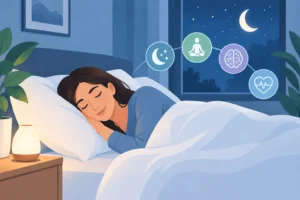
No breathing exercise can fully compensate for persistent sleep deprivation. A regular wake time, a darker and cooler bedroom, reduced late-night stimulation, and a wind-down routine give the brain clearer cues that it is safe to rest.
Regular meals, hydration, and enough protein and fiber also matter because blood sugar swings can mimic or intensify anxiety sensations. Caffeine and alcohol affect people differently. If you notice palpitations, disrupted sleep, irritability, or next-day anxiety, reducing or adjusting timing may support better regulation.
Why “Quick Vagus Nerve Hacks” Have Limits
Cold water on the face, humming, gargling, and massage around the ears are often promoted as direct vagus nerve solutions. Some people find these practices refreshing or soothing. However, the evidence for dramatic or lasting effects from any one technique is limited, and they should not be treated as a cure for anxiety, depression, trauma responses, ADHD, or medical conditions.
A more helpful question is: does this practice help you feel more settled over time without becoming another demand on your day? If yes, it may have a place in your routine. If no, you have not failed. Your nervous system may need a different kind of support.
Be cautious with aggressive cold exposure or breath-holding challenges. They are not appropriate for everyone, particularly people with heart conditions, breathing disorders, pregnancy-related concerns, a history of fainting, or trauma that is easily triggered by intense body sensations. Discuss new practices with a qualified healthcare professional when you have medical concerns.
How Brain-Based Support Can Help
Vagal regulation does not happen in isolation from the brain. When the brain repeatedly interprets ordinary situations as threatening, the body may remain on alert even when a person logically knows they are safe. This pattern can show up as anxiety, emotional reactivity, sleep disruption, poor focus, headaches, or the drained feeling common in burnout.
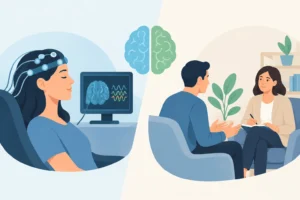
Neurofeedback is a non-invasive, medication-free form of brain training that may support regulation for some people. Using EEG technology, it gives the brain real-time feedback about its activity, helping it practice more efficient patterns over repeated sessions. Think of it as a gym for the brain: progress comes through individualized training and repetition, not one perfect workout.
At Positive Living UAE, QEEG brain mapping and structured progress reviews can help guide a personalized care plan. This is valuable because two people may both say they feel “stressed” while having very different sleep patterns, attention needs, triggers, and goals. Counseling, coaching, or other therapeutic support may also be appropriate alongside neurofeedback, depending on the person.
Neurofeedback is not a direct vagus nerve stimulation treatment, and it should not be presented as a replacement for medical care. Its potential value is broader: helping support brain regulation that can make emotional recovery, attention, and healthy routines easier to practice.
When to Seek Professional Assessment
Self-regulation practices are a meaningful part of care, but persistent symptoms deserve more than self-help advice. Consider professional guidance if you are experiencing panic attacks, ongoing insomnia, severe mood changes, frequent anger, worsening memory, difficulty functioning at school or work, or stress that is affecting your relationships.
A medical assessment is particularly important for chest pain, fainting, new or severe palpitations, shortness of breath, sudden neurological symptoms, or thoughts of self-harm. These symptoms should never be assumed to be “just stress.”
For parents, a child’s shutdowns, meltdowns, inattention, learning difficulties, or sleep struggles may reflect many overlapping factors. A thoughtful evaluation can distinguish between developmental needs, emotional stress, learning differences, sensory sensitivities, and health concerns. The aim is not to label a child, but to understand what support will help them feel safer and function more confidently.
Build a Regulation Plan You Can Actually Keep
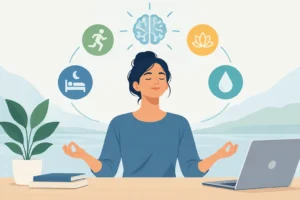
Trying every technique at once often creates the very pressure you are trying to reduce. Start with one brief breathing practice, one form of enjoyable movement, and one reliable sleep cue. Practice them for two weeks and notice patterns in your energy, mood, sleep, concentration, and recovery after stressful moments.
Then adjust with curiosity. If mornings are your hardest time, add a short walk or slow exhale practice before looking at messages. If your mind races at night, make the hour before bed quieter and more predictable. If stress feels deeply ingrained or hard to shift alone, personalized clinical support can give you a clearer path forward.
Your nervous system is not broken for reacting strongly. It has learned to protect you. With patient repetition, compassionate support, and the right tools, it can also learn that more moments of your life are safe enough to meet with steadiness.