A child who cannot settle into homework, a professional whose mind stays switched on at midnight, and an athlete seeking steadier focus may all ask about the same therapy. Yet they should not receive the same training plan. Personalized neurofeedback protocols are built around the understanding that each brain, nervous system, symptom pattern, and goal is different.
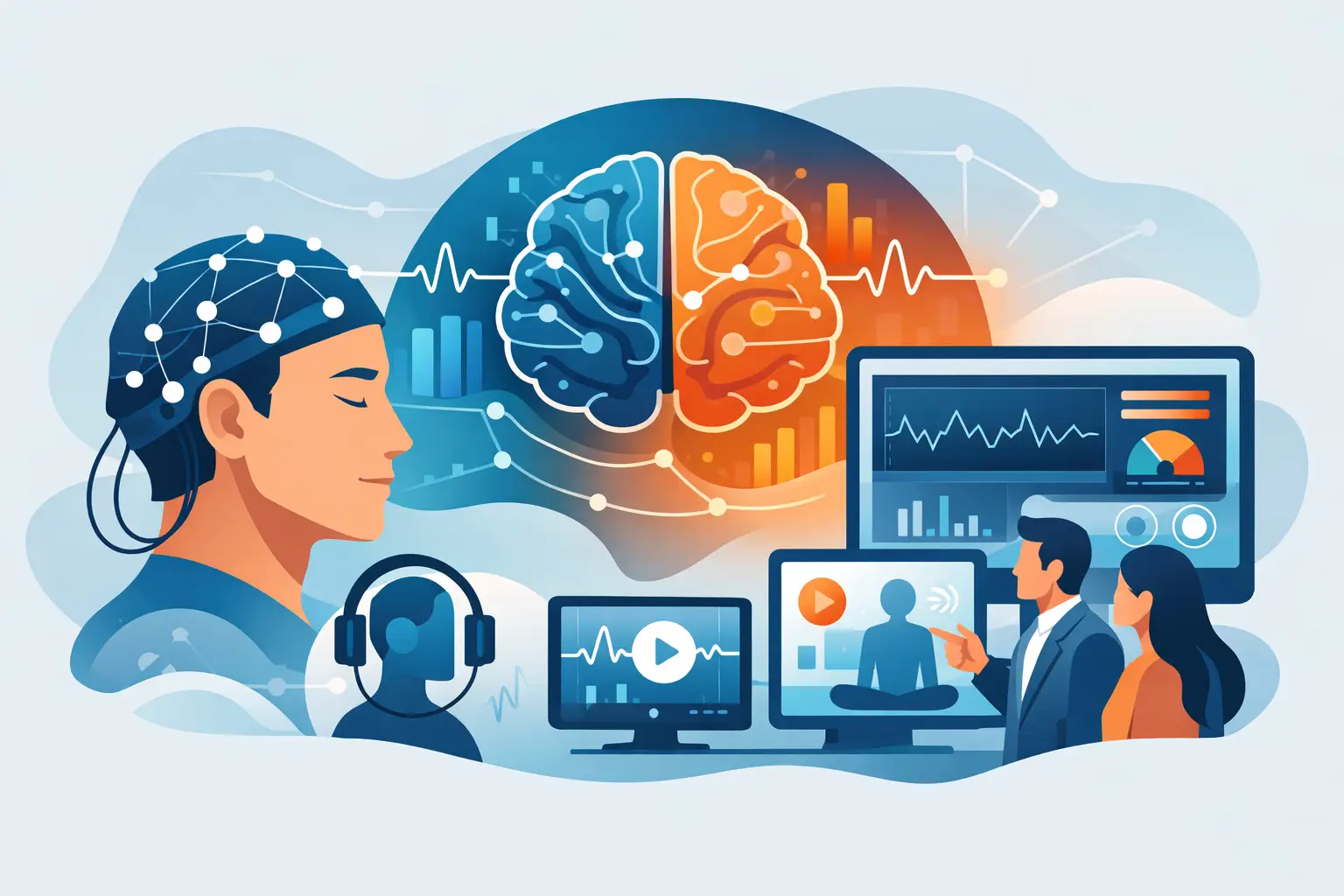
Neurofeedback is often described as a gym for the brain. During a session, sensors measure brainwave activity through EEG technology while the client receives real-time feedback, often through sound or visuals. The brain learns, through repetition, to move toward more regulated patterns. It is non-invasive, medication-free, and does not involve sending electricity into the brain.
The value of personalization is not simply that it feels more attentive. It gives clinical brain training a clearer direction. Rather than chasing a label or applying a generic setting, a qualified practitioner uses assessment data, lived experience, and ongoing results to shape care around the person in front of them.
Why personalized neurofeedback protocols matter
Two people can share an ADHD diagnosis and have very different challenges. One may be impulsive and under-aroused, struggling to sustain attention in class. Another may be mentally overactive, anxious, and unable to sleep. Training that supports alertness in the first person may not be appropriate for the second.
The same principle applies to anxiety, depression, migraines, burnout, learning difficulties, memory concerns, and sleep disruption. Symptoms can overlap, but the factors contributing to those symptoms are not always identical. Stress load, sleep quality, medication history, developmental background, concussion history, emotional patterns, and daily demands all matter.
A personalized protocol does not promise a one-size-fits-all cure. It creates a thoughtful starting point and a way to adjust treatment based on measurable progress. This is especially reassuring for parents and adults who have tried approaches that addressed only the surface of the problem.
The assessment behind an individualized plan
Effective neurofeedback begins before the first training session. A clinical intake should explore what is happening in everyday life: attention at school or work, emotional triggers, sleep routines, energy, headaches, relationships, and the specific outcomes the client wants to see.
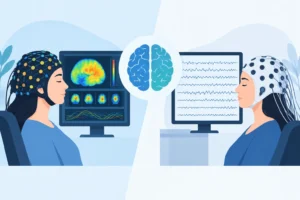
At Positive Living UAE, this process can include a QEEG brain map. A QEEG, or quantitative electroencephalogram, records and analyzes patterns of brainwave activity across different areas of the brain. The information is interpreted by trained professionals alongside clinical history and symptom reporting. It is not a stand-alone diagnosis, and it should never replace medical evaluation when one is needed.
A brain map may help identify patterns worth investigating, such as unusually slow or fast activity, differences in communication between brain regions, or activity that may relate to difficulty settling, focusing, or regulating emotions. The result is a more informed conversation about where training may be most useful.
Goals give the data meaning
Numbers on a brain map are only part of the picture. A strong plan connects the data to real-life goals. For a child, that goal may be completing homework with fewer battles, following instructions more easily, or feeling less overwhelmed in noisy environments. For an adult with burnout, it may be falling asleep without racing thoughts and getting through a workday with more stable energy.
For a high performer, the target may be sustained concentration, faster recovery after pressure, or a calmer response before a presentation or competition. These outcomes help guide protocol choices and make progress easier to recognize beyond the treatment room.
What a personalized protocol can include
A protocol is the clinical plan for how neurofeedback sessions are delivered. It may specify the training sites, the brainwave ranges being targeted, the type of feedback used, session frequency, and how the practitioner will monitor response. The details should be selected carefully, not copied from a standard template.
The process generally includes four connected elements:
- A detailed consultation and symptom history to understand concerns, strengths, health context, and goals.
- EEG or QEEG-informed assessment, when clinically appropriate, to add objective information about brain activity patterns.
- A tailored training plan delivered with professional oversight, using FDA-cleared neurofeedback technology where applicable.
- Regular progress evaluations that compare changes in symptoms, functioning, and client experience with the original goals.
Sessions are usually comfortable and quiet. Sensors are placed on the scalp with conductive paste or gel to read electrical activity. The client may watch a screen, listen to audio, or engage with a simple visual display. When the brain produces the desired pattern, the feedback becomes more rewarding. Over time, the brain practices recognizing and repeating more efficient states.
The experience is not about forcing the brain to behave. It is about offering consistent information so the nervous system can learn. For many clients, that learning is gradual. Some notice changes in sleep, calm, focus, or emotional recovery early on, while others need more time before daily improvements become clear.
Progress tracking prevents guesswork
Personalization should continue after the initial assessment. The best protocol on paper still needs to be tested against the person’s actual response. A practitioner may ask about sleep quality, anxiety intensity, school feedback, headaches, mood, concentration, and energy between sessions.
If a client feels more settled and is functioning better, the plan may continue as designed. If they experience fatigue, irritability, restlessness, or no meaningful change, the practitioner should review the training settings and the wider clinical picture. This does not automatically mean neurofeedback is unsuitable. It may mean the protocol, pace, or supporting care needs adjustment.
This is one reason professional oversight matters. Home tools and generalized programs may appeal because they are convenient, but they cannot provide the same level of assessment, interpretation, or responsive modification. For complex symptoms, children, seniors, or anyone with a history of neurological or mental health concerns, individualized guidance offers an added layer of care.
Neurofeedback works best as part of a wider plan
Brain training can be a valuable part of mental wellness, but it is not always the only support someone needs. Sleep habits, nutrition, medical care, counseling, coaching, school accommodations, and stress-management skills can all influence results. Someone processing grief, navigating trauma, or facing severe depression may benefit from neurofeedback alongside appropriate psychotherapy and medical support.
This holistic view matters because progress is rarely limited to a single brainwave pattern. Emotional regulation improves when people also have practical tools for relationships, boundaries, self-awareness, and daily recovery. Combining neuroscience-based care with counseling, coaching, or hypnotherapy can help clients turn gains from sessions into changes that hold up at home, school, and work.
Questions to ask before beginning
Before choosing a provider, ask how they decide on a protocol, what credentials and supervision are involved, and how they measure progress. It is also reasonable to ask whether a QEEG is recommended for your concerns, how often the plan will be reviewed, and what happens if you do not respond as expected.
Be cautious of guaranteed outcomes or claims that neurofeedback can replace all medical or psychological care. Ethical providers explain both potential benefits and limitations. They also encourage collaboration with a client’s physician, psychologist, school support team, or other relevant professionals when appropriate.
The right plan should feel clear, not confusing. You should understand what you are working toward, how sessions are expected to support that goal, and how the practitioner will know whether the approach is helping.
A personalized neurofeedback journey is ultimately about more than a brain map or a training screen. It is about giving your brain repeated opportunities to practice regulation while being supported by people who see the whole person. With a careful assessment, realistic expectations, and consistent follow-through, that process can become a meaningful step toward greater calm, clarity, and confidence in everyday life.