A child who starts homework but cannot stay with it, a professional who rereads the same email three times, and a senior who feels mentally slower may share one frustrating experience: focus no longer feels dependable. A meaningful focus improvement treatment guide begins by looking beyond willpower. Attention is shaped by the brain, body, emotions, environment, and the demands placed on a person each day.
The goal is not to force concentration through exhaustion or simply suppress symptoms. It is to understand what is disrupting attention and build the conditions for steadier, more confident mental performance.
Why Focus Problems Deserve a Personalized Look
Focus is the ability to direct attention, sustain it, shift it when needed, and filter out distractions. When one part of that system is under strain, daily life can become harder. Children may struggle to follow instructions or complete schoolwork. Adults may procrastinate, miss details, lose track of conversations, or feel overwhelmed by simple tasks. Older adults may notice forgetfulness alongside reduced mental stamina.
There is no single cause of poor focus. ADHD can affect attention regulation, but so can chronic stress, anxiety, depression, burnout, poor sleep, trauma, migraines, hormonal changes, learning differences, medication effects, and medical conditions. Constant notifications and multitasking can make an already taxed nervous system work even harder.
That is why a one-size-fits-all solution often disappoints. More coffee may briefly increase alertness while worsening anxiety or sleep. Strict productivity systems can help some people, yet fail when the underlying problem is emotional overload, untreated ADHD, or persistent sleep disruption. The right plan depends on what the brain and body are signaling.
Focus Improvement Treatment Guide: Start With Assessment
Before choosing a treatment, begin with a careful assessment. A qualified healthcare professional can review when the problem started, how it affects school, work, relationships, and safety, and whether symptoms occur in more than one setting. They may also explore sleep quality, mood, stress, nutrition, medical history, medications, substance use, and family patterns.
For children, feedback from parents and teachers can reveal whether attention difficulties are consistent or mainly appear during certain tasks. For adults, looking at workload, deadlines, digital habits, and major life changes often adds valuable context. For seniors, new or rapidly worsening cognitive changes should always be evaluated medically rather than assumed to be a normal part of aging.
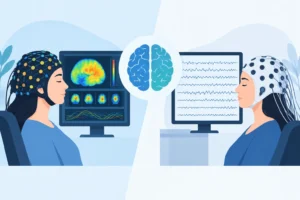
A brain-based assessment can add another layer of insight. Quantitative EEG, often called QEEG brain mapping, measures patterns of electrical activity in the brain. It does not diagnose every condition on its own. Instead, it can help trained practitioners identify patterns that may be associated with underarousal, overarousal, inefficient regulation, or difficulty maintaining an attentive state. This information can support a more personalized care plan and provide a baseline for tracking progress.
Build the Foundations That Support Attention
Treatment is most effective when the brain has the basic resources it needs to regulate well. These are not simplistic fixes, but they are often essential parts of a plan.
Sleep deserves early attention. Inconsistent sleep schedules, sleep apnea, frequent waking, and late-night screen use can all reduce working memory, reaction time, and emotional patience. A person may think they have an attention problem when their brain is simply not recovering overnight. Addressing sleep can make other forms of treatment more effective.
Regular movement also supports focus by improving mood, stress regulation, and mental energy. The best activity is one that is realistic enough to repeat. For some people, a morning walk improves the first hours of work. For others, short movement breaks prevent the afternoon mental crash.
Food and hydration matter as well, particularly when skipped meals lead to energy dips and irritability. The aim is not a restrictive diet. It is steadier fuel throughout the day. Reducing the cycle of rushing, scrolling, snacking, and working through fatigue can give the attention system more room to function.
Finally, make the environment easier on the brain. Keep one task visible at a time, silence nonessential notifications, and use short planned work intervals with clear stopping points. These changes do not cure ADHD, anxiety, or burnout, but they reduce unnecessary cognitive load.
Clinical Treatment Options for Better Focus
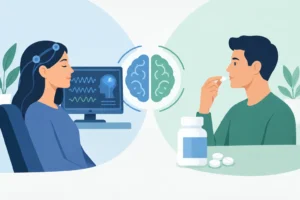
The most appropriate treatment depends on the assessment. For ADHD, medical evaluation may include discussions about medication, behavioral therapy, school or workplace accommodations, and parent training. Medication can be highly helpful for some people, while others cannot take it, prefer a drug-free approach, or benefit from combining it with skills-based and brain-regulation support. These decisions should be made with a qualified prescribing clinician.
Counseling can be especially useful when worry, low mood, perfectionism, anger, grief, or trauma keeps the nervous system on alert. A person who seems distracted may actually be spending much of their mental energy scanning for threats, replaying conversations, or trying to manage intense emotions. Therapy helps create practical coping strategies while addressing the patterns beneath them.
Coaching can help translate insight into routines. This may include planning systems, accountability, study skills, workload boundaries, and ways to break large tasks into manageable actions. It is most helpful when it is tailored to the person’s real life, not built around an idealized schedule they cannot sustain.
How Neurofeedback Can Support Focus
Neurofeedback is a non-invasive form of brain training that uses EEG technology to give the brain real-time feedback about its activity. It is often compared to a gym for the brain. Just as physical training uses repetition to strengthen coordination and endurance, neurofeedback uses repeated feedback to help the brain practice more regulated patterns.
During a session, sensors placed on the scalp read brainwave activity. The sensors do not send electricity into the brain. Instead, the system responds to selected patterns through visual or audio feedback, such as a video playing more smoothly when the brain moves toward a desired state. Over a series of sessions, the brain may learn to regulate itself more efficiently.
For focus concerns, a protocol may be designed to support sustained attention, reduce excessive mental restlessness, improve cognitive flexibility, or help calm an overactivated stress response. The exact approach should be individualized. A person whose attention drifts because they feel chronically fatigued needs different support from someone whose racing thoughts make it difficult to settle into a task.
Neurofeedback is not an instant fix, and results vary. Meaningful change typically requires consistency, careful protocol selection, and regular review. It is also not a replacement for medical care when someone has a condition requiring diagnosis or medication management. When used as part of an integrated plan, however, it can offer a medication-free path for people seeking improved self-regulation and cognitive performance.
At Positive Living UAE, QEEG-informed neurofeedback can be combined with counseling, coaching, and other supportive modalities so attention is addressed as part of the whole person, not as an isolated symptom.
Track Progress Beyond “I Feel Better”
Focus can improve gradually, which is why measurable goals are valuable. Rather than relying only on a general feeling, track changes that matter in daily life. A parent might notice fewer homework battles, more completed routines, or calmer transitions. A professional may measure how long they can work without switching tasks, whether deadlines feel more manageable, or how often they lose their train of thought in meetings.
Progress reviews should also look at sleep, mood, stress tolerance, and emotional regulation. Sometimes better focus appears first as less overwhelm. Other times, people notice that they can pause before reacting, recover from distractions faster, or finish tasks without the familiar sense of mental friction.
If symptoms worsen, change suddenly, or include severe depression, confusion, suicidal thoughts, or major changes in behavior, seek prompt medical or mental health support. Attention struggles deserve compassion, but they also deserve appropriate clinical care.
Better focus is rarely about becoming more disciplined than everyone else. It is about helping your brain feel safe, rested, supported, and properly trained for the life you want to lead. The next useful step is not to demand more from yourself or your child. It is to ask what kind of support would make concentration feel possible again.