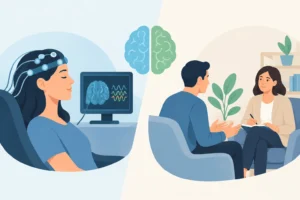
A restless night rarely stays contained to the bedroom. It can show up as a child who cannot settle for school, a professional who loses focus by midafternoon, or an adult who feels more reactive than usual. This sleep optimization therapy guide looks beyond quick fixes to explain how personalized, brain-based care can help support more restorative sleep and steadier daytime functioning.
Sleep is not simply a switch that turns off at bedtime. It is a coordinated process involving the brain, nervous system, stress response, daily routines, physical health, and emotional well-being. When one or more of these systems is out of rhythm, trying harder to sleep can become frustrating. The more helpful question is often: what is keeping the brain and body on alert?
What Sleep Optimization Therapy Actually Means
Sleep optimization therapy is a personalized approach to improving sleep quality, timing, and consistency. Rather than treating every sleep concern as the same problem, it considers the pattern behind it. Someone who wakes at 3 a.m. with a racing mind may need a different plan than someone who falls asleep easily but wakes unrefreshed.
The goal is not to promise perfect sleep every night. Travel, illness, parenting responsibilities, work deadlines, and life changes can all affect sleep. The goal is to help the nervous system become more flexible and regulated, so sleep is less fragile and recovery is more reliable.
A well-rounded plan may include assessment, sleep habit coaching, counseling support, stress-management strategies, and, where appropriate, neurofeedback. For people whose sleep difficulties are connected to anxiety, burnout, attention challenges, low mood, or persistent mental overactivity, this broader perspective can be especially valuable.
Start With the Pattern, Not the Symptom
“I cannot sleep” can describe many different experiences. A thoughtful assessment separates them before recommending a treatment plan.
Trouble Falling Asleep
If you spend a long time awake after getting into bed, mental activation may be part of the picture. Worrying about tomorrow, replaying conversations, scrolling late at night, and irregular sleep times can teach the brain to associate bedtime with alertness rather than rest.
Waking During the Night
Frequent waking can be linked to stress, environmental disruptions, physical discomfort, alcohol, caffeine, hormonal changes, or a nervous system that stays vigilant even when the body is tired. The timing of waking matters. Waking after a loud sound is different from waking every night with a surge of anxious thoughts.
Sleeping Enough but Feeling Unrested
Hours in bed do not always equal restorative sleep. Poor sleep quality may be affected by fragmented sleep, breathing concerns, medication effects, mood symptoms, pain, or irregular circadian timing. Loud snoring, gasping, significant daytime sleepiness, or repeated pauses in breathing should be evaluated by an appropriate medical professional, as these can point to conditions that need medical assessment.
A Schedule That Does Not Match Your Life
Teens, shift workers, frequent travelers, and people with late-night work demands may struggle because their body clock is misaligned with their required schedule. In this situation, simply going to bed earlier may not work at first. A gradual, structured timing plan is usually more realistic.
The Role of Neurofeedback in Sleep Support
Neurofeedback is a non-invasive form of brain training that uses EEG sensors to measure brainwave activity. It gives the brain real-time feedback, helping it practice more regulated patterns over repeated sessions. Think of it as a gym for your brain: the training is gentle, but progress comes from consistency and a program designed around your starting point.
For sleep concerns, neurofeedback may be considered when a person appears stuck in a pattern of hyperarousal. They may feel exhausted but mentally switched on, react strongly to small stressors, or struggle to shift from work mode into rest. By supporting self-regulation, neurofeedback can be a useful part of a broader plan for calming an overactive nervous system.
At Positive Living UAE, a QEEG brain map can help clinicians understand patterns of brain activity and develop a more individualized training protocol. Progress should be reviewed over time through structured check-ins, symptom tracking, and discussion of changes in sleep, mood, energy, and daily performance.
Neurofeedback is not a replacement for medical care, and it is not identical to a sleep study. If there are signs of sleep apnea, severe insomnia, significant depression, trauma symptoms, medication concerns, or another medical condition, coordinated care matters. The best treatment plan depends on the person, their history, and the cause of the sleep disruption.
Build a Sleep Plan That Your Nervous System Can Follow
A sleep plan should feel supportive, not like another performance target. Overly strict rules can create more pressure, especially for someone already anxious about sleep. Start with a few changes that make the strongest difference, then adjust based on what your sleep pattern reveals.
Anchor Your Wake Time
A reasonably consistent wake time is one of the clearest signals you can give your body clock. It does not need to be identical every day, but large swings between weekdays and weekends can make Sunday night especially difficult. Choose a wake time that fits your real responsibilities, then work backward toward a realistic bedtime.
Create a Clear Transition Out of the Day
Many people try to move directly from emails, family demands, or intense entertainment into sleep. The brain often needs a buffer. A 30- to 60-minute wind-down period can include dimmer lighting, a warm shower, gentle stretching, quiet reading, or a brief written plan for tomorrow. The activity matters less than the message: the demanding part of the day is over.
Use Light and Stimulants Intentionally
Morning daylight helps reinforce the body’s sleep-wake rhythm. In the evening, bright light and screens can be stimulating for some people, particularly when paired with work, social media, or emotionally charged content. Caffeine also has a long half-life, so an afternoon coffee may affect a sensitive sleeper long after its energizing effect seems to fade.
This does not mean every person needs to eliminate screens or caffeine completely. It means observing the relationship between these habits and your own sleep. A simple sleep diary can show patterns that memory misses.
Protect the Bed-Sleep Connection
When possible, keep the bed associated with sleep and relaxation rather than work, arguments, or endless scrolling. If you are awake for a long period and becoming frustrated, a quiet activity in low light may be more helpful than staying in bed and watching the clock. Return when you feel sleepy again.
Why Emotional Health Belongs in Sleep Care
Sleep and emotional regulation affect each other in both directions. Anxiety can make the body feel unsafe enough to remain alert. Poor sleep can lower patience, increase worry, and make ordinary problems feel much larger. Depression, grief, trauma, attention difficulties, and burnout can all change the way sleep feels and functions.
This is why an integrated approach can be more effective than focusing only on bedtime habits. Counseling can help address thought patterns, stress, relationship strain, or unresolved experiences that keep the mind active at night. Coaching can support realistic routines and accountability. Hypnotherapy may help some individuals practice relaxation and healthier associations around sleep. Neurofeedback can complement these services by training self-regulation at the brain level.
For children, sleep support should also account for developmental needs, school schedules, sensory sensitivities, and family routines. For seniors, medication changes, pain, health conditions, and daytime activity levels may require closer consideration. Personalized care is not a luxury in sleep treatment. It is often the difference between advice that sounds good and a plan that can actually be sustained.
What Progress Can Look Like
Meaningful improvement is not always dramatic at first. You may notice that you fall asleep a little more easily, wake with less panic, or recover faster after a disrupted night. Parents may see fewer bedtime battles. Professionals may notice clearer thinking and more even energy before they see a major change in total sleep time.
Tracking a few measures can make progress visible: bedtime and wake time, how long it takes to fall asleep, number of awakenings, morning energy, daytime mood, and caffeine use. This information helps a clinician refine the plan rather than relying on guesswork.
Be cautious with any program that guarantees a specific outcome or treats every sleep issue with the same protocol. Effective care should be responsive. Sometimes the right next step is brain training; sometimes it is a medical referral, changes to a daily routine, counseling support, or a combination of approaches.
Better sleep is built through small signals of safety, consistency, and recovery repeated over time. If nights have become a source of dread, compassionate professional support can help you understand the pattern and begin rebuilding rest in a way that fits your life.