A child who cannot settle into homework, a professional who feels wired at night but exhausted by morning, and an athlete seeking steadier focus may all describe “concentration problems.” Yet their brains, stress patterns, sleep habits, and goals can be very different. That is why a personalized neurofeedback treatment plan should begin with understanding the person, not simply matching a symptom to a standard protocol.
Neurofeedback is often described as a gym for the brain. Rather than working a muscle through repetition, it uses real-time EEG feedback to help the brain practice more efficient patterns of activity. The experience is non-invasive, medication-free, and typically relaxing. But meaningful brain training is not one-size-fits-all. The quality of assessment, clinical guidance, progress tracking, and adjustments along the way all matter.
What Makes Neurofeedback Personal?
A personalized plan connects measurable brain activity with real-life concerns. It considers what happens at school, work, home, and bedtime, not just what appears on a screen. For a parent, the priority may be helping a child regulate frustration and stay present in class. For an adult with anxiety, it may be reducing the sense of constant internal alertness. For a high performer, it may be improving mental stamina without sacrificing calm.
Symptoms can overlap while the underlying patterns differ. Difficulty focusing may be related to poor sleep, chronic stress, inefficient attention networks, emotional overload, medication effects, or a combination of factors. A careful clinical process avoids assuming that every restless child has the same needs or that every adult with brain fog needs the same training settings.
Personalization also means setting goals that can be observed. “Feel better” is a valid hope, but it becomes more useful when translated into changes such as falling asleep more easily, finishing tasks with fewer reminders, recovering faster after conflict, having fewer migraine days, or sustaining attention through meetings.
How a Personalized Neurofeedback Treatment Plan Is Built
Start with a thorough consultation
The first conversation should make room for the full picture: current symptoms, health history, sleep quality, stressors, learning or work demands, past treatments, and desired outcomes. For children, input from parents and, when appropriate, teachers can help clarify how challenges show up across settings. For adults, patterns around workload, relationships, screen use, and energy levels often provide valuable context.
This stage is also where expectations should be realistic. Neurofeedback is not an instant switch for every concern, and progress is rarely perfectly linear. Some people notice early changes in sleep, calmness, or mental clarity. Others need more time before improvements become obvious in daily life. A responsible provider explains what the process can and cannot promise.
Use QEEG brain mapping when clinically appropriate
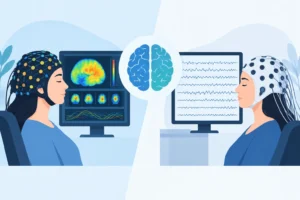
A quantitative EEG, or QEEG, records and analyzes brainwave activity across different areas of the scalp. Think of it as a map that gives practitioners more information about how the brain may be organizing activity at rest. It is not a standalone diagnosis, nor does it replace a medical or psychological evaluation. It is one valuable piece of clinical information.
When combined with a detailed intake, a QEEG can help guide protocol selection. For example, the goal may be to support healthier regulation in areas associated with attention, emotional reactivity, sleep, or cognitive efficiency. The map also gives the care team a baseline that can be revisited as training progresses.
Create protocols around goals and response
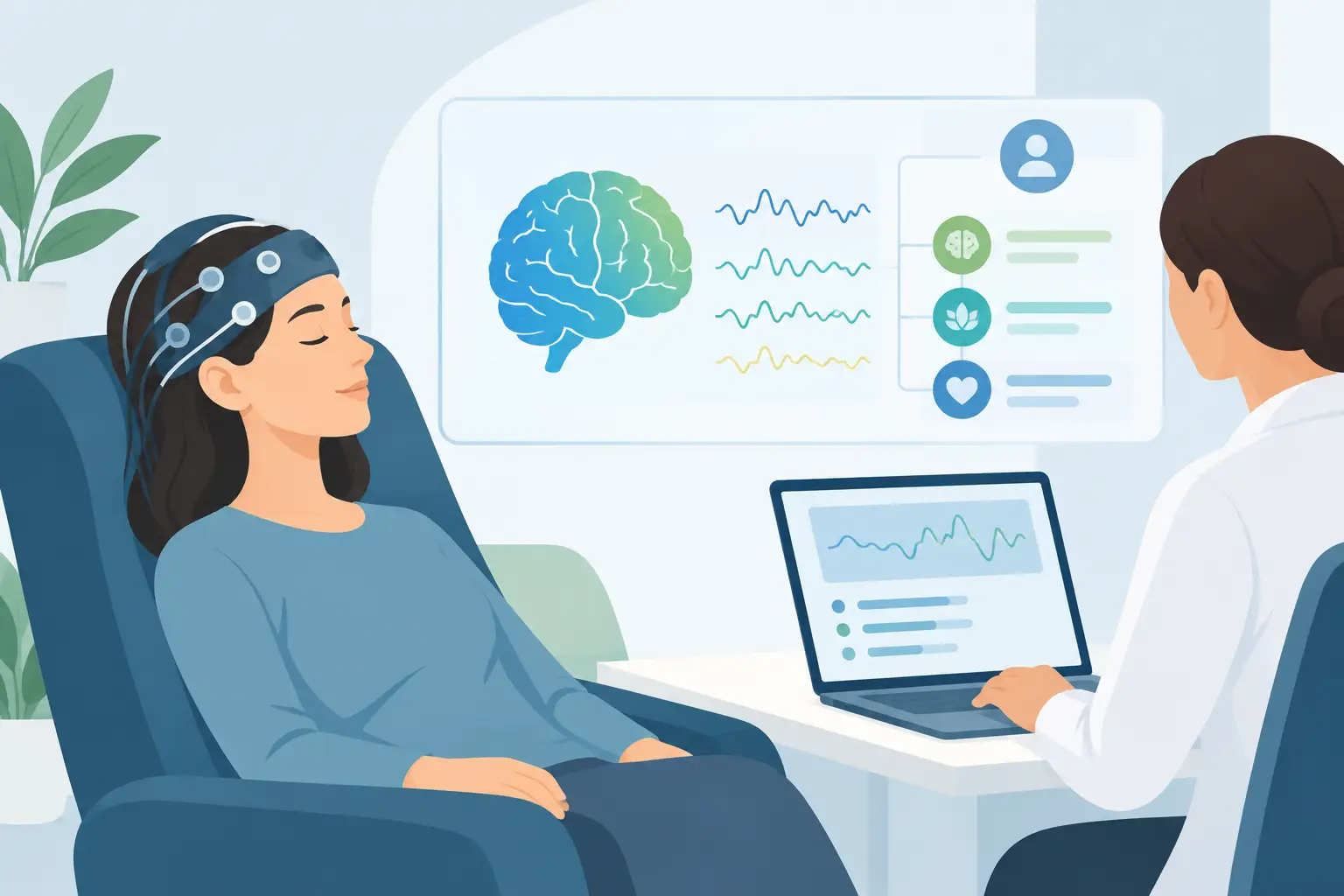
During neurofeedback sessions, sensors placed on the scalp monitor EEG activity. The client may watch a movie, listen to audio, or engage with a visual display. When the brain moves toward the desired pattern, the feedback responds positively. Over repeated sessions, the brain receives opportunities to recognize and practice more regulated activity.
The protocol should reflect the person’s assessment findings and goals, while remaining flexible. A plan designed for a student with ADHD and impulsivity may look different from one for an executive experiencing burnout and disrupted sleep. Someone managing anger may need an emphasis on emotional regulation, while a creative professional may prioritize sustained focus and recovery from mental fatigue.
Track changes beyond the session room
The most meaningful measure of progress is not simply completing a certain number of sessions. It is whether life becomes more manageable. Structured check-ins can track sleep, mood, concentration, behavior, stress tolerance, academic functioning, headaches, or work performance.
For children, a parent may notice fewer emotional meltdowns, smoother morning routines, or greater persistence with assignments. An adult may report less rumination, more consistent energy, or a better ability to pause before reacting. These observations help practitioners decide whether to continue, refine, or reconsider parts of the plan.
Why Adjustments Matter
Brain training is an active process. The nervous system can respond differently as sleep improves, stress changes, or life circumstances shift. A protocol that is helpful at the beginning may need adjustment later to remain aligned with the client’s needs.
This is one reason professional oversight is so valuable. A qualified neurofeedback practitioner monitors comfort, response, and outcomes rather than treating the plan as fixed. If a client reports feeling overstimulated, unusually tired, or emotionally unsettled, the care team should take that feedback seriously and assess the next steps.
Follow-up QEEG assessments may also be used when appropriate to compare changes with the original baseline. Numbers alone do not define success, but objective data can add useful perspective when considered alongside the client’s lived experience.
Neurofeedback Works Best as Part of Whole-Person Care
The brain does not operate separately from the rest of life. Sleep habits, nutrition, movement, emotional support, relationships, workload, and medical conditions all influence nervous system regulation. For this reason, neurofeedback can be especially valuable when it is part of a broader, thoughtful care plan.
Counseling may help a person understand and change the thought patterns or relationship dynamics that fuel anxiety. Coaching can provide practical accountability around routines, goals, and performance. Hypnotherapy may support specific behavioral or emotional goals for some clients. These approaches are not interchangeable, and not everyone needs every service. The right combination depends on the individual.
For example, a burned-out professional may benefit from neurofeedback to support regulation and focus while also learning boundaries and recovery practices through coaching. A child with learning difficulties may need brain training alongside educational support and family strategies. A senior concerned about memory changes should also receive appropriate medical evaluation, especially if symptoms are new, worsening, or affecting daily safety.
Who May Benefit From an Individualized Plan?
Personalized neurofeedback is commonly sought by people dealing with ADHD-related attention challenges, anxiety, sleep disruption, migraines, low mood, anger, burnout, learning difficulties, and cognitive fatigue. It is also used by executives, athletes, and creatives who want to strengthen focus, resilience, and mental performance.
That said, neurofeedback is not the right first step for every situation. Sudden cognitive changes, severe depression, thoughts of self-harm, seizures, psychosis, significant substance use concerns, or acute medical symptoms require timely evaluation by an appropriately licensed medical or mental health professional. Neurofeedback can sometimes be part of coordinated care, but it should not delay needed treatment.
Clients should also ask practical questions before beginning. Who reviews the assessment? How are protocols selected and adjusted? How will progress be measured? What training and credentials does the practitioner have? Is the technology used in a professional clinical setting? Clear answers build trust and help families make informed decisions.
What a Thoughtful Plan Feels Like
A well-designed plan should feel structured without feeling impersonal. You should understand what the sessions are intended to support, how progress will be reviewed, and what to communicate between appointments. You should also feel heard if your priorities change.
At Positive Living UAE, the aim is not to suppress a person’s experience or force the brain into a generic pattern. It is to provide expert-led, compassionate support that helps clients build greater self-regulation, clarity, and confidence over time. The technology matters, but so does the relationship, the assessment, and the willingness to adapt care around the person in front of us.
If you are considering neurofeedback, begin by identifying the daily changes that would make the greatest difference. Those goals can become the foundation for a plan that respects both the complexity of your brain and your capacity for meaningful change.