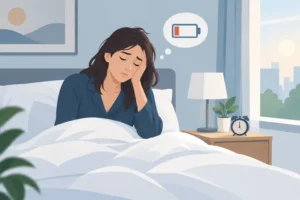
You can be exhausted all day, then feel strangely alert the moment your head touches the pillow. That frustrating pattern is often not a lack of effort or discipline. This insomnia nervous system guide explains why a tired body can remain on high alert and what can help you rebuild a calmer relationship with sleep.
Sleep is not simply something you force by going to bed earlier. It is a state your brain and body need to feel ready to enter. When your nervous system is scanning for problems, replaying conversations, anticipating tomorrow, or reacting to ongoing stress, sleep can feel out of reach even when you desperately need it.
An Insomnia Nervous System Guide Starts With Safety
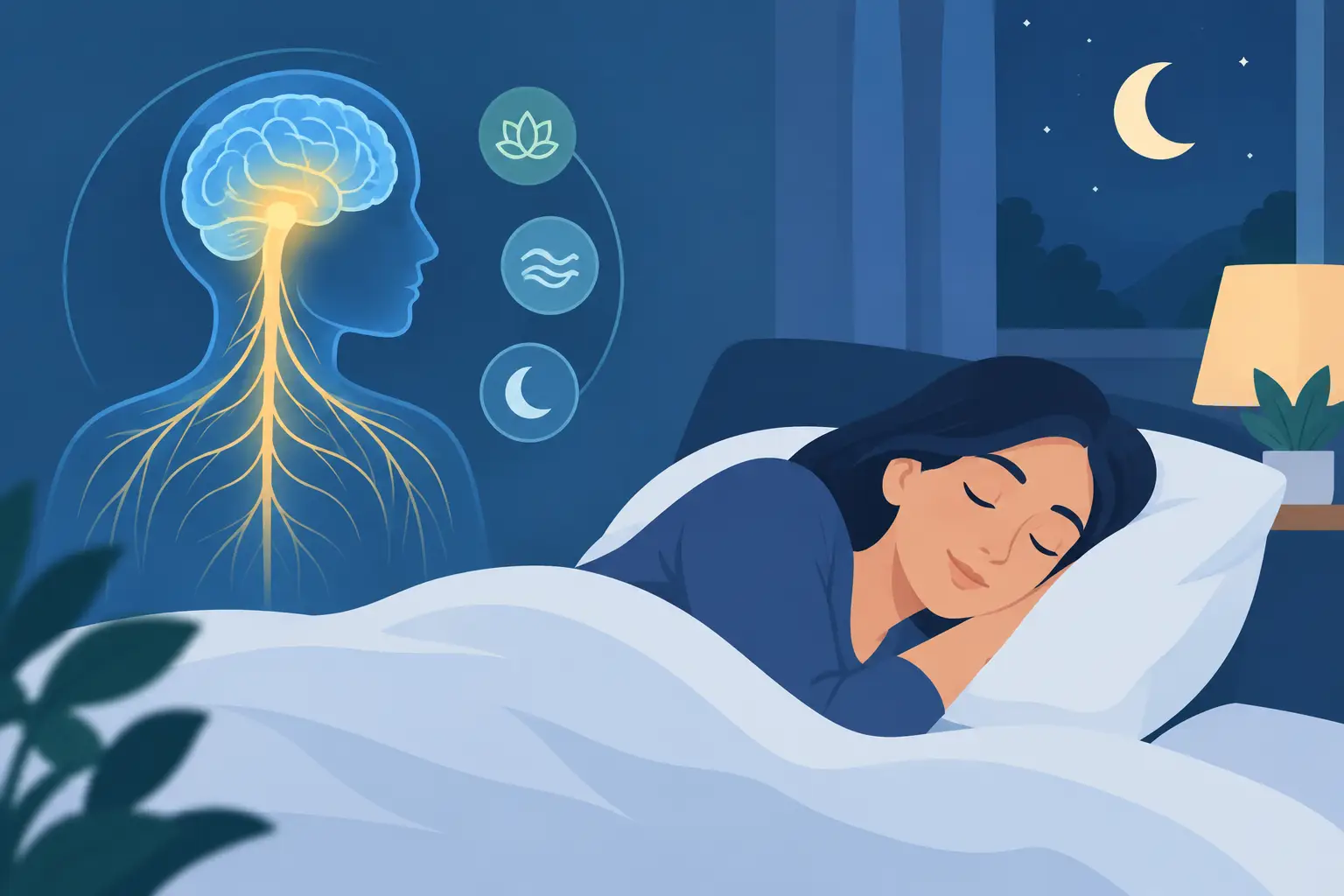
Your autonomic nervous system constantly shifts between activation and restoration. The sympathetic nervous system helps you respond to pressure, deadlines, conflict, pain, and perceived threats. The parasympathetic nervous system supports digestion, recovery, and the settling process that makes restorative sleep more likely.
Neither system is bad. You need activation to work, care for your family, exercise, and respond quickly when necessary. The challenge comes when the activation system stays engaged long after the demand has passed. A body that has learned to stay vigilant may interpret quiet nighttime hours as the moment to process every unfinished task, uncomfortable emotion, or physical sensation.
This is why common advice such as “just relax” can feel dismissive. You cannot reason your way into sleep while your body is signaling that it needs to stay awake. The goal is not to achieve perfect calm on command. It is to give your brain repeated experiences of safety, predictability, and regulation.
What a dysregulated sleep pattern can look like
Nervous system-driven insomnia does not look the same for everyone. One person may fall asleep easily but wake at 3 a.m. with a racing heart. Another may feel wired for hours at bedtime, then struggle to wake for work. Children may resist bedtime, become emotional in the evening, or wake frequently, while older adults may experience lighter sleep alongside health changes, pain, or worry.
Common signs include a racing mind, muscle tension, shallow breathing, feeling jumpy at small sounds, waking unrefreshed, and increasing anxiety about whether sleep will happen. The more someone monitors the clock and calculates the consequences of a poor night, the more sleep itself can become a source of pressure.
That cycle is understandable. It is also changeable with the right support.
Why Your Brain Can Stay Awake When You Are Tired
Insomnia often develops through a combination of biology, habits, health factors, and life circumstances. Stress may be the initial trigger, but the pattern can continue after the stressful period ends. Your brain is designed to learn through repetition. If bedtime repeatedly becomes associated with frustration, alertness, or worry, the brain may begin preparing for those experiences automatically.
Several factors can keep the system activated:
- Chronic work pressure, caregiving demands, grief, relationship conflict, or financial uncertainty
- Anxiety, depression, trauma-related symptoms, burnout, or persistent emotional overload
- Irregular sleep and wake times, late-night work, frequent travel, or long daytime naps
- Caffeine, alcohol, nicotine, certain medications, pain, hormonal shifts, or medical conditions
- A bedroom routine built around scrolling, work messages, clock-watching, and trying too hard to sleep
Not every sleep problem is primarily nervous-system related. Snoring with breathing pauses, severe daytime sleepiness, restless legs, persistent pain, medication effects, and major mood changes deserve medical evaluation. A comprehensive approach does not assume one explanation for every person. It looks for the patterns affecting your specific sleep.
The role of sleep anxiety
Many people with insomnia say the worst part begins before bedtime. They may feel fine in the evening, then notice a sense of dread as the clock moves closer to sleep. This is sleep anxiety, and it can create a self-reinforcing loop: concern about sleeping activates the nervous system, activation delays sleep, and the delayed sleep seems to confirm the concern.
Breaking the loop involves more than positive thinking. It often means changing the conditions around sleep while building better regulation during the day. The brain responds to what it practices repeatedly, not only to what it understands intellectually.
Calming the System Without Making Sleep Another Task
A helpful sleep routine should lower pressure, not become a strict performance test. If a routine feels like a long list you must complete perfectly, it can add another layer of stress. Choose a few practices that are realistic enough to repeat.
Start by protecting a consistent wake-up time most days. A stable morning wake time gives your internal clock a reliable anchor, even after a poor night. Get outdoor light early when possible, move your body in a way that suits your health, and avoid trying to compensate with excessive time in bed.
In the evening, create a transition rather than expecting your brain to switch off instantly. Dim lights, reduce stimulating work and emotionally charged content, and give yourself a short window to write down tomorrow’s tasks. This tells the brain that important thoughts have somewhere to go besides the pillow.
Breathing, gentle stretching, progressive muscle relaxation, or a warm shower can be useful because they create physical cues of downshifting. However, these tools work best when approached with curiosity rather than urgency. Try telling yourself, “I am giving my system a chance to settle,” instead of, “This has to make me sleep now.”
If you are awake for a long time and becoming frustrated, it can help to leave the bed briefly and do something quiet in low light until you feel sleepier. This protects the association between bed and rest rather than allowing the bed to become a place for mental battles.
How Neurofeedback May Support Sleep Regulation
For some people, lifestyle adjustments and counseling are enough to improve sleep. For others, persistent hyperarousal, anxiety, attention difficulties, trauma-related stress, or burnout may make it harder for the brain to shift out of high gear. This is where a personalized brain-based approach may be considered.
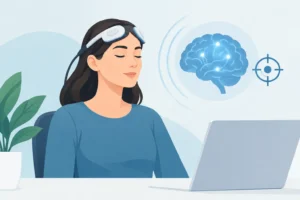
Neurofeedback is a non-invasive form of brain training that uses EEG technology to observe brain activity in real time. During training, the brain receives feedback that encourages healthier, more regulated patterns. Think of it as a gym for your brain: repeated practice can support the networks involved in attention, emotional regulation, and recovery.
It is not a sedative, and it should not be presented as an overnight cure for insomnia. Progress varies based on the underlying drivers of sleep disruption, consistency of training, coexisting health concerns, and daily habits. Yet for appropriate clients, neurofeedback can be a valuable part of a wider plan focused on nervous system regulation rather than temporary symptom suppression.
At Positive Living UAE, a QEEG brain map can help practitioners understand an individual’s brain activity patterns before creating a personalized training protocol. Structured progress reviews and symptom tracking allow the plan to be adjusted based on real changes, not guesswork. When appropriate, neurofeedback can be integrated with counseling, coaching, and other supportive approaches so that emotional patterns and daily stressors are addressed alongside brain training.
What personalized care should include
Quality insomnia support begins with listening. A practitioner should ask about your sleep schedule, stress load, health history, medications, mood, daily functioning, and goals. For a child, that also means considering school demands, learning challenges, family routines, and emotional development. For a high-performing professional, it may mean looking closely at burnout, constant connectivity, and the inability to mentally disengage after work.
A thoughtful plan sets realistic expectations. Better sleep may first show up as less bedtime dread, fewer awakenings, improved morning energy, or a greater ability to recover after a stressful day. These changes matter because they indicate the system is becoming more flexible.
When to Seek Additional Support
Do not ignore severe or persistent sleep disruption. Speak with a qualified health professional if insomnia lasts for weeks, affects your safety or ability to function, or comes with breathing difficulties during sleep, intense depression, panic, unusual behavior, or thoughts of self-harm. In those situations, prompt medical and mental health support is essential.
For ongoing but less urgent concerns, a professional assessment can help you separate temporary sleep disruption from a more established pattern. The right care plan may include medical evaluation, behavioral sleep strategies, emotional support, nervous system regulation work, or a combination of these approaches.
A restless night does not mean your body has failed you. It may be communicating that it has been carrying too much alertness for too long. With patient, individualized support, your nervous system can learn that nighttime is no longer a time to stay on guard – it can become a place to rest.