Mental health therapy can help people understand their emotions, manage stress, and improve their overall well-being. Many people think therapy only means talking about problems, but there are actually several different types of therapy. Each approach focuses on different ways to support the mind and emotional health.
The right type of therapy depends on a person’s needs, experiences, and goals. Some therapies focus on changing thought patterns, while others help regulate the brain or strengthen relationships. Understanding the different options can make it easier for someone to find the support that works best for them.
Psychotherapy (Talk Therapy)
Psychotherapy, often called talk therapy, is one of the most common forms of mental health treatment. In this type of therapy, a person talks with a trained therapist about their thoughts, feelings, and life experiences.
The goal of talk therapy is to help people better understand themselves and learn healthier ways to cope with challenges. Many people use this type of therapy to manage anxiety, depression, stress, or relationship problems.
Through regular conversations, individuals can explore patterns in their thinking and behaviour. Over time, this process can help them develop new strategies for handling difficult emotions and situations.
Cognitive Behavioural Therapy (CBT)
Cognitive Behavioural Therapy, often called CBT, focuses on the connection between thoughts, feelings, and behaviours. This approach helps people recognise negative thinking patterns that may affect their mental health.
For example, someone might often assume the worst in situations or criticise themselves harshly. CBT helps individuals identify these thoughts and replace them with more balanced and realistic ones.
This type of therapy is commonly used to treat anxiety disorders, depression, and stress-related conditions. It is structured and goal-oriented, which helps many people see progress over time.
Family and Couples Therapy
Mental health challenges can sometimes affect relationships with family members or partners. Family and couples therapy focuses on improving communication and strengthening relationships.
During these sessions, the therapist works with multiple people at the same time. The goal is to help everyone better understand each other’s feelings and perspectives.
This type of therapy can help resolve conflicts, improve trust, and create healthier communication patterns. It is especially helpful when stress or emotional challenges begin affecting relationships at home.
Group Therapy
Group therapy brings together a small group of people who may be experiencing similar challenges. These sessions are guided by a trained therapist and provide a supportive environment where individuals can share their experiences.
Many people find comfort in hearing that others face similar struggles. This shared understanding can reduce feelings of isolation.
Group therapy also helps people practice communication skills and learn from the coping strategies of others in the group.
Neurofeedback Therapy
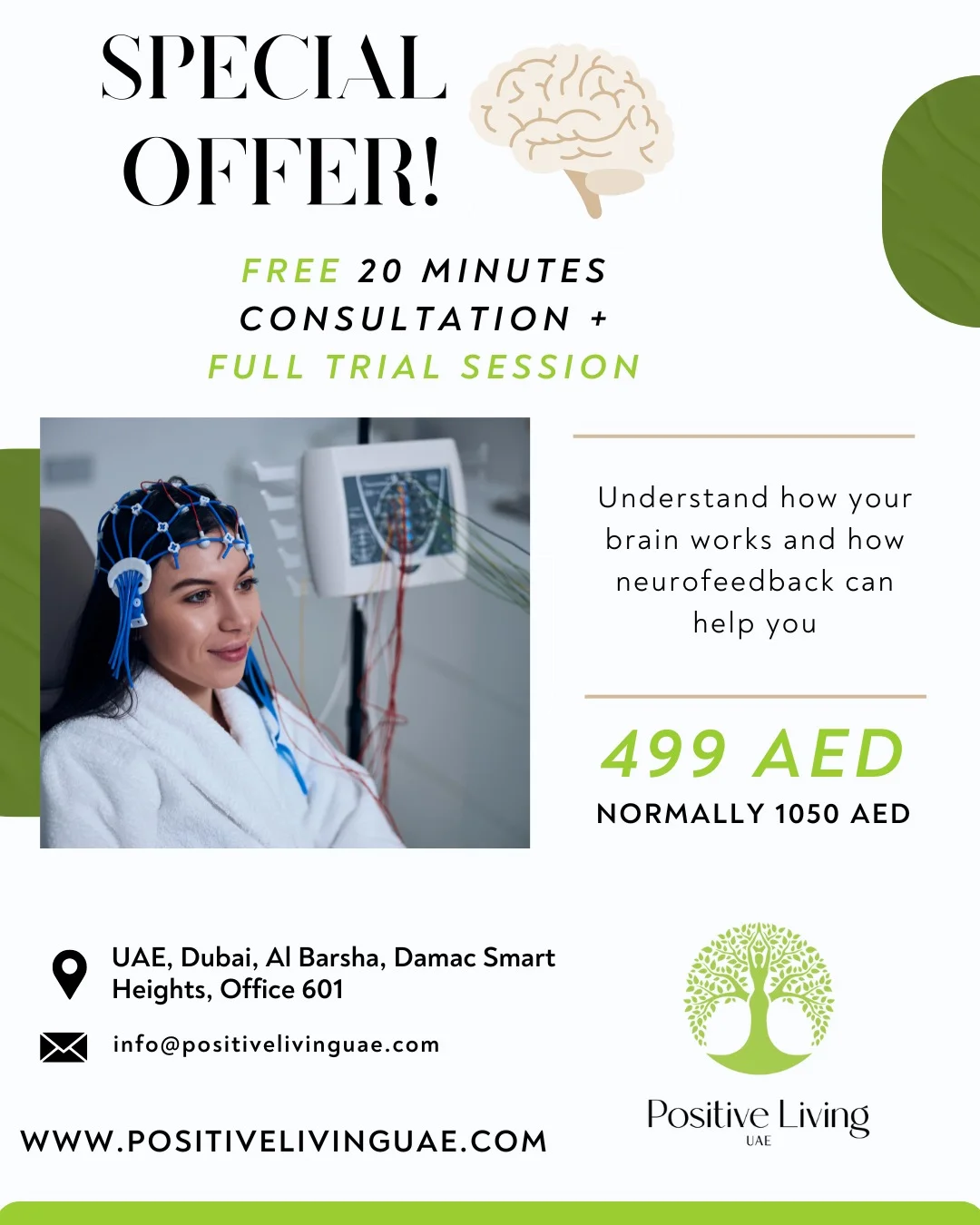
Neurofeedback therapy is a modern approach that focuses on the brain itself. It uses technology to monitor brain activity and help individuals learn how to regulate their brain patterns.
During a neurofeedback session, sensors are placed on the scalp to measure brain activity. The person receives feedback through visual or audio signals, which helps the brain learn healthier patterns.
This therapy is often used to support people dealing with anxiety, stress, sleep issues, or attention difficulties. Over time, neurofeedback may help the brain improve focus, emotional regulation, and overall mental balance.
Mindfulness-Based Therapy
Mindfulness-based therapy helps people become more aware of their thoughts and feelings without judging them. It encourages individuals to focus on the present moment instead of worrying about the past or future.
This type of therapy often includes breathing exercises, meditation, and relaxation techniques. These practices help calm the nervous system and reduce emotional tension.
Mindfulness-based approaches can be helpful for managing stress, anxiety, and emotional overwhelm. Many people also find that mindfulness improves their ability to handle daily challenges more calmly.
Holistic and Integrative Therapy
Holistic therapy looks at the connection between the mind, brain, and body. Instead of focusing on just one symptom, this approach considers a person’s overall well-being.
Holistic therapy may combine several methods, such as counselling, mindfulness practices, and brain-based therapies. The goal is to support mental and physical balance at the same time.
This approach recognises that mental health is influenced by many factors, including lifestyle, stress levels, and personal experiences.
Choosing the Right Type of Therapy
There is no single therapy that works for everyone. What helps one person may not be the best fit for someone else.
The most important step is finding a qualified mental health professional who can understand your needs and guide you toward the right treatment approach. Sometimes therapists combine different methods to create a personalised plan.
With the right support, therapy can help people gain clarity, build emotional resilience, and improve their quality of life.
How We Can Help You
At Positive Living UAE, we believe everyone deserves the right support to achieve better mental and emotional well-being. With the right combination of therapies and personalised care, individuals can build resilience, manage stress, and create a healthier, more balanced life.
If you’re looking for professional mental health support, our team at Positive Living UAE is here to help. Reach out today to learn more about our therapy services and take the first step toward a calmer and more confident you.