Blogs

Bullying, Body Image and Burnout: How Counsellors Help Teens Heal and Grow

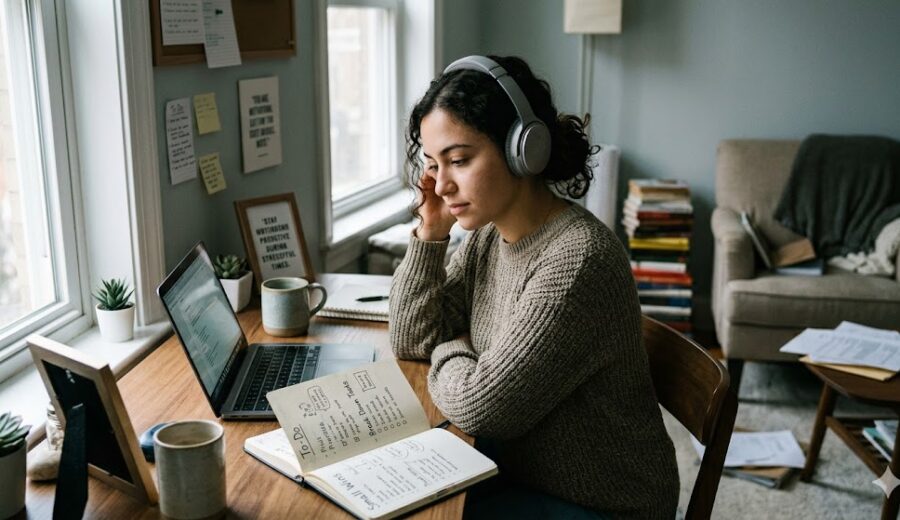
Life for teenagers in Dubai moves fast. Between juggling studies, social media, and cultural crossroads, many young people face invisible struggles, bullying that cuts deep, body image worries shaped by endless scrolling, and burnout that leaves them feeling numb. Around the world, one in three teens experiences bullying, and nearly half say social media hurts their mental health. In the UAE, it’s no different: 47% of students report being bullied, and 81% feel overwhelmed by pressure. These challenges often spiral into anxiety, isolation, and self-doubt. But help exists. Adolescent therapy and youth mental health counselling in Dubai are giving teens the tools to heal, rebuild confidence, and find balance again.

Bullying, Body Image, and Burnout in Teens

Adolescence is a crucible of growth, yet in today’s hyperconnected world, teens in the UAE and beyond grapple with amplified pressures that distort self-perception and drain resilience. From classroom taunts to filtered feeds and relentless study schedules, these issues interconnect, fostering a silent crisis where 70% of UAE teens cite academic stress as a primary stressor. Understanding their depth reveals why proactive counselling for teens is not optional but essential for breaking the cycle and nurturing lasting well-being.

Bullying

Bullying chips away at a teen’s sense of self. In the UAE, nearly half of private school students have faced it in the past year, and most of it happens through words or exclusion. Parents report even higher numbers, saying their kids have been targeted. In a city where schools mix dozens of cultures, misunderstandings can quickly turn harmful. The result? Anxiety, poor grades, and loneliness. Teenage mental health support helps reverse this by rebuilding self-worth and teaching assertiveness, helping teens separate their identity from what others say.

Body Image Battles

Social media paints an impossible picture of “perfect.” Studies show 40% of teens feel worse about their looks after being online, and in the UAE, where screen time averages 2.5 hours a day, that impact runs deep. By elementary school, half of the girls already feel unhappy with their bodies, and one in four boys thinks he’s “too thin.” Over time, this pressure feeds low confidence or disordered eating. Teen counselling UAE helps reframe these thoughts using compassion-based techniques, guiding young people to appreciate their bodies for what they can do, not just how they look.

Burnout

Teens here often juggle demanding academics, sports, and social expectations. Globally, 81% report feeling constant pressure, and a lot of UAE students tie stress directly to school. Burnout shows up as fatigue, irritability, and disinterest, signs that often go unnoticed. Left untreated, it triples the risk of anxiety. Counsellors teach balance, mindfulness, and realistic goal-setting so teens can push forward without losing joy.

How Therapy Helps Teens Rebuild

Teen counselling is about equipping young people with coping tools that last a lifetime. Studies show 70–80% of teens in therapy report improvements in mood, focus, and self-esteem. In Dubai’s diverse community, therapists combine evidence-based care with cultural understanding, creating a safe space where teens can open up and feel heard.

Healing from Bullying: Reclaiming Confidence

Therapists often use different methods to help bullied teens rewrite internalised guilt and fear. Studies show this can cut anxiety by half. Trauma-informed methods teach emotional regulation and boundary-setting, helping teens trust again and reconnect socially. For many, that’s the first real step toward empowerment.

Rebuilding Body Image: Learning to Like the Person in the Mirror

For body image struggles, therapists use approaches like Acceptance and Commitment Therapy (ACT), which encourages self-acceptance and mindful detachment from unrealistic standards. Group sessions and creative outlets like art can boost self-esteem by up to 40%. Over time, teens begin to see themselves as strong and capable, not just “not enough.”

Beating Burnout: Finding Purpose Again

Therapists combine mindfulness and time-management coaching to help teens recover from burnout. Research shows stress can drop by 50% with consistent sessions. Counselling teaches that rest is not weakness but a form of growth, often involving families to build lasting support systems. By integrating family dynamics, therapy builds support networks, enhancing engagement and sleep, and building consistency where teenage mental health support helps turn these into an opportunity for further growth. 

Teen Counselling at Positive Living UAE

At Positive Living UAE, therapy for teens aged 13–18 focuses on real-life challenges like bullying, social pressure, and academic stress. Using gentle tools like RTT Hypnosis and NLP, and under the guidance of certified therapists, we help young clients rebuild confidence and emotional strength without medication. Sessions also involve parents, ensuring support continues at home. Teens leave with stronger resilience, better communication, and a clearer sense of who they are.
In a city that celebrates success, it’s easy for teens to forget that their worth isn’t tied to grades, looks, or popularity. But healing is possible, with the right guidance. Teen counselling i in Dubai offers a safe space to turn pain into strength, helping young minds rediscover confidence, clarity, and calm. Because every teen deserves to grow and not just survive.

How to Choose the Best Hypnotherapist in Dubai for Your Mental Wellness Journey

Dubai runs on energy, skyscrapers that stretch into the clouds, careers that move fast, and a lifestyle that never seems to slow down. But for many, that same drive comes with the cost of their peace of mind. Around 15% of people in the GCC, including plenty in the UAE, face mental health struggles each year. As the country’s mental health market reaches about US$149 million in 2025, new approaches like hypnotherapy are stepping up to help people regain balance in the middle of the rush. Whether you are managing anxiety or simply trying to grow into your best self, finding the right hypnotherapist in Dubai can make all the difference.

Understanding Hypnotherapy’s Place in Dubai’s Wellness Scene

In a city filled with ambition and cultural diversity, stress often creeps in unnoticed. Hypnotherapy offers a gentle way to reach the subconscious mind, addressing the root of emotional blocks instead of just treating the surface. Globally, this field is booming, expected to grow from USD 15.68 billion in 2024 to over USD 131 billion by 2032. The UAE is following suit, with alternative and holistic medicine growing by more than 25% annually. It’s no surprise people are turning to something that blends science, relaxation, and self-awareness, without relying on medication.

How Hypnotherapy Helps with Anxiety and Stress

For many professionals in Dubai, anxiety has become a quiet companion. Hypnotherapy Dubai helps by retraining thought patterns deep in the mind. A study showed that it can reduce anxiety symptoms by up to 50%, and local clinic clients feel more emotionally balanced after a few sessions. Most people notice better sleep, calmer thoughts, and sharper focus after 4–10 visits. The guided imagery and relaxation techniques often work as well as mindfulness, giving busy expats tools to reset in a hectic city.

Healing Depression and Self-Doubt

Hypnotherapy Dubai also shows promise for lifting depression and rebuilding self-esteem. Research suggests 60–70% of people experience mood improvements when hypnotherapy is combined with cognitive tools. In the UAE, where depression rates range from 12–28%, this approach offers hope for those feeling disconnected or lonely. Sessions usually last 45–60 minutes and focus on positive visualization, helping clients strengthen confidence and emotional intelligence for everyday relationships.

Why It Fits Dubai’s Lifestyle

Dubai’s wellness ecosystem, bolstered by initiatives like the Mental Wealth plan, integrates hypnotherapy into holistic care, appealing to a diverse populace where one in eight globally, and proportionally in the UAE, navigates mental disorders. As stigma wanes, with 70% of UAE millennials prioritising mental health in 2025 surveys, Hypnotherapist UAE services bridge cultural gaps, offering bilingual, flexible options for seamless integration into busy lives.

Essential Qualities of the Best Hypnotherapist in Dubai

Choosing the best hypnotherapist in Dubai boils down to attributes that combine expertise with empathy, ensuring a safe space for vulnerability. In a field where rapport drives outcomes, prioritise practitioners who demonstrate professionalism amid varied client needs. These traits not only enhance session efficacy but also align with your unique wellness goals.

Credentials and Ongoing Education

Seek certifications from bodies like the National Guild of Hypnotists or International Practitioners of Holistic Medicine, verifying ethical standards and advanced training in clinical hypnosis. In the UAE, where regulations emphasize continuous professional development, top hypnotherapists in Dubai commit to annual updates, incorporating 2025 advancements like integrated RTT for rapid transformations, essential for evidence-based results without outdated methods.

Specialisation and Proven Track Record

Experience matters, so aim for someone with 5-10 years of handling issues like anxiety or phobias, with specialisation in your concern, such as regression for trauma or suggestion therapy for habits. Review client testimonials and request success metrics, like resolution rates in similar cases, to gauge real-world impact in a multicultural context.

Empathy, Rapport, and Cultural Sensitivity

The hallmark of excellence is a therapist who listens actively, fostering trust through non-judgmental empathy. Look for those offering free consultations to assess comfort, as a strong therapeutic alliance boosts hypnosis depth by 50%, per studies, ensuring sessions feel collaborative rather than directive.

Steps and Questions for Your Selection Process

Smart Questions to Ask Before You Commit

Before starting, ask:

  • What certifications do you hold, and how do you keep them current?
  • How many sessions do clients usually need for my concern?
  • How do you adapt therapy for different cultural backgrounds?

Real professionals will give clear, realistic answers depending on the issue. Be wary of anyone promising instant results or demanding full payment up front

Red Flags and Practical Considerations

Beware of guarantees, because hypnotherapy isn’t one-size-fits-all, or those lacking insurance and references, as ethical codes mandate transparency. In Dubai, favour established clinics over home setups for security, and clarify policies on cancellations and online options, given the city’s traffic. Budget for packages, but avoid upfront full payments without trial sessions, prioritising value over low fees that may indicate inexperience.

Hypnotherapy at Positive Living UAE

Positive Living UAE exemplifies thoughtful hypnotherapy integration, offering clinical hypnosis certified by the National Guild of Hypnotists and IPHM to address anxiety, depression, and self-doubt through subconscious breakthroughs. Our approach, including RTT for rapid belief shifts, supports Dubai residents in cultivating emotional intelligence and relational harmony, all within a holistic framework that complements your mental wellness journey.

As Dubai’s focus on wellness grows stronger, choosing the best hypnotherapist in Dubai becomes less about fixing problems and more about discovering your true potential. With the right guidance, hypnotherapy can turn mental strain into self-awareness and empowerment. Your mind already holds the answers; you just need someone to help you unlock them.

The Future of Mental Wellness in Dubai: Why Neurofeedback Is Gaining Ground

Dubai’s skyline doesn’t just show off bold architecture; it mirrors the people who live here, balancing intense jobs and big dreams in a city that never slows down. As mental wellness becomes more of a priority, new solutions are taking shape. With the UAE’s well-being index climbing to 70% in 2025 and the mental health market hitting USD 13.1 billion, it’s clear that people are ready for modern approaches. One of the most promising? Neurofeedback therapy, a gentle, tech-driven way to train your brain without medication. It’s becoming a quiet revolution in how Dubai approaches mental care.

The Changing Mental Health Scene in Dubai

Dubai’s mental health awareness is moving fast, backed by strong government plans like the AED 105 million Mental Wealth initiative. The local market is expected to grow nearly 9% every year until 2033. But behind the numbers are real people; about one in five adults here struggles with anxiety, stress, or low mood. As more conversations open up and stigma fades, neurofeedback treatment in Dubai is stepping forward as a real, practical option for healing.

Awareness, Investment, and Hope

The UAE isn’t standing still. The Ministry of Health recently introduced a national program that brings mental health care into primary clinics by 2025. With anxiety and depression ranking among the top causes of poor health, it’s no surprise that residents are finally prioritising their minds. A growing sense of openness has fueled a 70% jump in national well-being from 2024 to 2025. That shift makes neurofeedback therapy in the UAE an ideal companion for those who want to manage stress naturally in a high-performance environment.

Why Traditional Methods Don’t Always Cut It

Medication and talk therapy help many, but not everyone. Studies show that many people don’t get full relief, or they face side effects like fatigue or dependency. For Dubai’s largely expat population, those barriers can feel even bigger due to cultural differences or frequent relocations. Neurofeedback offers something different: a non-invasive way to target the source of imbalance rather than just the symptoms.

Neurofeedback in Simple Terms

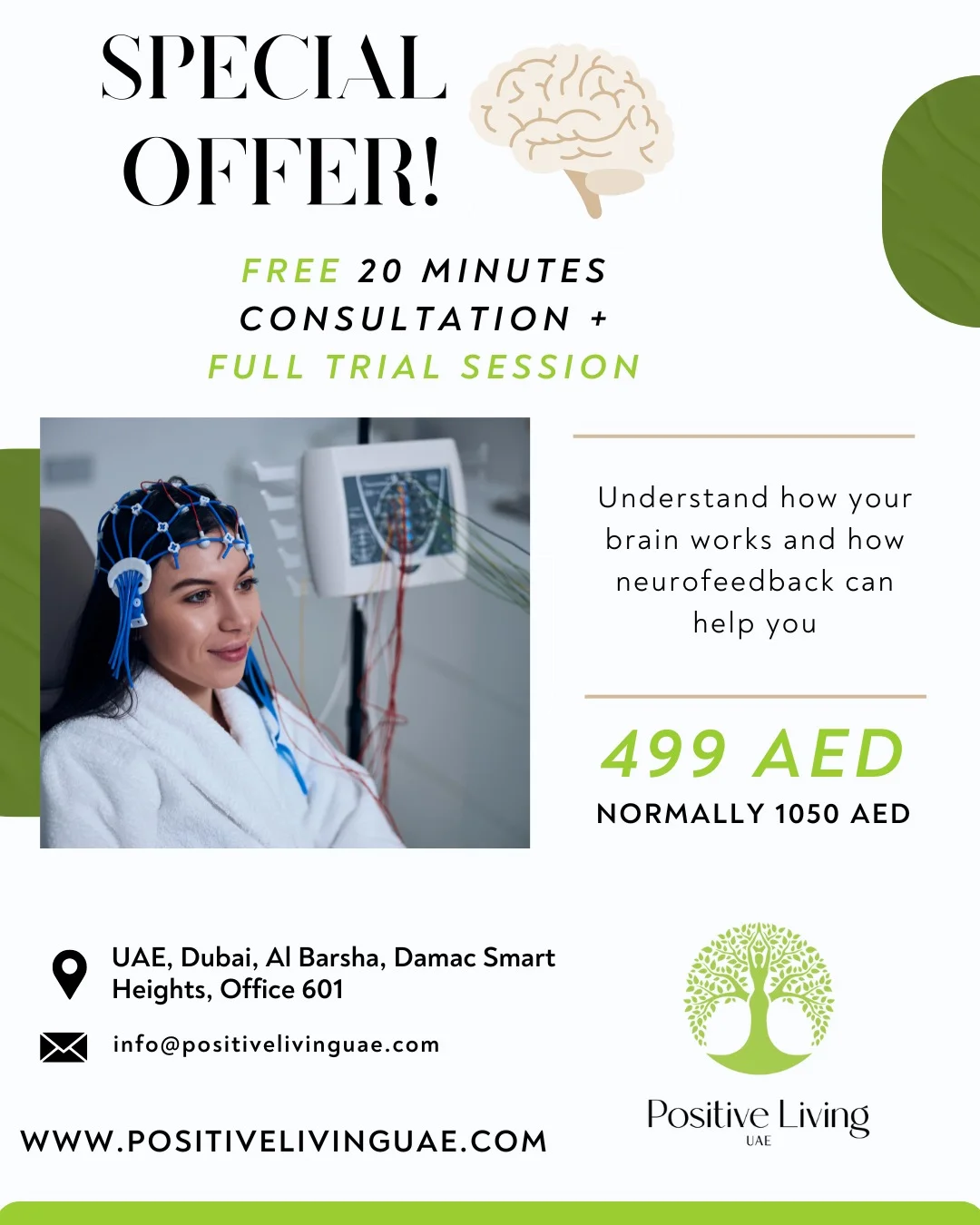
Think of neurofeedback as fitness training for your brain. Using EEG sensors, therapists watch how your brainwaves behave and gently guide them toward balance using visual or audio feedback. Over 10 to 20 sessions, your brain learns to self-correct, building healthier patterns through neuroplasticity. It’s painless, medication-free, and backed by studies showing real, measurable improvements in mood and focus.

What It Helps With

Research keeps confirming its benefits. A 2024 study showed neurofeedback for anxiety cut symptoms nearly in half, while a 2025 review found major boosts in emotional stability for people facing depression. Unlike quick fixes, it teaches your brain to manage itself, ideal for Dubai residents under constant pressure to perform and stay composed.

Why Dubai Is the Perfect Fit

This city thrives on innovation, and neurofeedback fits right in. With its data-driven precision and short, 30–45-minute sessions, it aligns perfectly with Dubai’s lifestyle. Many clinics now offer it for anxiety, ADHD, PTSD, and sleep issues, seeing retention rates as high as 70%. Whether you are an overworked executive or a parent juggling it all, neurofeedback makes a mental reset both convenient and effective.

Inside Positive Living UAE’s Approach

At Positive Living UAE, our certified therapists bring neurofeedback to life in a welcoming, science-backed setting. Using FDA-approved technology, sessions begin with a QEEG brain map that identifies your unique patterns. Then, through interactive feedback, clients learn to retrain their minds for calm, focus, and better emotional balance. With 10–20 sessions, many report real relief from anxiety, depression, ADHD, and more, all without medication or side effects.

Looking Ahead

As Dubai continues to redefine well-being, neurofeedback stands out as more than just another therapy. It’s a mindset shift, a move toward understanding and mastering our own brains. The future of mental wellness here is all about thriving. So whether you are battling anxiety, burnout, or the weight of constant pressure, Neurofeedback Therapy in the UAE invites you to take charge and see what a clearer, calmer tomorrow can feel like.

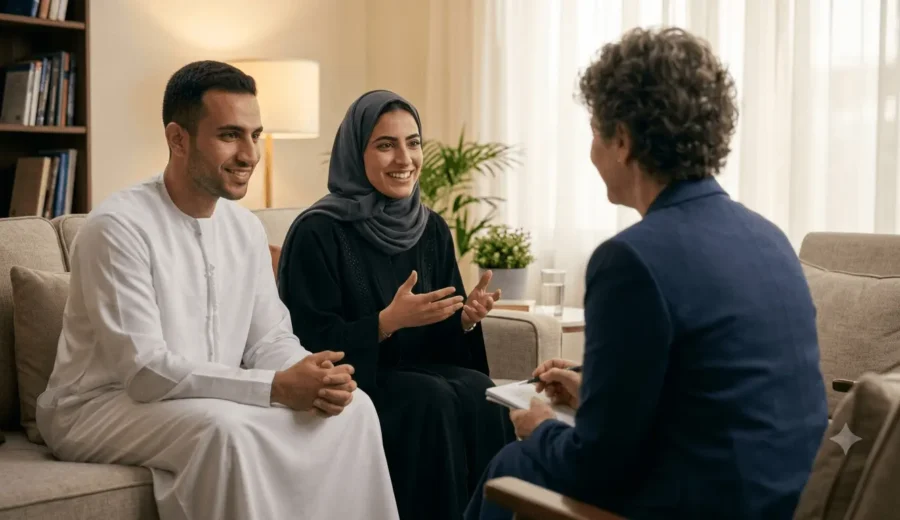
Balancing Career, Family, and Love: Why Modern Dubai Couples Need Therapy

Dubai symbolises ambition and opportunity, drawing over 88% of its population as expats chasing dreams in one of the world’s fastest-growing economies. Yet, beneath the glamour, modern couples juggle relentless career pressures, multicultural family responsibilities, and fading romantic sparks, contributing to a UAE divorce rate of 2.4 per 1,000 people. This figure underscores the toll of this high-octane lifestyle. As relationships strain under these weights, why couples need therapy becomes not just a question, but a lifeline. Let’s explore the unique challenges facing couples in Dubai and how Couple Therapy UAE can help weave harmony back into their life.

The Pressures of Modern Life on Relationships

Dubai’s allure as a global crossroads amplifies relational strains, where long hours in finance, tech, or hospitality clash with family obligations and the quest for intimacy. Couples increasingly recognise how these dynamics erode connection, prompting a turn toward therapy for couples in the UAE for a sustainable lifestyle.

Career Demands in a Global Hub

Dubai’s economy, fueled by innovation and 24/7 operations, often means spouses logging 50-60-hour weeks, leaving scant room for shared evenings or spontaneous dates. A 2025 survey highlights that 65% of expats in the UAE report work-life imbalance as a top stressor, forcing feelings of isolation even in a city teeming with life. For ambitious professionals, promotions and relocations can spark mismatched priorities, creating resentments that relationship counselling in Dubai helps tackle before they fester.

Family Dynamics in Expat Communities

Raising multicultural families far from extended support networks adds layers of exhaustion, with expat parents in Dubai navigating school runs, visa renewals, and cultural adjustments.. Recent data shows that 70% of UAE families lack local kin, intensifying childcare burdens and leading to burnout, where one partner’s fatigue spills into irritability at home. These dynamics shift couples, also influence emotional bonds, and highlight the value of expat couples therapy in Dubai to rebuild teamwork and empathy.

Nurturing Love Amid the Chaos

In the midst of brunches, board meetings, and bedtime stories, romance often slips to the background, with couples reporting a 40% drop in intimacy after the first child in high-pressure environments like Dubai. Social media’s curated perfection amplifies guilt over “imperfect” partnerships, leading to rifts. Yet, efforts like rediscovering shared hobbies paved the way for deeper understanding, a foundation that Couples Counselling Dubai strengthens through guided reconnection.

Signs That Your Relationship Needs Professional Support

During career and family growth happen simultaneously, there is always the chance that subtle cracks can widen, signalling it’s time for intervention. In Dubai’s expat scene, where 30% of couples cite relocation stress as a relational trigger, ignoring these cues risks escalation. Recognising them early allows couples to seek Couple Therapy Dubai, preventing breakdowns and building growth.

Communication Breakdowns

It’s funny how easy conversations used to be in the beginning, late-night chats about dreams or silly things that made you both laugh. These days, though, most talks revolve around who’s picking up groceries or putting the kids to bed. Around 55% of couples say the same thing after becoming parents: meaningful talks just fade away.

In Dubai’s multicultural homes, differences in language or upbringing make this even trickier. Misunderstandings pile up until frustration takes over. That’s where Best Couples Therapy UAE steps in, teaching couples how to really listen and speak from the heart using simple “I” statements that rebuild empathy and connection.

Emotional Distance and Loneliness

It’s tough when you start feeling more like roommates than partners. One stays out late working while the other ends up scrolling through their phone alone, just like the 48% of expats in the UAE who admit to feeling emotionally cut off despite busy lives.

Physical closeness slips away too, often replaced by exhaustion and quiet resentment. Over time, those small things turn into walls. Couples therapy helps break those walls down, creating space for vulnerability again, so both partners can feel seen, supported, and close once more.

Building Resentment and Unmet Expectations

When one person carries most of the load, whether it’s parenting, housework, or emotional labor, it quietly builds resentment. Research shows this kind of imbalance leads to 60% of divorces, especially among career-focused couples.

In Dubai, where many women juggle work and home amid shifting cultural norms, it hits even harder. Couple Therapy UAE helps partners recognise these imbalances early and turn tension into teamwork instead of letting it fester.

How Couples Therapy Restores Harmony in Busy Lives

Therapy isn’t a sign of trouble; it’s more like a navigation system for relationships under pressure. With studies showing 70–80% of couples improving through therapy, it’s no wonder so many Dubai couples are giving it a chance. The process combines structure with understanding, helping partners balance ambition, love, and family without losing each other in the rush.

Benefits Backed by Research

New findings in 2025 show that therapy can increase relationship satisfaction by up to 70%, strengthen communication, and cut divorce risks by half. For parents, it’s about finding ways to mix affection with the everyday challenges, like setting aside regular “us-time” to reconnect. In a fast-paced life, therapy also eases burnout and boosts emotional health. Nearly every couple who tries it reports some kind of positive shift.

Tailored Approaches for UAE Couples

From Imago dialogue that deepens empathy to CBT techniques that help break unhelpful patterns, therapy in Dubai adapts to its diverse audience. Sessions might include role-playing reconnection moments or aligning parenting goals. With flexible scheduling and online options, it fits right into Dubai’s fast, global lifestyle, no extra stress needed.

Conscious Couple Therapy at Positive Living UAE

Positive Living UAE stands out for its Conscious Couple Therapy. Led by certified therapist Luz Maria Villagras Surco, it uses the Imago method to help partners see beyond surface conflicts and heal emotional wounds with compassion. These sessions focus on rebuilding trust, setting healthy boundaries, and bringing authenticity back into the relationship. Many couples leave feeling more grounded, patient, and genuinely connected, ready to balance career, family, and love again.

As the Dubai skyline glows at sunset, it’s worth remembering that love is teamwork, not a solo effort. Choosing the Best Couples Therapy UAE isn’t giving up and rather, it’s choosing to grow together. Whether you are locals or expats, one honest conversation might just bring you back to where it all began.

Meet the Best Hypnotherapists in Dubai: Qualities to Look for and Questions to Ask

Our modern way of life has raised mental health challenges around the world, including in Dubai. Mental health challenges like stress and anxiety affect around 57% of residents, according to a 2020 study that continues to highlight ongoing needs in 2025. As the UAE’s mental health market surges toward USD 13.10 billion in 2024 with a projected 8.92% annual growth through 2033, more individuals are turning to innovative therapies like hypnotherapy in Dubai for relief. Clinical Hypnosis Dubai offers a gentle yet powerful path to subconscious healing, addressing root causes without medication. This guide is aimed to provide you with the right knowledge so that you can select a Hypnotherapist in Dubai who aligns with your journey. 

Why Seek Hypnotherapy in the UAE?

Dubai’s expat culture and high-pressure environment have been a leading cause of stress and other related challenges, making therapies like Rtt Hypnosis Therapy UAE increasingly vital for emotional resilience. With global demand for hypnotherapy exploding, the market is valued at USD 12.16 billion in 2023 and forecasted to reach USD 80.76 billion by 2030, locals and visitors alike are discovering its role in finding mental clarity. By tapping into the subconscious, hypnotherapy provides tools for lasting change, particularly in a region where mental wellness initiatives like Dubai’s AED 105 million Mental Wealth plan underscore growing awareness.

Benefits for Anxiety and Stress Management

Hypnotherapy excels in calming the overactive mind, with studies revealing a significant stress reduction of 8.4 points on standardised scales among participants with mental health concerns. For anxiety, research confirms its efficacy, showing substantial decreases in symptoms through relaxation techniques that interrupt worrying and stress buildup. 

In the UAE context, where urban demands heighten tension, this approach not only eases immediate discomfort but also builds long-term coping strategies, improving sleep and focus without side effects.

Addressing Deeper Emotional Challenges Like Depression

Beyond surface-level, hypnotherapy Dubai targets depression by reframing subconscious beliefs, showing positive impacts on mood and somatic outcomes. It also helps in psychotherapy, improving treatment adherence and quality of life domains like psychological health. For UAE residents navigating cultural transitions or experiencing professional burnout, these benefits translate to a renewed sense of purpose, with many reporting sustained emotional balance following sessions.

The Rising Demand in Dubai’s Wellness Landscape

As people are becoming more aware of their mental health struggles and search for solutions, alternative therapies like Hypnotherapist UAE services are gaining traction. In Dubai, where therapy acceptance has risen with telehealth options, online hypnotherapy Dubai meets the needs of busy professionals, offering flexible access to Clinical Hypnosis Dubai that aligns with the city’s spirit.

Qualities of a Good Hypnotherapist

Selecting the best hypnotherapist in Dubai hinges on traits that focus on trust and transformation, guaranteeing sessions feel safe and insightful. These professionals combine technical skill with human connection, drawing from evidence-based practices to guide clients through subconscious exploration. In a field where empathy drives 70% of therapeutic success, per relational studies, prioritising these attributes protects your investment in well-being.

Credentials and Continuous Training

A hallmark of excellence is formal certification from recognised bodies, such as the National Guild of Hypnotists or International Practitioners of Holistic Medicine, verifying adherence to ethical standards. Look for ongoing education to keep pace with evolving research on hypnosis efficacy. This commitment ensures interventions are grounded in current science, minimising risks and maximising outcomes for issues like anxiety.

Empathy, Active Listening, and Cultural Sensitivity

True healers exhibit deep empathy, tuning into unspoken emotions to create a non-judgmental space. Strong communication, clear explanations paired with attentive listening, builds rapport, while cultural awareness resonates in diverse Dubai, where expats form 88% of the population. These qualities of a good hypnotherapist transform sessions from clinical to collaborative, improving client engagement.

Proven Experience and Client-Centred Specialisation

Seasoned Hypnotherapist Dubai practitioners often boast years of hands-on work, specialising in areas like trauma or habits, which refines their intuitive guidance. Seek those with a track record of diverse cases, ensuring their expertise aligns with your unique needs without overpromising solutions or timelines.

Essential Questions to Ask Your Hypnotherapist

Knowing what to ask helps to simplify the process, clarifying expectations and compatibility before committing to hypnotherapy in Dubai. These dialogues reveal not just expertise but also alignment with your goals, turning initial consultations into empowered decisions. In 2025, with rising therapy literacy, posing targeted questions is a necessity. 

Inquiries About Their Therapeutic Approach

Start with, “What specific techniques do you use, and how do they address my concerns?” This uncovers methods like guided visualisation or Rtt Hypnosis Therapy UAE, ensuring they suit your preferences, perhaps integrating online hypnotherapy Dubai for convenience. Follow up: “How do you personalise sessions for cultural or individual differences?” to gauge adaptability in multicultural settings.

Probing Success Metrics and Outcomes

Ask, “How do you measure progress, and what success rates have you seen for similar issues?” Responses should reference tools like pre-post assessments. Another key: what to ask a hypnotherapist about follow-up, “What happens if initial results plateau?”, reveals their dedication to iterative care.

Logistics, Boundaries, and Safety Protocols

Clarify practicalities, including “What does a typical session entail, and how many might I need?” Expect 45-60 minute outlines, with 4-6 sessions common for breakthroughs. Essential: “How do you ensure confidentiality and handle sensitive disclosures?” affirming ethical boundaries, vital in trust-based Clinical Hypnosis Dubai.

Positive Living UAE and Our Approach

Dubai’s wellness ecosystem thrives on practitioners who embody these ideals, offering accessible paths to healing amid the city’s vibrancy. Positive Living UAE provides a model of integrated care, where professionals draw on diverse certifications to support holistic growth.

One such figure is Luz Maria Villagras Surco, whose background includes a BSc in Psychology from Arden University and certification in Rapid Transformational Therapy from Marisa Peer’s school, alongside training in Neuro-Linguistic Programming under Richard Bandler.

With over two decades in the UAE and features in outlets like Gulf News, she specialises in clinical hypnosis to address subconscious patterns, complemented by neurofeedback for anxiety and trauma. Luz’s multilingual practice, with expertise in English, Spanish, and Italian, reflects cultural attunement, aligning with the empathy and specialisation that define effective Hypnotherapist UAE work. 

In Dubai, choosing the best hypnotherapist is an investment towards a more centred self. As hypnotherapy’s evidence-based promise shows the paths forward, remember: the best guide is one who listens as deeply as they lead. Whether in-person or via online hypnotherapy in Dubai, your questions are important, so reach out, reflect, and reclaim your narrative.

Neurofeedback vs Medication: Which Is Better for Managing Anxiety and Depression?

Anxiety and depression affect millions, with over 32% adults reporting anxiety symptoms in 2023 alone, and many are searching for effective ways to reclaim their peace of mind. The debate between traditional anxiety medication and innovative approaches like neurofeedback therapy has never been more relevant. While medications offer quick relief for some, they often come with strings attached. Neurofeedback, a drug-free method that’s gaining traction worldwide, including in the UAE, where Neurofeedback Therapy in Dubai is transforming lives by training the brain to self-regulate.

Understanding Anxiety and Depression

Anxiety and depression cannot be called fleeting feelings; instead, they are pervasive conditions that disrupt daily life for countless individuals, contributing to a global economic burden exceeding $1 trillion annually in lost productivity. These disorders often intertwine, with symptoms overlapping and exacerbating one another, making timely intervention crucial for restoring balance. As we explore treatment options like neurofeedback vs medication, understanding their roots sets the stage for appreciating why alternatives are emerging.

Signs and Symptoms of Anxiety

Anxiety manifests as a relentless flow of worry, often accompanied by physical issues like rapid heartbeat, sweating, and restlessness. According to the World Health Organisation, generalised anxiety disorder affects about 4% of the global population, leading to avoidance behaviours that isolate individuals from social and professional lives. For many, these symptoms escalate into panic attacks, where fear feels all-consuming, disrupting sleep and focus, issues that neurofeedback for anxiety targets by retraining neural pathways for calmer responses.

Signs and Symptoms of Depression

Depression, in contrast, influences motivation and joy, with core symptoms including persistent sadness, loss of interest in activities, and changes in appetite or sleep. Beyond emotional lows, it impairs cognitive function, creating feelings of worthlessness that can spiral into chronic fatigue or suicidal ideation, underscoring the need for interventions like neurofeedback for depression that address the brain’s underlying dysregulation.

The Broader Impact on Daily Life

Together, anxiety and depression erode quality of life, straining relationships, careers, and physical health, with studies linking untreated cases to a 20-30% higher risk of cardiovascular issues. In high-stress environments like bustling cities, the toll intensifies, prompting seekers to look for different solutions that promise empowerment over mere symptom suppression.

Medication for Mental Health

For decades, anxiety medication and antidepressants have been a crucial part of psychiatric care, providing accessible relief to millions grappling with these disorders. These pharmaceuticals work by modulating neurotransmitters to stabilise mood. Yet, as efficacy data evolves, so does scrutiny of their long-term role, especially when compared to non-pharmacological options in the neurofeedback vs medication landscape.

How Anxiety Medication and Antidepressants Work

Antidepressants primarily boost serotonin and norepinephrine levels, creating neural communication that eases depressive fog and anxious rumination. Benzodiazepines, used short-term for anxiety, improve GABA activity for rapid calming effects. This mechanism offers a lifeline for those in crisis, quickly dialling down the volume on overwhelming thoughts.

Benefits and Efficacy of Medication

Medications take hold in acute scenarios. For anxiety, they cut somatic symptoms effectively, and many patients report stabilised sleep and energy within weeks, enabling therapy engagement, benefits that have made these drugs a first-line defence for many adults.

Common Side Effects and Limitations

Despite gains, drawbacks loom large, with up to 50% of users experiencing side effects like weight gain, sedation, or cognitive fog, per 2024 surveys, often leading to discontinuation. Long-term reliance risks tolerance buildup and withdrawal challenges, with only 30-40% achieving full remission, highlighting why adjuncts or alternatives like neurofeedback appeal.

Neurofeedback Therapy as the Emerging Hope

Neurofeedback therapy represents a paradigm shift, empowering individuals to harness their brain’s plasticity without pills or invasive procedures. This EEG-based training, where real-time feedback guides self-regulation, is surging in popularity, particularly in the UAE, where Neurofeedback Therapy in UAE clinics like Positive Living UAE blends advanced tech with holistic care. As neurofeedback treatment in Dubai becomes synonymous with innovation, it’s redefining mental health management for anxiety and depression.

What is Neurofeedback Therapy?

At its core, neurofeedback monitors brainwave patterns via scalp sensors, rewarding optimal activity with visual or auditory cues. Sessions, typically 20-40 minutes, build neural efficiency over 10-30 visits. Unlike passive treatments, it creates lasting rewiring, with minimal side effects, making it a beacon for those wary of anxiety medication.

Neurofeedback for Anxiety: Promising Results

Tailored protocols, such as theta/beta training, yield remarkable outcomes. For panic disorder, participants experienced fewer attacks monthly, illustrating neurofeedback for anxiety’s precision in quelling hyperarousal.

Neurofeedback Treatment in Dubai

In Dubai’s health scene, neurofeedback Dubai thrives at centres like Positive Living UAE, offering personalised protocols amid the city’s fast-paced demands. With bilingual support and convenient locations, Neurofeedback Therapy in Dubai makes this therapy approachable, attracting expats and locals seeking sustainable wellness.

Neurofeedback vs Medication

Pitting neurofeedback vs medication reveals nuanced trade-offs, with neurofeedback edging out in personalisation and durability, while meds excel in immediacy. Recent studies underscore neurofeedback’s edge for those prioritising autonomy, especially in regions like the UAE, where integrated care flourishes.

Efficacy and Speed of Results

Medications deliver faster initial relief, with symptoms easing in 2-4 weeks for many users, but neurofeedback matches or exceeds in depth, with better symptom reductions across anxiety and depression cohorts. 

Side Effects and Safety Profile

Neurofeedback boasts near-zero adverse events, contrasting meds’ 20-50% side-effect incidence, including sedation that halts 30% of treatments. Its non-invasive nature empowers without dependency, ideal for long-haul management.

Long-Term Sustainability and Outcomes

Post-treatment, neurofeedback’s gains endure, versus meds’ relapse risk upon tapering. This durability creates resilience, reducing future episodes by addressing root causes.

Why Choose Positive Living

Positive Living UAE is a holistic therapy centre in Dubai that offers evidence-based, medication-free mental health care in a warm and supportive environment. Our team combines neurofeedback brain training with personalised psychological counselling and coaching to help each client with issues such as depression and anxiety.

We take a whole-family approach, offering services such as conscious parenting coaching and teen counselling alongside neurofeedback sessions, so everyone feels supported.

As an award-winning centre, we are known for our personalised care and experienced practitioners. What sets us apart is how we bring everything together from advanced neurofeedback technology, skilled therapists, and a focus on practical, mind-body harmony that helps clients thrive both emotionally and in everyday life.

Conclusion

When it comes to choosing between neurofeedback and medication, one thing stands out, and that is how neurofeedback offers a way to take charge of your own healing. By training the brain to regulate itself, it opens a path to lasting calm without depending on pills. In a place like Dubai, where innovation and genuine care are valued, exploring Neurofeedback Therapy in the UAE might just be the shift you have been looking for.

Why Couple Therapy in Dubai is Becoming a Key to Healthier Relationships

Dubai is made up of expats from over 200 nationalities who weave their lives together amid towering skylines and relentless ambition, and it is common in such circumstances for relationships to face strains. With the UAE recording 448 divorces across four emirates in 2024, couples are increasingly seeking proactive solutions to nurture their bonds. Unlike in the past, there is no need to watch your relationship take a toll; with the help of couples therapy, you can mend the cracks before they become an issue. Couples therapy relies on proven psychological tools to foster deeper connections while also taking cultural sensitivity into account. 

What is Couple Therapy?

Couple therapy, also known as couple counselling, is a specialised form of psychotherapy that allows partners to address relational challenges collaboratively. In the UAE, where diverse backgrounds can lead to misunderstandings, it offers a confidential, neutral arena for open dialogue guided by licensed professionals. 

Rooted in evidence-based methods, this therapy not only resolves conflicts but also equips couples with lifelong skills for harmony, making it a vital resource in Dubai’s high-stakes environment of career pressures and cultures.

The Benefits of Couple Therapy

Beyond as a mere solution for conflicts, couples therapy in Dubai allows partners to cultivate resilience, turning potential fractures into foundations for growth. As the UAE’s mental health market surges, projected to expand at 8.92% annually through 2033, couples report not just survival, but thriving amid various challenges life throws at them. With studies showing 70-80% of participants experiencing significant improvements, it’s clear this goes beyond being a trend and rather something that can improve your life for the better. 

Improved Communication and Empathy

One of the first things couples notice is how much better they start communicating. Instead of reacting defensively, they learn to really listen to each other. Considering today’s fast-paced lifestyle, therapy helps couples slow down and speak more honestly. Using simple techniques, therapy can help couples to express their needs without pointing fingers. This builds empathy and cuts down on misunderstandings that often come from cultural or language differences. As a result, about 75% of couples report feeling more emotionally connected after therapy.

Rebuilding Trust and Intimacy

For couples strained by infidelity or long periods apart, therapy becomes a safe space to rebuild trust. Through guided vulnerability exercises, partners learn to open up again and reconnect on a deeper level. The benefits often go beyond communication, improving both emotional and physical intimacy. 

Clients often state they feel a greater sense of well-being after therapy. Many couples also rediscover small habits that strengthen their relationships, supported by tools that help them realign their values and goals. 

Long-Term Relationship Resilience

Therapy helps couples build lasting resilience by teaching them how to handle conflicts before they spiral. In a city like Dubai, where financial pressures and lifestyle can easily strain relationships, these skills make a real difference. 

By tackling the root causes of tension, couples often find themselves more satisfied and emotionally secure. Beyond preventing divorce, this approach also supports personal growth, helping both partners become more adaptable to life’s ups and downs.

Who Should Consider Couple Therapy?

Couples therapy isn’t just for those in crisis, as it can also be a guide for any pair looking to strengthen their connection. Regardless of you are adjusting to the expat lifestyle or blending in local traditions, therapy offers a space to grow together with intention.

More couples in the UAE are also turning to pre-marriage counselling, recognising how it prepares them for the challenges ahead. From early love to long-term partnership, therapy is becoming a shared investment in mutual growth and lasting harmony.

Newlyweds and Engaged Couples

For couples just beginning their journey, therapy can help prevent early misunderstandings. It’s a chance to clarify expectations around money, family roles, and shared goals before small issues turn into major stressors. 

Many engaged couples also use therapy to bridge cultural differences, building understanding and harmony from the start. In a city where nearly half of all marriages are intercultural, these conversations lay the foundation for a strong and lasting partnership.

Long-Term Partners and Parents

For long-term couples struggling with Dubai’s demanding work culture alongside parenting, therapy can be a much-needed reset. It helps partners realign their roles, rekindle emotional and physical connection, and keep resentment from quietly building. 

For parents, it’s a way to strengthen co-parenting strategies and create a calmer, more supportive home. In a country that deeply values family, this kind of effort helps maintain harmony and connection.

Those Facing Transitions or Crises

Life changes, like relocating, shifting careers, or adjusting to an empty nest, can test even strong relationships, especially in a transient environment. Therapy offers guidance during these times, helping couples stay grounded and supportive of each other. 

Even after painful experiences, many couples find a path forward. In fact, about 70% of couples who commit to therapy manage to rebuild and strengthen their relationship.

How to Know If You Need Couple Therapy

The need for therapy often starts with issues that quietly grow with time. In a high-pressure life that most of us go through, it’s easy for connections to slip without realising it. If your relationship feels strained despite your best efforts, it’s worth pausing to seek help. Experts in the UAE emphasise that early intervention can prevent deeper conflict and rediscover compassion and closeness. 

Persistent Communication Breakdowns

When every conversation turns tense, or worse, falls into silence, it’s a sign that something deeper needs attention. Many couples in Dubai, overwhelmed by work, long commutes, and financial pressures, find themselves stuck in the same arguments about chores or money. 

When empathy fades and one partner feels unheard, therapy can help. A large section of couples who work through these patterns in therapy report significant breakthroughs and a return to meaningful communication and relationships.

Emotional or Physical Distance

If affection feels like an obligation or you find yourselves spending more evenings apart, it may signal emotional drift. Big life changes, like becoming parents or moving for work, can easily widen that gap. Therapy helps couples reconnect, reigniting warmth and rebuilding closeness. 

Lost Trust or Unresolved Conflicts

When trust breaks due to any factor ranging from emotional distance, financial secrecy, or infidelity, it can shake the foundation of any relationship. In a culture that places high value on integrity and family unity, this can be especially painful. If conflicts keep looping without resolution or thoughts of separation arise, therapy provides a safe, neutral space to tackle these issues and find clarity.

Conscious Couple Therapy at Positive Living UAE

In Dubai’s landscape of ambition and constant changes, couples therapy is about fixing what’s broken while equally about celebrating what’s worth preserving. By choosing to grow together, you are building a partnership that can stand the test of time. 

For couples ready to nurture their connection, Positive Living UAE offers Conscious Couple Therapy, a mindful and holistic approach that integrates EFT and somatic techniques to deepen presence and emotional awareness. Designed for Dubai’s multicultural community, these sessions, which are available both online and in person, help couples navigate challenges with compassion and curiosity. Take the first step toward rebuilding a stronger, more connected bond with Positive Living UAE

Managing Social Media Stress: The Role of Teen Therapy in Today’s Digital World

In an era where smartphones are extensions of teenagers’ hands, social media promises connection but often delivers a mix of comparison and constant connectivity that leaves many feeling more isolated than ever. As of 2025, 95% of teens aged 13-17 from different parts of the world use at least one platform daily. The effects of social media on adolescents’ mental health are under intense scrutiny, revealing a surge in anxiety and self-doubt.

Yet, amid this digital storm, teen therapy in Dubai and beyond offers a beacon of hope, equipping young minds with tools to navigate through the challenges. This blog explores how managing social media stress in teens through counseling can restore balance, drawing on insights to empower parents and adolescents alike.

Social Media’s Grip on Teens

Social media has become an integral part of teenage life, shaping identities and interactions in ways that both thrill and overwhelm. While platforms like TikTok and Instagram foster creativity and community, their relentless use can amplify insecurities, turning casual browsing into a source of chronic stress. Understanding this is essential, as recent data underscores how pervasive use correlates with rising mental health challenges among youth.

Usage Among Adolescents

Teens today are more plugged in than ever, with nearly two-thirds reporting daily engagement across multiple apps. In the UAE, where social media penetration hits 100% of the population, youth aged 15-24 spend an average of 2 hours and 50 minutes daily on platforms, often higher than many global averages. This hyper-connectivity, fueled by algorithms designed to hook, means many adolescents check their feeds dozens of times a day, blurring lines between virtual and real-world.

The Toll of Anxiety and More

The social media anxiety teens experience is backed by alarming trends. A 2025 Pew Research survey found 48% of teens view social media’s impact on peers as mostly negative, a sharp rise from 32% in 2022, linking it to heightened feelings of inadequacy. Globally, the World Health Organisation reports that 11% of adolescents exhibit problematic use, struggling with control and facing withdrawal-like symptoms when offline, which exacerbates sleep disruptions and body image woes.

When Social Media Stress Becomes a Cry for Help

As parents, tuning into subtle shifts in your teen’s behaviour can mean the difference between fleeting frustration and deeper distress. Social media’s influence often manifests quietly at first, reducing confidence through endless comparisons and cyberbullying. Recognising these red flags early paves the way for intervention, preventing escalation into full-blown mental health crises.

Behavioural Red Flags in Daily Routines

Watch for teens who once valued face-to-face hangouts now retreating to their rooms for hours, glued to screens even during meals or family time. Increased irritability when devices are restricted, or a sudden drop in extracurricular involvement, signals social media anxiety that teens might be masking with avoidance. In a place with large expat communities, where cultural pressures add layers, these patterns can intensify, with teens juggling friendships online while feeling disconnected offline.

Emotional and Physical Indicators

Emotional volatility, including mood swings triggered by a low-like count or harsh comment, tops the list of signs your teen needs therapy. Physical clues like chronic fatigue from late-night scrolling or unexplained weight fluctuations tied to filtered ideals compound the issue. A 2025 CDC study highlights that high screen time triples the odds of anxiety symptoms, with girls particularly vulnerable, reporting 35% higher depressive episodes linked to platform use.

The Role of Teen Therapy

Teen therapy emerges not as a last resort but as a proactive ally in reclaiming mental space. By addressing root causes like the fear of missing out and cyber-perfectionism, counselling empowers adolescents to curate healthier online habits. With evidence mounting on its efficacy, Teen Counselling stands out as a tailored strategy for building resilience in this day and age.

Teen Therapy: Approaches That Work

At its heart, Teens Counselling UAE employs evidence-based methods like Cognitive Behavioural Therapy, which reframes negative thought patterns born from social feeds. Sessions, often 45-60 minutes weekly, blend talk therapy with practical exercises, such as mindfulness apps to interrupt doom-scrolling. Unlike generic advice, these interventions honour the teen’s voice, building trust in a judgment-free zone that encourages open dialogue about online pressures.

Effectiveness Against Social Media Stress

Research affirms therapy’s role, with a  2025 review showing therapy reduces anxiety symptoms by up to 50% in social media-afflicted teens, outperforming self-help alone. For those grappling with managing social media stress in teens, group sessions amplify benefits, normalising experiences, and slashing isolation by 40%. Long-term, participants report sustained drops in depressive episodes, with 70% maintaining healthier usage patterns six months post-therapy.

Teen Counseling in Dubai and Localized Support

In the UAE, where multicultural influences heighten social media’s reach, localised teens counselling in Dubai bridges gaps with culturally sensitive care. Dubai’s clinics like Positive Living UAE recognize how expat life amplifies digital isolation, offering interventions that resonate with diverse backgrounds. This targeted approach not only tackles universal teen woes but also weaves in regional nuances for better results.

Positive Living UAE and How We Can Help

Positive Living UAE exemplifies excellence in Teen Counselling UAE, delivering medication-free therapies like RTT Hypnosis and Compassionate Inquiry at our centre. Our teen program, for ages 13-18, zeroes in on the effects of social media on adolescents’ mental health, equipping youth with coping tools for peer pressure and online comparisons while coaching parents on Conscious Parenting. With personalised sessions that build emotional regulation and self-esteem, it’s a sanctuary where families can get the tools to get through different challenges, and an ideal place for addressing social media anxiety in teens in a bustling metropolis.

Why Dubai Shines for Adolescent Wellness

Dubai’s teen therapy in the Dubai ecosystem thrives on innovation, with over 85% of local youth active online daily, per 2025 TDRA reports. Clinics like Positive Living integrate bilingual support and flexible scheduling, making therapy accessible amid school and social whirlwinds. This localised focus yields quicker breakthroughs, with participants noting 60% improved family dynamics, underscoring how UAE-specific Teens Counselling can provide opportunities for growth and improvements.

As we scroll toward a more mindful future, remember that social media doesn’t have to dim a teen’s spark. By heeding signs your teen needs therapy and embracing managing social media stress in teens through avenues like Teens Counselling UAE, parents can guide their children toward authentic connections, online and off. In Dubai, Positive Living UAE awaits, ready to illuminate the path. Take that first step today; your teen’s brighter tomorrow could start from a single, supportive conversation.

Why Multicultural Relationships Need Honest Conversations and How Counselling Helps

Love can bridge any border, and in places like the UAE, that connection is everywhere. Multicultural relationships, also called cross-cultural or intercultural relationships, involve partners from different cultural, ethnic, or religious backgrounds. These unions come with unique joys and challenges, from learning new traditions to understanding different family expectations. Such pairings are increasingly common; a 2016 UAE report found that 57% of local marriages were between Emiratis and foreign partners. Yet few people talk about the ups and downs that these types of relationships go through.

Understanding Multicultural Relationships

Partners in a multicultural relationship often combine their distinct backgrounds into one life. This means everyday norms, ranging from how you greet each other, to family roles, which can differ widely. Even so, these relationships are no rarity today. More than half of UAE marriages now involve mixed nationalities. By now, it is clear how common it is, but it is also worth understanding that the relationship also brings about different hurdles couples have to overcome.

The Benefits of Multicultural Relationships

Mixing cultures can bring changes to your life in surprising ways. Couples often gain new skills and perspectives simply by learning each other’s ways.

Cultural Enrichment

Sharing traditions, foods, and languages adds vibrant new dimensions to daily life. You might celebrate different holidays, learn another language, or try unfamiliar cuisine, giving you a new perspective on life and the world.

Broadened Perspective

Exposure to another way of life completely expands your worldview. Each partner brings unique beliefs and experiences to the table, sparking conversations that challenge assumptions and broaden thinking.

Improved Communication

Tackling cultural differences often forces couples to become better listeners and communicators. Partners learn patience, empathy, and new communication skills as they bridge language or style gaps.

Stronger Bond

Working through challenges together builds trust. Studies on cross-cultural couples have found that overcoming differences can deepen emotional connection. As partners overcome cultural differences together, they often develop deeper bonds built on trust, understanding, and shared experiences.

Intercultural Relationship Challenges

Of course, it is not always going to be smooth sailing; the differences often bring unique hurdles that many don’t expect. Differences in upbringing, values, and daily habits can lead to misunderstandings or conflict.

Communication Styles

Cultural backgrounds influence how people speak and resolve conflicts. What feels like honesty to one partner might seem blunt or rude to another. Even language differences or the use of a non-native tongue can lead to misinterpretation. In a multicultural relationship, cultural diversity can have a profound impact on relationships. It influences everything from communication and conflict resolution to daily routines and long-term goals.

Family and Social Expectations

Additionally, families can play many different roles in different cultures. For instance, one partner’s family may expect to help with major decisions in their lives or live nearby, while the other’s values are more independent. Therefore, aligning those expectations can be hard. Likewise, social traditions like gender roles or religious practices can cause conflict if one partner’s community doesn’t understand the other.

Conflicting Values or Beliefs

Partners may discover that the values they learned in childhood differ significantly. Research on intercultural couples shows they often face challenges around cultural values, norms, rules, and rituals, as well as differing in concepts of religion, love, emotions, and communication. These differences can be especially difficult to navigate, as they are deeply tied to personal identity.

Identity and Belonging

It can be hard to balance two cultures. You might feel torn between fitting into your partner’s culture and maintaining your own identity. Questions regarding where they belong and which traditions their children should follow are common and often sensitive.

Despite these challenges, couples often find that with effort, they can bridge the gaps. The key is open-hearted understanding, and that is where professional support often helps.

The Role of Relationship Therapy

Professional guidance can make a big difference in multicultural relationships. An experienced relationship therapist provides tools and a safe space to talk through differences. Couple therapy is not something one should only rely on during times of crisis, but rather it can help strengthen your relationship in every way, shape, and form.

Research has shown that couples therapy can be an invaluable resource for cross-cultural partners. It offers a supportive space to navigate the complexities of your unique mix of cultures, providing a platform for understanding, accepting, while also learning to integrate cultural differences in a way that strengthens the relationship.

Safe, Supportive Space

A therapist creates a neutral environment where both partners can express feelings without blame. This safe space allows you to explore sensitive topics, such as your upbringing or family concerns constructively.

Open Communication Skills

Therapists teach techniques like the Imago Dialogue Method to improve listening and empathy. They encourage partners to truly hear each other’s stories and needs, guiding honest conversations about each other’s background and beliefs. Through this, therapists help couples prevent and reduce misunderstandings.

Proven Methods

Some evidence-based approaches for couples include Emotionally Focused Therapy (EFT), which has helped about 86–90% of couples increase relationship satisfaction. Similarly, research on Imago Relationship Therapy, a popular couple’s approach, found that it significantly improved marital satisfaction.

Holistic Support

Centers like Positive Living UAE offer additional tools like neurofeedback training. Neurofeedback is a brain-training method that helps individuals manage stress and emotional reactivity, which relationships can significantly benefit from. In other words, therapy can be combined with other methods to help you maintain calmness and stay clear-headed.

When to Consider Relationship Therapy

It’s wise to think about approaching counseling not only when things are dire, but whenever any other issues start causing real strain. You might consider talking to a relationship therapist if:

  • Arguments Repeat: You find yourselves having the same fight over cultural topics, such as family expectations, holidays, and communication styles, that can’t be resolved on their own.
  • Upcoming Changes: You are preparing for engagement, marriage, a move abroad, or a child, where times of cultural differences often become more pronounced. Premarital or early-marriage therapy can lay the foundation for an overall better understanding.
  • Feeling Stuck or Misunderstood: One or both of you feel isolated, unheard, or anxious because of cultural tensions. If one partner feels consistently unfairly judged or wrong due to their background, it can help to have a neutral guide.
  • Family or Social Pressure: When family disapproval, societal expectations, or in-law conflicts start affecting your relationship health. Therefore, an objective counselor can mediate these concerns.

Choosing the Right Relationship Therapist

Finding the right therapist is a personal decision, but certain qualities are key for multicultural couples.

Cultural Competence

Look for a therapist experienced with intercultural relationships. They should be sensitive to cultural norms and encourage you to talk about your background. An effective therapist works with the couple to understand how their cultural backgrounds influence their relationship dynamics.

Therapy Approach

Consider methods that resonate with you. For example, if you like the idea of Imago Relationship Therapy, seek a therapist trained in it. Imago focuses on healing unconscious patterns and has been shown to significantly improve marital satisfaction. Choose a qualified therapist in a desired approach that you trust.

Credentials and Reviews

Verify that they are licensed or accredited. Reading reviews or asking other couples can help you understand whether the therapist is respectful and effective. Some therapists even offer a preliminary session to see if it feels like a good fit.

Communication and Comfort

The right therapist should make both partners feel heard and comfortable. You might prefer one who speaks your language or understands your cultural context. Don’t hesitate to ask about their experience with multicultural clients.

Local Resources

In the UAE region, holistic centers like Positive Living UAE offer specialized support. For instance, our Conscious couple therapy uses the Imago approach to rebuild empathy, and we even provide neurofeedback for stress management. Choosing a local clinic familiar with Middle Eastern and expat cultures can be especially helpful.

At the end of the day, trust and openness matter most. A great relationship therapist will value both cultures and guide you toward mutual understanding.

Conclusion

Cross-cultural love can be an incredible journey of learning and growth. While challenges are real, ranging from language gaps to differences in traditions, the rewards can be just as profound. With empathy, humor, and the right support, sometimes from a caring relationship therapist, couples can overcome these hurdles and build a shared life that honors both backgrounds.

The truth is, no matter where you come from, every couple’s story is unique. With understanding and guidance, your relationship can turn these differences into a powerful source of connection and resilience.

At Positive Living UAE, we support couples navigating the joys and challenges of multicultural relationships. Our approach combines culturally sensitive therapy with tools such as neurofeedback to reduce reactivity and strengthen connection. We work with partners from diverse backgrounds to create respectful, realistic plans tailored to their needs. If this resonates with you, we invite you to reach out and explore how we can support your relationship.

Are Teens Addicted to AI? The Hidden Risks of ChatGPT and Technology

The recent growth in technology has meant we are dependent on technology more than ever before, and this has been especially true for teenagers. They are increasingly glued to their screens, leading to widespread concerns about technology addiction in youth. This phenomenon, often referred to as digital addiction in adolescents, is often driven by excessive use of smartphones, social media, and emerging tools like AI chatbots. As devices become integral to daily life, understanding this addiction is crucial for parents and educators to protect young minds from getting swallowed by it.

What is Device Addiction?

  • Device addiction refers to a behavioral dependency where individuals compulsively use electronic gadgets, often prioritizing them over real-life interactions and responsibilities.
  • It includes specific forms like ChatGPT addiction in teenagers, where AI interactions provide constant engagement and emotional validation, fostering reliance.
  • Unlike casual use, addiction involves loss of control, with teens averaging 7 hours and 22 minutes of daily non-school screen time, far exceeding recommended limits.
  • Globally, users aged 16-64 spend about 6 hours and 38 minutes per day on screens, highlighting how normalized this behavior has become among youth.

Early Signs of Technology Addiction in Youth

  • Noticeable withdrawal symptoms, such as irritability or anxiety when devices are removed, signal emerging issues in teen addiction to devices.
  • Increased secrecy around screen use, like hiding phones or lying about time spent online, is a common red flag for digital addiction in adolescents.
  • Neglecting schoolwork, hobbies, or social activities in favor of devices indicates a shift toward problematic patterns, affecting about 11% of adolescents with uncontrollable social media habits.
  • Physical cues, including disrupted sleep, reported by 67% of teens due to late-night device use, can emerge early in technology addiction in youth.

Why Device Addiction Is on the Rise

The surge in device addiction among teenagers stems from the nature of technology, designed to captivate young users through endless notifications and personalized content. Factors like social pressures and the rise of AI tools push this further, making it harder for youth to disconnect. As access to smartphones is common among teens today, understanding these factors is essential for addressing the root causes.

Triggers for Addiction

  • Social media platforms and apps are engineered for prolonged engagement, leading to addictive behaviors in nearly 1 in 4 teens with high mobile phone use habits by age 14.
  • ChatGPT addiction in teenagers is fueled by features offering instant, tailored responses and emotional support, with studies showing 17-24% of adolescents developing AI dependence over time.
  • Pandemic-era increases in screen time, up 30% since 2022, have normalized excessive use, with 45% of teens online almost constantly.
  • Peer influence and FOMO (fear of missing out) drive youth to check devices 205 times daily on average, a 46% rise from 2024.

Role of Emerging Technologies

  • AI tools like ChatGPT can provide harmful advice, such as hiding substance abuse or concealing disorders, posing risks to vulnerable teens.
  • Video games and streaming services contribute to technology addiction in youth by rewarding extended sessions, often leading to emotional dependence.
  • Lack of self-control in adolescents makes them prone to these technologies, with brain chemistry changes similar to other addictions.

The Impacts of Excessive Screen Use

Excessive screen time poses significant risks to teenagers’ well-being, affecting both mind and body in profound ways. Research highlights how prolonged device use disrupts development, leading to long-term consequences. Recognizing these effects is key to motivating change and seeking timely intervention.

Psychological Impacts

  • Increased anxiety and depression are linked to high screen time, with preteens showing symptoms later in life.
  • Addictive screen use raises suicide risk, affecting over 40% of youth with problematic patterns.
  • Social isolation and emotional problems form a vicious cycle, where screens are used to cope but worsen issues like ADHD-related symptoms.
  • Feelings of exclusion and poor stress regulation are common, leading to an increase in mental health challenges among adolescents.

Physical Impacts

  • Sleep disturbances affect 67% of teens, leading to fatigue and weakened immunity from blue light exposure.
  • Eye strain, neck pain, and back issues arise from poor posture during extended use.
  • Higher obesity rates due to sedentary behavior, with infrequent physical activity in 45.6% of high-screen-time teens.
  • Overall health declines, including cognitive fog and reduced attention spans.

Steps to Prevent Digital Addiction in Adolescents

Preventing teen addiction to devices requires strategies that balance technology’s benefits while maintaining healthy boundaries. By creating awareness and habits early, families can tackle excessive use before it escalates. These steps could allow teens to manage their digital lives responsibly.

Implementing Teen Screen Time Management

  • Set clear limits, such as no devices after a particular time, to promote better sleep and routines.
  • Create tech-free zones like bedrooms and mealtimes to encourage face-to-face interactions.
  • Use apps or parental controls to monitor and restrict usage, aiming for under 2 hours of recreational screen time daily.
  • Encourage alternative activities, like sports or hobbies, to reduce reliance on screens.

Building Healthy Habits

  • Model balanced tech use as parents, since 46% feel addicted themselves and influence teens.
  • Discuss risks openly with empathy, using open-ended questions to involve teens in solutions.
  • Gradually reduce harm rather than abrupt changes, helping teens take ownership of their habits.
  • Promote mindfulness practices to build self-control against addictive features in apps like ChatGPT.

The Role of Teenage Coach or Counseling in Recovery

Teenage counseling offers the necessary supportive framework for addressing digital addiction in adolescents, helping them figure out and solve emotional dependencies. In regions like Dubai, specialized service providers like Positive Living offer tailored guidance to rebuild healthy relationships with technology. Engaging in therapy can help you face the challenges head-on and get the better of them.

How Teenage Counseling Can Help

  • Counselors assist in processing emotions and developing coping mechanisms beyond screens.
  • Therapy builds resilience against triggers like ChatGPT addiction in teenagers, reducing reliance on AI for validation.
  • Sessions address underlying issues such as anxiety or depression linked to excessive use.
  • Group or family therapy can help in building better communication and shared strategies for teen screen time management.

When Should You Seek Help?

  • If addiction interferes with daily life, like declining grades or social withdrawal, professional intervention should be considered.
  • Persistent sleep loss or mood changes signal the need for help, especially if teens show characteristics similar to substance abuse.
  • When self-attempts to reduce use fail, or harmful behaviors like concealing issues emerge.
  • Early signs of co-occurring mental health issues, such as increased depression from phone addiction.

How to Choose the Right Teen Coach/ Counselor

  • Look for licensed professionals with experience in adolescent issues, such as those offering Teen Coaching/ Counseling in Dubai.
  • Check credentials, including DHA or CDA licensing, and inquire about their models, like online sessions.
  • Consider factors like availability, language, and client reviews to make sure they are a good fit for your teen.

Conclusion

Technology is a huge part of teen life, and when it’s balanced, it can help them learn and connect. But when devices become the main way a young person copes, sleep, school, and mood can suffer. If you are worried about persistent late-night use, mood changes, or a teen who talks more to apps than people, don’t wait; early steps can make a big difference.

At Positive Living UAE, we specialize in compassionate support for families dealing with device overuse. Our teen counselling service combines one-to-one therapy for adolescents with family and parent coaching, helping teens build healthier habits while teaching parents simple, realistic ways to set boundaries. If your teen is showing signs of digital addiction or you simply want a professional plan to manage screen use, we are here to help. Not sure where to begin? Let’s walk through it together, at your pace. Book a personalised teen counselling session with Positive Living UAE today.