Yes, trauma can cause depression. And it does so far more often than most people realise.
Research shows that people who have experienced trauma are up to 3 times more likely to develop depression. The World Health Organisation estimates that around 280 million people worldwide are currently living with depression, and for many of them, unprocessed trauma sits at the very heart of it.
At Positive Living UAE, we see this connection every day, and we treat it.
Because, YES!! Healing is absolutely possible.
What Is the Link Between Trauma and Depression?
Trauma does not always come from a single dramatic event. It can stem from many factors that occurred in childhood, such as emotional neglect from parents, scarcity and poverty, bullying at school, a painful divorce, the loss of a loved one, or the chronic stress of navigating life far from home.
When our mind and body experience high-intense emotional distress, and we don’t have the tools to process it or somebody who can accompany us in the painful moments, somebody to talk to who’s there without judgement but just emotional availability and love, then, the nervous system gets stuck, we call that stuck-ness “Trauma”.
Protective responses then become necessary, behaviours such as numbing, withdrawing, addictive and over-empathetic behaviours, or shutting down become the normal in the person’s body. The combination of all these mechanisms makes the person hopeless, extremely sad, and that is commonly known as “DEPRESSION”.
Our Holistic Psychotherapy addresses this at its root, healing the whole person, not just managing symptoms.
How Does Trauma Affect the Brain?
Trauma rewires the brain’s stress response. When the body stays locked in a state of high alert long after the danger has passed, it depletes serotonin and dopamine, the brain’s natural mood regulators.
The result? Negative copying patterns such as: Addiction, Over-Empathy, Procrastination, Disrupted sleep, low motivation, emotional numbness, and difficulty feeling joy.
These are not signs of weakness; these are survival behaviours. They are measurable, neurological consequences of unprocessed trauma.
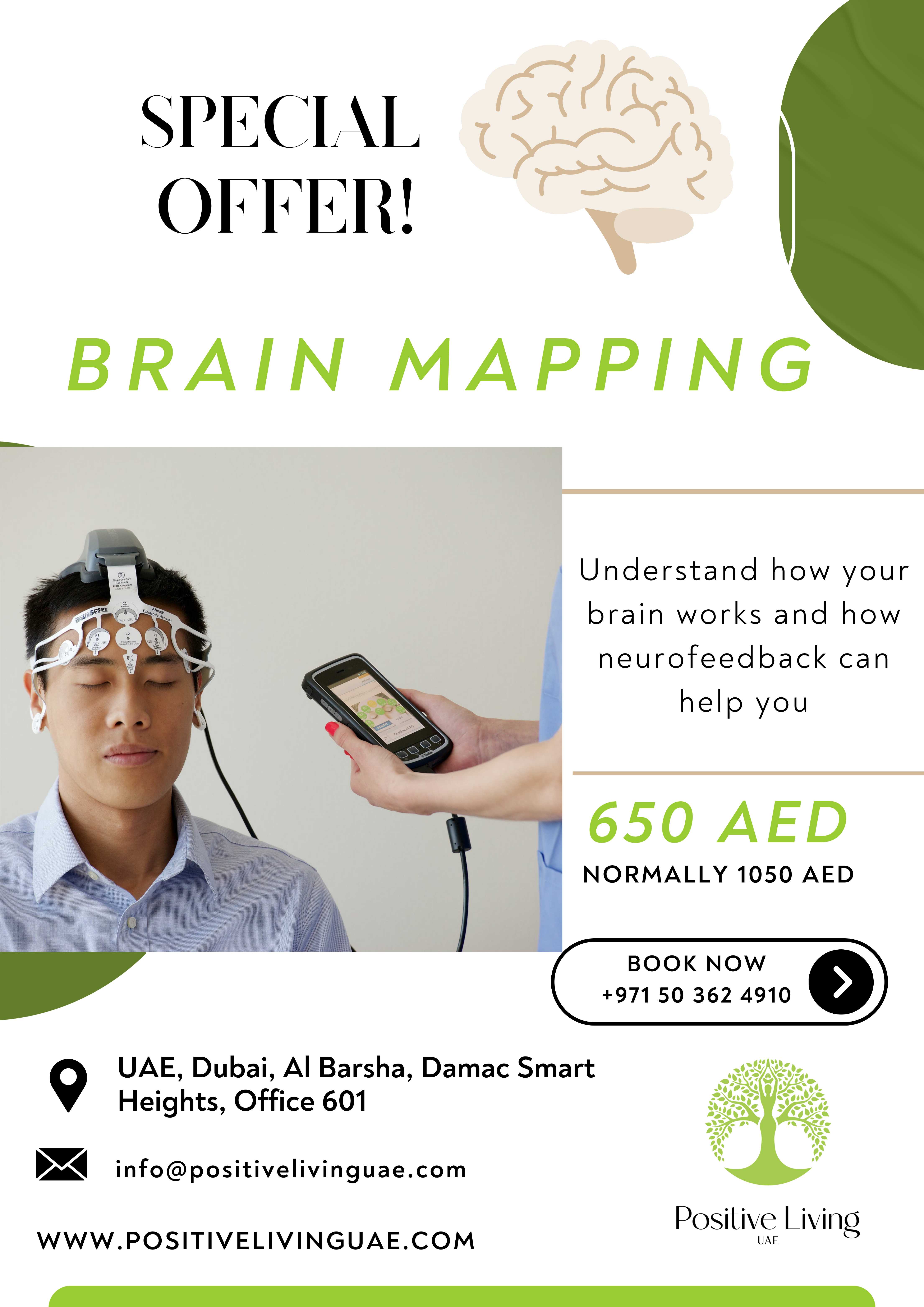
Our Neurofeedback Therapy helps to re-train the brain’s electrical patterns; in other words, Neurofeedback helps to re-wire the negative ways our brain wants us to respond (same as when we were children). In trauma, the brain has learned the wrong ways to respond, and now it needs help to respond differently. Neurofeedback Therapy does that!. It supports RE- TRAIN the nervous system back to a healthier, calmer baseline.
What Does Trauma-Related Depression Look Like?
It does not always look like classic sadness. Many people feel emotionally “switched off” — numb rather than tearful.
Other common signs include:
- Persistent irritability or unexplained anger
- Intrusive memories or disturbing dreams
- Deep shame, self-blame, or feeling “not enough”
- Anxiety that never fully switches off
- Withdrawal from relationships and daily life
If this resonates, nothing is permanently broken. Your nervous system is simply carrying a weight it was never meant to carry alone.
Can Childhood Trauma Cause Depression in Adults?
Absolutely, and this is one of the most important connections to understand.
Adverse childhood experiences create deep neural pathways that shape how we see ourselves and the world for decades. Adults with unresolved childhood trauma often carry chronic low mood, difficulty trusting others, and a relentless inner voice saying they are not enough.
Our Rapid Transformational Therapy (RTT) traces depression back to its earliest roots and replaces limiting beliefs with new, empowering ones. Many clients describe years of emotional progress in a fraction of the time.
What About Grief and Loss?
Grief is a form of trauma that is widely underestimated.
The loss of a loved one, a relationship, a pregnancy, or even a sense of identity can quietly become depression when left unprocessed. In the UAE’s large expat community, many people navigate this kind of loss far from their support networks.
Our Compassionate Inquiry approach creates a gentle, respectful space to explore the grief and buried emotions beneath the surface.
How Can Positive Living UAE Help?
We offer a range of evidence-based and holistic therapies, all personalised to you:
- Clinical Hypnosis Therapy – accesses and reframes the subconscious roots of trauma and depression
- Rapid Transformational Therapy – combines hypnotherapy, NLP, and CBT for fast, lasting change
- Neurofeedback Therapy – retrains the brain’s response to trauma non-invasively
- Holistic Psychotherapy – heals mind, body, and spirit together
- Life Coaching – for those ready to move beyond surviving and start truly living
No matter where you are on this journey, there is a path forward.
You Don’t Have to Carry This Alone
If you recognise yourself in any of what you’ve read, whether it’s the echo of old pain or a heaviness you can’t quite explain — we are here.
Positive Living UAE is an award-winning holistic healing centre in Dubai, offering personalised therapy and coaching that gets to the root of depression and trauma.
Book a Consultation Today and take the most important step back toward yourself.