A QEEG appointment is not a test you can pass or fail. It is a quiet, non-invasive recording of your brain’s electrical activity, and knowing how to prepare for QEEG assessment helps your clinician capture a clearer picture of what is happening beneath your symptoms. Whether you are seeking support for anxiety, ADHD, sleep difficulties, burnout, migraines, or sharper focus, a few simple choices before your session can help make your brain map more useful.
What a QEEG Assessment Measures
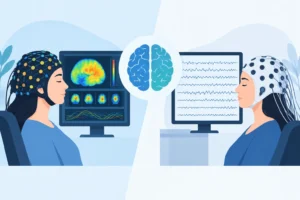
QEEG stands for quantitative electroencephalogram. During the assessment, small sensors are placed on the scalp to record the brain’s natural electrical signals. Specialized software compares patterns such as brainwave speed, power, and communication between regions of the brain with age-based reference data.
Think of it as a detailed fitness assessment before beginning a personalized training plan. The QEEG does not read your thoughts, deliver an electric shock, or require you to perform difficult tasks. It provides information that, alongside your history, symptoms, and clinical evaluation, can help a qualified practitioner design more individualized neurofeedback training.
A brain map is not a diagnosis by itself. Stress, sleep, medications, medical conditions, and daily habits can all influence brain activity. That is why preparation matters: it reduces avoidable variables and gives your care team a more dependable starting point.
How to Prepare for a QEEG Assessment in the Week Before
Begin by following your usual routine as closely as possible. The goal is to understand how your brain is functioning in real life, not to create a perfect week. If your sleep has been poor because of a demanding work project, a new baby, anxiety, or a changing schedule, be honest about it. That context helps your practitioner interpret the recording thoughtfully.
Pay attention to any major changes in your health. Let the clinic know if you have been sick, had a fever, experienced a concussion or head injury, started a new medication, or had a significant change in mood or sleep. These details do not necessarily mean you need to postpone the appointment, but they may affect timing or interpretation.
Do not stop prescribed medication in order to prepare for a QEEG assessment unless the clinician who prescribed it has specifically instructed you to do so. This is especially important for medications used for mood, attention, seizures, sleep, pain, or blood pressure. Abrupt changes can be uncomfortable or unsafe, and they can also produce a brain-state change that does not reflect your normal pattern. Bring an updated list of medications, supplements, and typical dosages to your appointment.
If you use caffeine, nicotine, alcohol, cannabis, or other substances, ask the clinic for its specific instructions. Recommendations can vary based on the purpose of the assessment, your health history, and the provider’s protocol. In many cases, avoiding unusual amounts of caffeine or alcohol in the day before testing is sensible, but suddenly eliminating a substance you use heavily may also affect how you feel. Consistency and transparency are usually more valuable than trying to guess the “right” answer.
The Night Before and Morning of Your Appointment
Prioritize a reasonably normal night’s sleep. You do not need to force an early bedtime or worry if you wake once or twice. Simply aim for your typical schedule and tell the clinician if the night was very different from usual. Lack of sleep can change brainwave activity, which may be clinically relevant, but it should be documented.
On the morning of your assessment, eat as you normally would unless the clinic has given you different directions. Arriving extremely hungry, dehydrated, or overfull can make it harder to sit comfortably and relax. Choose water over an excessive amount of coffee or energy drinks, especially if stimulants tend to make you jittery or anxious.
Clean hair is one of the most practical parts of QEEG preparation. Shampoo your hair the night before or the morning of the appointment, then leave it free from oils, sprays, dry shampoo, gel, mousse, leave-in conditioner, hair fibers, and heavy styling products. These products can interfere with sensor contact and make the setup take longer. If you wear extensions, braids, a wig, or a hairpiece, contact the clinic ahead of time so the team can advise you respectfully and plan the best approach.
Wear comfortable clothing and arrive with enough time to settle in. You will usually be seated during the recording, often with periods of eyes open and eyes closed. There is no need to dress formally, but try to avoid clothing that feels restrictive around your neck or shoulders.
What Happens During the QEEG Recording
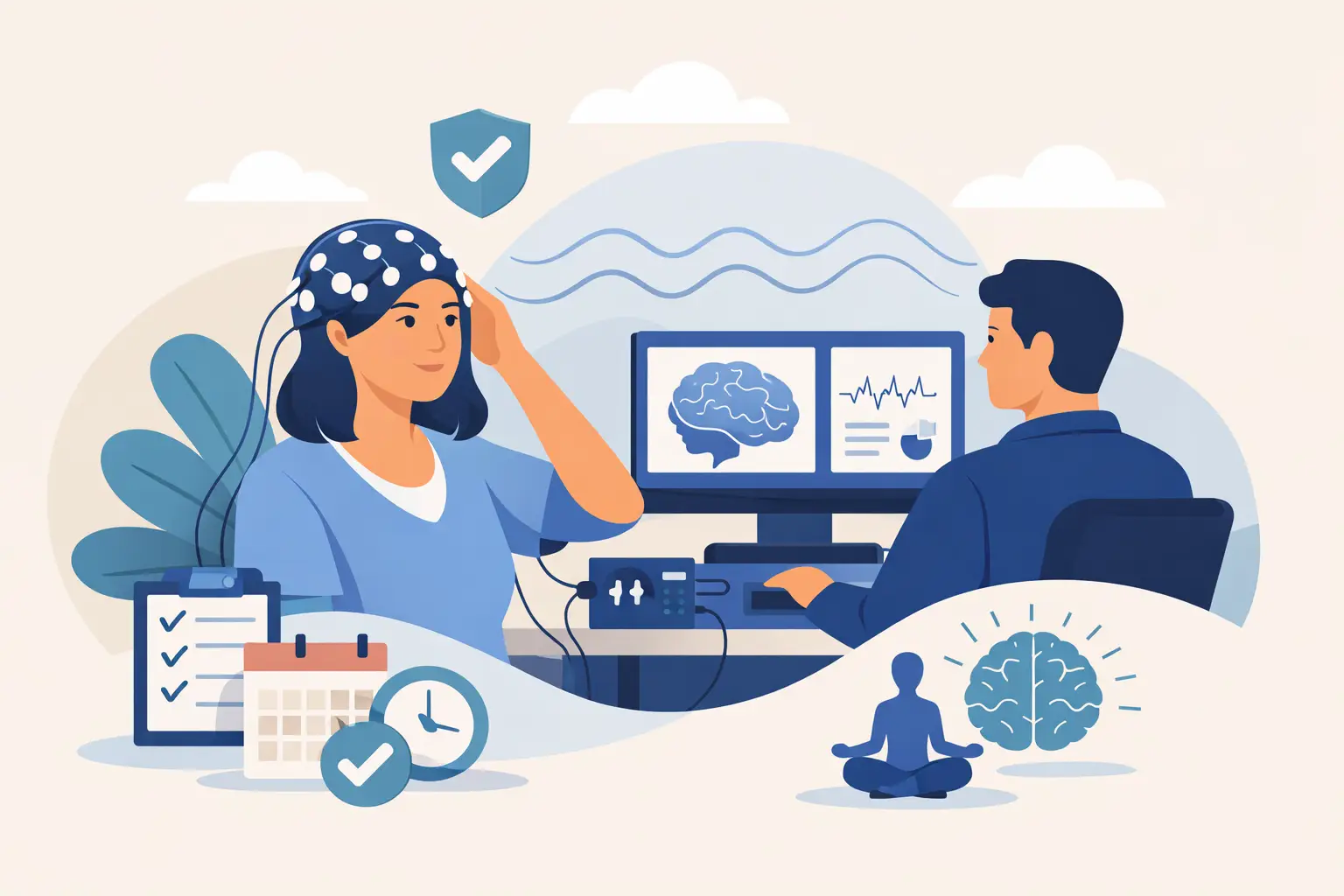
Your practitioner will explain the process, review relevant health information, and measure the scalp to position the sensors accurately. A conductive gel or paste is used to improve contact between each sensor and the scalp. It may feel cool or slightly damp, but it is not painful.
During the recording, you may be asked to relax with your eyes closed, keep your eyes open while looking at a point, or complete a simple task. The most helpful thing you can do is follow the instructions without trying to control your brainwaves. You do not need to empty your mind, meditate perfectly, or stay completely free of thoughts.
Try to limit movement, talking, jaw clenching, and frequent blinking when asked, since muscle activity can create noise in the recording. However, comfort comes first. If you need to cough, adjust your position, use the restroom, or take a break, let the practitioner know. A well-supported assessment is collaborative, not rigid.
The session length depends on the clinic’s protocol and whether a broader consultation is included. Plan for some extra time afterward to clean the gel from your hair or discuss next steps. Most conductive products wash out with regular shampoo.
Preparing Children and Teens Without Creating Pressure
For a child, the most useful preparation is calm, simple language. Explain that the visit helps the clinician learn how their brain is working, much like taking a picture of a brain’s activity while they sit still. Avoid framing it as a test of intelligence, behavior, or effort.
Bring familiar comfort items if the clinic permits them, such as a small toy, water bottle, or sensory support. Parents should share what helps their child regulate when they feel nervous, bored, or overwhelmed. Children with sensory sensitivities, learning challenges, ADHD, or anxiety may need more time during setup, and that is completely manageable when the team knows in advance.
For teens, privacy and participation matter. Invite them to describe their own sleep, stress, focus, mood, and goals in their own words. A collaborative conversation often leads to more meaningful care than having adults speak for them entirely.
Give Your Practitioner the Full Context
A QEEG map becomes more valuable when it is connected to the person behind the data. Before your appointment, make a few notes about the challenges you want help with and when they are most noticeable. Include patterns around sleep, work or school demands, emotional triggers, headaches, memory, energy, and concentration.
It can also help to share what is already working. Perhaps exercise improves your mood, structured routines help your child focus, or certain work environments leave you feeling depleted. Neurofeedback is often described as a gym for the brain, but the most effective training plan reflects your goals, nervous system patterns, and daily life rather than a one-size-fits-all protocol.
After the assessment, give yourself permission to be curious rather than judgmental about the findings. A brain map is not a label. It is one meaningful piece of information that can guide a compassionate, measurable path toward better regulation, resilience, and performance.