A difficult email arrives, a child has a meltdown before school, or a meeting takes an unexpected turn. In those first few seconds, your brain decides whether to pause and respond or shift into overwhelm, anger, shutdown, or panic. Emotional resilience brain training is designed to strengthen that pause – not by asking you to simply “think positive,” but by helping your nervous system practice a more regulated response.
Resilience is often misunderstood as the ability to tolerate endless pressure without showing emotion. That is not the goal. Healthy resilience means recognizing stress, recovering from it more efficiently, and staying connected to clear thinking and personal values when life feels demanding. For some people, that can mean fewer anxious spirals. For others, it may look like better sleep, less reactivity with loved ones, steadier concentration, or the confidence to return to a task after a setback.
What Emotional Resilience Brain Training Targets
Your emotional responses are not happening only in your thoughts. They are influenced by patterns of brain activity, sleep quality, past experiences, physical health, environment, and the demands placed on you each day. When the nervous system is overactivated for long periods, even ordinary stressors can begin to feel unmanageable. When it is underactivated, a person may feel flat, disconnected, unmotivated, or mentally foggy.
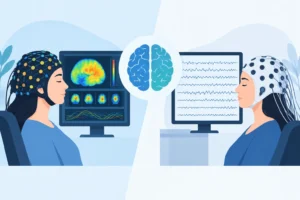
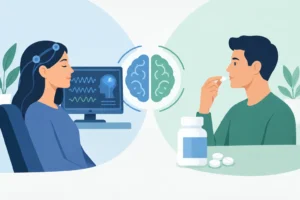
Emotional resilience brain training focuses on improving self-regulation: the brain’s ability to move toward a calmer, more flexible state when needed. Neurofeedback is one approach that may support this process. It is a non-invasive, medication-free method that uses EEG sensors to monitor brainwave activity in real time. The information is fed back through visual or audio cues, allowing the brain to recognize and gradually reinforce more helpful activity patterns.
A useful analogy is a gym for the brain. You would not expect one workout to build lasting physical strength, and brain training also relies on repetition, feedback, and a program suited to the individual. The aim is not to force the brain into one “perfect” pattern. It is to support greater adaptability, so the brain can shift gears more effectively between focus, rest, emotional engagement, and recovery.
Why Stress Can Feel Bigger Than the Situation
When people say, “I know I am overreacting, but I cannot stop,” they are often describing a gap between insight and regulation. Knowing what you would like to do is valuable. But when the body is in a threat response, access to patience, perspective, and planning can become limited.
Chronic stress, burnout, anxiety, poor sleep, trauma exposure, and prolonged conflict can all affect this system. A professional who is constantly switching between deadlines may become irritable at home over small interruptions. A child with attention challenges may react strongly to corrections because their brain is already working hard to filter information and manage frustration. A senior coping with sleep disruption or memory concerns may feel more emotionally vulnerable simply because mental energy is depleted.
This does not mean a person is weak or incapable. It means their nervous system may need more support. Effective care begins with understanding the pattern rather than judging the behavior.
Brain mapping can guide a more personal plan
A QEEG brain map can provide a detailed picture of electrical activity across different areas of the brain. It does not replace a medical diagnosis or tell the whole story of a person’s life. However, when it is interpreted by a qualified practitioner alongside symptoms, history, and goals, it can help inform a more individualized neurofeedback protocol.
That matters because resilience challenges do not look the same for everyone. One person may need support with racing thoughts and hypervigilance. Another may struggle more with low energy, distractibility, emotional numbness, or impulsive anger. A generic wellness program may offer useful habits, but it cannot always address the specific patterns keeping someone stuck.
What a Neurofeedback Program May Look Like
The first stage is typically a detailed consultation. This is a chance to discuss symptoms, daily functioning, sleep, medical history, emotional triggers, and what meaningful progress would look like. For a parent, that may be calmer mornings and fewer school-related tears. For an executive, it may be staying composed under pressure without carrying work stress into the evening.
If neurofeedback is appropriate, a QEEG assessment may be recommended to shape the training plan. During a session, sensors are placed on the scalp to read EEG activity. The sensors do not send electricity into the brain. They simply record information while the client watches a screen or listens to sound-based feedback. When the brain produces the desired activity, the feedback responds, helping reinforce the pattern through repetition.
Sessions are usually comfortable and quiet. Progress is reviewed over time through symptom tracking, observations, and, when appropriate, follow-up assessments. A high-quality program should not promise identical results for every person or rely on guesswork. It should adapt as needs change.
At Positive Living UAE, neurofeedback is delivered within a broader wellness model that can also include counseling, coaching, or hypnotherapy when clinically appropriate. This can be particularly helpful because brain regulation and life skills work best together. Training may help create more internal space; therapy and coaching can help a person use that space to set boundaries, communicate differently, process experiences, and build healthier routines.
Benefits That Matter Beyond Feeling Calm
The value of resilience is not that you never feel upset. Emotions carry information. Anger may signal a boundary problem, sadness may call for support, and anxiety can sometimes point to a real issue that needs attention. The goal is to experience emotions without becoming controlled by them.
With consistent, individualized support, clients may notice changes such as:
- Recovering more quickly after conflict, disappointment, or overload
- Feeling less reactive to noise, interruptions, criticism, or uncertainty
- Falling asleep more easily or waking with a steadier mood
- Sustaining focus without the same level of mental strain
- Having more patience in parenting, relationships, school, or demanding work
These changes can be subtle at first. A person might notice they pause before responding to a frustrating message. A child may be able to return to homework after a break instead of abandoning it entirely. Over time, these small moments can build confidence because they show the brain and body that stress does not have to dictate the next action.
Where Brain Training Fits – and Where It Does Not
Neurofeedback can be a meaningful part of an emotional resilience plan, but it is not a shortcut around difficult circumstances. If someone is living with untreated trauma, major depression, severe anxiety, substance dependence, or a significant medical condition, they may need coordinated care from licensed medical and mental health professionals. Urgent thoughts of self-harm or harm to others require immediate emergency support, not a wellness appointment.
It is also reasonable to ask questions about evidence, expectations, provider training, technology, and how progress will be measured. Research on neurofeedback is promising in several areas, including attention and self-regulation, but outcomes vary based on the concern, protocol, consistency, and quality of care. Honest guidance should make room for that nuance.
For some clients, brain training works best alongside therapy, sleep support, movement, nutrition, medication managed by a physician, or changes in workload and home routines. Medication-free does not have to mean anti-medication. It means considering a non-invasive option that may complement the care a person already receives.
Supporting the Training Between Sessions
A regulated brain benefits from a regulated environment. The basics are not glamorous, but they influence how well the nervous system can recover. Regular sleep and wake times, adequate hydration, balanced meals, movement, time away from screens, and realistic pauses during the day all matter. So does reducing the pressure to perform perfectly while learning new skills.
Try noticing your earliest stress signals: tight shoulders, a rushed voice, shallow breathing, clenched teeth, scattered thinking, or the urge to withdraw. Then practice one small interruption, such as placing both feet on the floor, taking a slower exhale, or waiting ten minutes before sending a charged reply. These actions do not solve every problem, but they create a practical bridge between brain training and everyday life.
Emotional resilience is built in ordinary moments: the pause before you react, the return to calm after disruption, and the choice to ask for support before stress becomes a crisis. With skilled guidance and a plan designed around your needs, those moments can become more available – and more reliable.