Forgetting a name after a stressful week is common. Getting lost on a familiar route, repeatedly asking the same question, or struggling to manage once-routine tasks deserves closer attention. Brain health is not something to postpone until retirement. This cognitive decline prevention guide focuses on the everyday choices and professional support that can help protect memory, attention, emotional balance, and independence across the lifespan.
Cognitive decline is not one condition with one cause. It can reflect normal aging, prolonged stress, poor sleep, medication effects, hearing loss, depression, vascular disease, or neurodegenerative conditions. That distinction matters because the most helpful next step depends on what is driving the change.
What cognitive decline prevention can and cannot do
Prevention is not a promise that a person will never develop dementia or experience memory changes. Genetics, aging, illness, and life circumstances all play a role. What prevention can do is reduce modifiable risks, strengthen cognitive reserve, and help identify concerns early, when there may be more opportunities to address contributing factors.
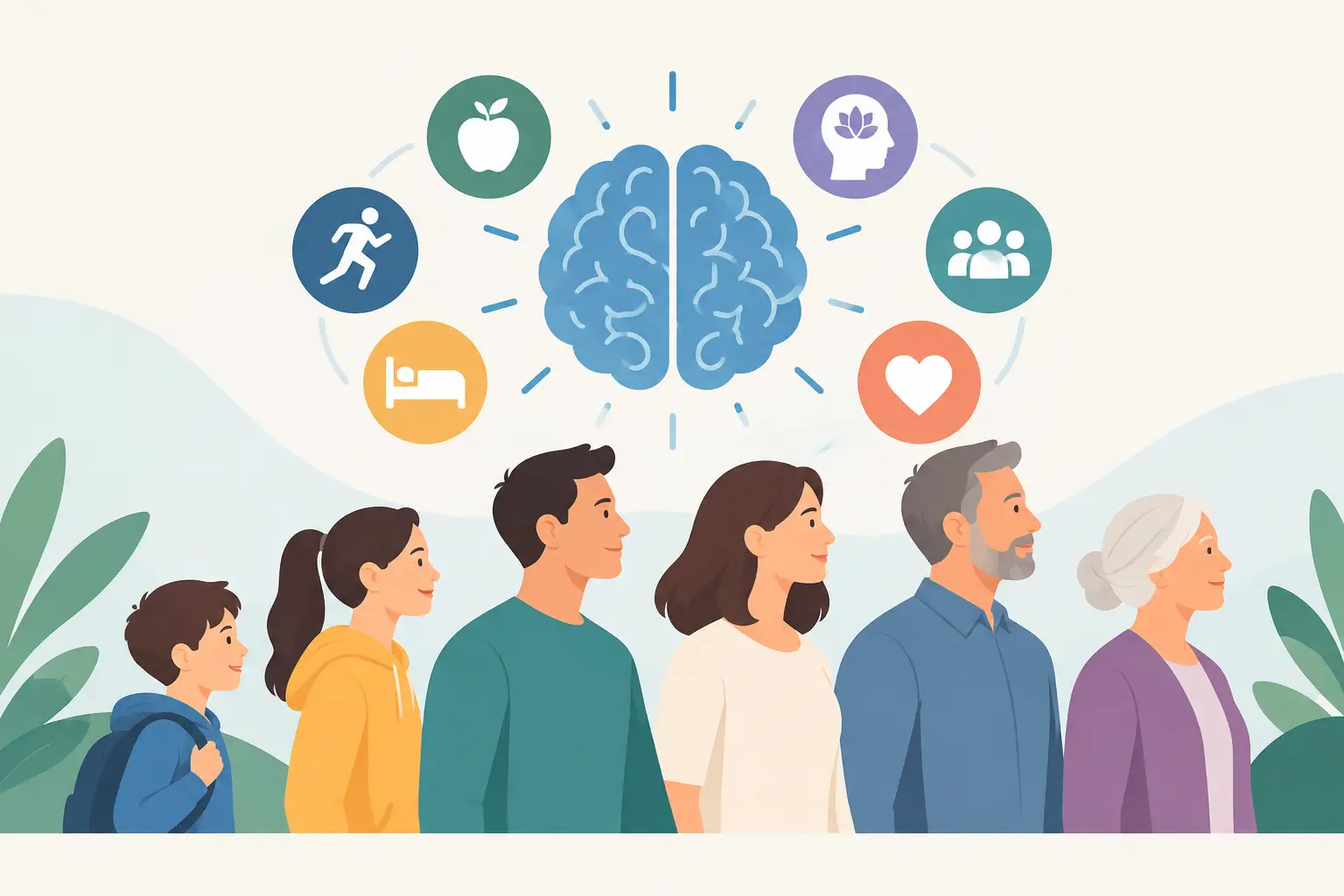
Think of cognitive reserve as the brain’s capacity to adapt when it is under pressure. Learning, movement, meaningful relationships, restorative sleep, and effective stress management all give the brain more resources to work with. These habits are not quick fixes. Their value comes from consistency over months and years.
A sensible approach also avoids blaming people for symptoms. A professional dealing with burnout, a parent managing a child’s learning challenges, and an older adult noticing forgetfulness may all need different forms of support. Compassionate assessment should come before assumptions.
Build the foundation your brain relies on
Move for circulation, mood, and focus
The brain depends on a steady blood supply, and regular physical activity supports cardiovascular health. Walking briskly, swimming, cycling, dancing, strength training, or playing a sport can all be useful. The best option is usually the one a person can repeat consistently and enjoy enough to continue.
Aim to include aerobic movement and strength work during the week, while adapting activity to your current fitness, mobility, and medical needs. Even short walks after meals and movement breaks during desk work can add up. For someone who has been inactive or has heart, balance, or joint concerns, a clinician can help make exercise safer.
Movement also helps indirectly. It can improve sleep quality, reduce stress, support a healthier weight, and create opportunities for social connection. Those benefits matter just as much as the workout itself.
Protect sleep as a brain-health priority
Poor sleep can look like cognitive decline. When sleep is fragmented, too short, or unrefreshing, concentration slips, emotional reactions become stronger, and memory feels less reliable. Over time, untreated sleep problems may also affect metabolic and cardiovascular health.
Start with practical habits: keep a reasonably regular sleep and wake time, get daylight early in the day, limit late caffeine, and create a quiet wind-down routine. But do not assume every sleep issue can be solved with better habits alone. Loud snoring, gasping, persistent insomnia, unusual movements during sleep, or severe daytime fatigue should be assessed by a qualified medical professional.
For many people, nervous system regulation is part of the sleep picture. When the brain remains in a high-alert state after work pressure, anxiety, trauma, or chronic overstimulation, it can be difficult to settle into restorative rest.
Eat to support the whole body
There is no single “brain food” that prevents cognitive decline. A more useful pattern is to eat in a way that supports blood pressure, blood sugar, cholesterol, and inflammation. Meals centered on vegetables, fruit, beans, whole grains, nuts, fish or other quality proteins, and healthy fats are generally supportive choices.
What matters most is the overall pattern, not perfection. Highly processed foods, excess alcohol, smoking, and frequent large swings in blood sugar can work against both brain and vascular health. If changing your eating habits feels overwhelming, begin with one repeatable action, such as adding a vegetable to lunch or replacing a sugary afternoon snack with protein and fruit.
Challenge the brain without exhausting it
Crossword puzzles can be enjoyable, but cognitive health is broader than any one game. The brain responds well to effortful, meaningful novelty: learning a language, practicing an instrument, taking up a new work skill, cooking unfamiliar recipes, volunteering, or mastering technology that initially feels intimidating.
The key is challenge with engagement. Activities should be difficult enough to require attention, but not so frustrating that they become another source of stress. For children, this may mean targeted support that builds confidence around learning differences. For adults, it may mean developing a new skill rather than simply repeating familiar routines. For seniors, it may mean pairing learning with social participation.
Hearing and vision also deserve attention. When the brain must work harder to interpret muffled sound or unclear visual information, it has fewer resources available for conversation, memory, and focus. Regular hearing and eye evaluations are practical, often overlooked components of cognitive care.
Relationships and emotional health are protective factors
Loneliness, chronic anxiety, depression, unresolved grief, and social withdrawal can affect motivation, attention, sleep, and memory. They may also make cognitive symptoms feel more severe. Emotional health is not separate from brain health. It is one of its foundations.
Make room for consistent connection, whether that means a weekly meal with family, a walking group, faith community, class, team, or regular phone call. Quality matters more than having a crowded calendar. One supportive relationship can create meaningful stability during a difficult period.
If low mood, panic, irritability, anger, or emotional numbness are interfering with daily life, seek support rather than trying to push through alone. Counseling and coaching can help people build coping skills, process stressors, and restore routines that support clearer thinking.
When personalized brain training may help
For some people, lifestyle changes are necessary but not sufficient. They may understand what they need to do yet still struggle with racing thoughts, poor sleep, inconsistent focus, emotional reactivity, or mental fatigue. This is where a personalized brain-health assessment can offer useful direction.
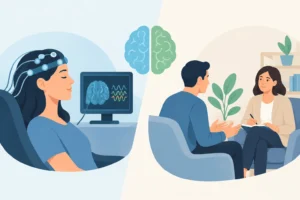
Neurofeedback is a non-invasive form of EEG-based brain training. It gives the brain real-time feedback on its activity, allowing it to practice more regulated patterns over repeated sessions. It is often described as a gym for the brain: training is gradual, individualized, and guided by measurable progress rather than willpower alone.
At Positive Living UAE, QEEG brain mapping can be used to understand patterns related to attention, sleep, emotional regulation, and cognitive performance before creating a tailored protocol. Progress evaluations help ensure care remains responsive to the individual rather than following a generic plan.
Neurofeedback should not be presented as a cure for dementia or a replacement for medical diagnosis and treatment. Its role may be more relevant for people whose cognition is being affected by stress, sleep disruption, anxiety, burnout, attention difficulties, or emotional dysregulation. A qualified provider can help determine whether it fits within a broader care plan that may also include counseling, coaching, medical care, nutrition, and exercise.
A cognitive decline prevention guide should include medical checkups
New or worsening cognitive symptoms deserve a proper evaluation, particularly when they interfere with work, school, finances, driving, relationships, or self-care. Some causes of memory and concentration problems may be treatable, including thyroid disorders, vitamin deficiencies, depression, medication side effects, infections, sleep apnea, and hearing loss.
Seek prompt medical attention for sudden confusion, trouble speaking, weakness on one side of the body, severe new headache, fainting, or abrupt changes in behavior. These symptoms can signal an urgent condition and should not be managed through wellness strategies alone.
For gradual concerns, consider keeping a simple record of what is changing, when it began, sleep quality, stress level, medications, and examples of daily tasks that have become harder. This gives a clinician clearer information than the general statement, “My memory is getting worse.” Family members can also offer helpful observations when a person is comfortable involving them.
Start smaller than you think
Lasting cognitive care rarely begins with a dramatic overhaul. It begins by noticing one pattern and choosing one meaningful next step. A burned-out executive may start by protecting a consistent bedtime. A parent may arrange an assessment for a child whose attention struggles are affecting confidence. An older adult may schedule a hearing test, return to a weekly social activity, and add regular walks with a friend.
Your brain changes throughout life, and it responds to the conditions you create around it. Treat every small supportive choice as an investment in clearer days, steadier emotions, and a stronger connection to the people and activities that make life meaningful.