You slept for seven, eight, perhaps even nine hours, yet getting out of bed feels like pushing through wet sand. If you are asking, “why wake up exhausted?” the answer is not always that you need more time in bed. Often, it is a sign that your sleep quality, daily stress load, physical health, or nervous system regulation deserves a closer look.
Waking tired once in a while is human. Waking unrefreshed most mornings, struggling to think clearly, or relying on caffeine just to feel functional is different. Your body may be spending enough hours asleep without moving through the restorative stages of sleep as it should.
Why You Wake Up Exhausted Despite Sleeping Enough
Sleep is not a single switch that turns off at night. It is an active process in which the brain cycles through lighter sleep, deep sleep, and REM sleep. Deep sleep supports physical recovery, while REM sleep plays an important role in emotional processing, learning, and memory. Frequent disruptions can leave you with plenty of hours logged but too little truly restorative rest.
Your sleep is fragmented
You may not remember every awakening. A noisy room, a warm bedroom, pain, reflux, frequent trips to the bathroom, a partner’s snoring, or your own breathing disruptions can pull the brain out of deeper sleep for short periods. Even brief awakenings can reduce the continuity your nervous system needs to recover.
Sleep apnea is one important possibility to take seriously. It can involve repeated pauses or reductions in breathing during sleep, sometimes accompanied by loud snoring, gasping, dry mouth, morning headaches, or daytime sleepiness. It is not simply a problem for older adults or people who fit one particular body type. If these signs are present, a medical evaluation is the right next step.
Stress keeps the brain on alert
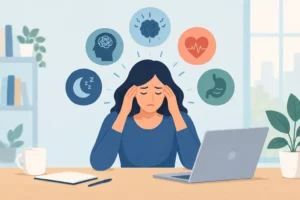
A demanding work schedule, family pressure, financial uncertainty, unresolved grief, or chronic anxiety can make the body tired while leaving the brain on guard. You may fall asleep quickly from sheer exhaustion but still spend the night in a more reactive, lighter pattern of sleep.
This is why burnout often feels confusing. People assume they should sleep deeply because they are depleted. Yet an overloaded nervous system may continue scanning for problems, making it harder to settle into consistent restorative sleep. Racing thoughts at bedtime are only one version of this pattern. Some people feel calm at night but still wake tense, irritable, or drained.
Your body clock is out of sync
Your circadian rhythm is your internal timing system. It responds to light, meal timing, activity, and regularity. Late-night scrolling, changing sleep schedules between weekdays and weekends, shift work, and limited morning sunlight can all confuse that system.
Sleeping from 1 a.m. to 9 a.m. may provide eight hours, but it will not necessarily feel the same as sleeping on a schedule that matches your natural rhythm and daily responsibilities. There is no perfect bedtime for everyone. Consistency, however, is usually more helpful than trying to “catch up” with dramatic weekend sleep-ins.
Caffeine, alcohol, and medication may be affecting sleep architecture
Caffeine can stay active in the body longer than many people expect. An afternoon coffee may make it harder to enter or remain in deeper sleep, even if you fall asleep without difficulty. Alcohol can make you drowsy initially, but it often fragments sleep later in the night and may reduce REM sleep.
Certain medications can also influence sleep, energy, or alertness. This does not mean you should stop a prescribed medication. It means persistent fatigue is worth discussing with a qualified healthcare professional, especially if it started after a new prescription or dosage change.
An underlying health issue may be contributing
Persistent exhaustion can be associated with many medical and mental health concerns, including anemia, thyroid conditions, chronic pain, depression, anxiety, hormonal changes, nutritional deficiencies, and inflammatory illnesses. For children, sleep disruption can also show up as hyperactivity, emotional outbursts, or trouble concentrating rather than obvious drowsiness.
The goal is not to self-diagnose from a list online. It is to recognize that ongoing fatigue is real information from your body. A thorough assessment can help distinguish a sleep issue from a medical concern, a mental health challenge, or a combination of factors.
How to Tell if Poor Sleep Quality Is the Problem
A tired morning after a late night is straightforward. Poor-quality sleep is more likely when exhaustion becomes a pattern despite giving yourself adequate opportunity to rest. Pay attention to what happens during the day, not only at bedtime.
Common signs include:
- Brain fog, forgetfulness, or difficulty making routine decisions
- Strong caffeine cravings or an afternoon energy crash
- Increased irritability, anxiety, or a lower tolerance for stress
- Headaches, low motivation, or reduced exercise recovery
- Snoring, gasping, restless legs, or waking with a dry mouth
A simple two-week sleep and energy log can reveal useful patterns. Record your bedtime, wake time, naps, caffeine and alcohol use, exercise, nighttime awakenings, and how rested you feel in the morning. Also note high-stress days. This information can make a conversation with your doctor, therapist, or sleep specialist far more productive.
Practical Steps to Feel More Rested
Start by choosing changes you can sustain. A perfect bedtime routine that lasts three days is less useful than a modest routine you follow most nights.
Protect a consistent wake-up time
Set a wake-up time that works on most days and keep it within about an hour, even on weekends when possible. Your wake time anchors your body clock. If you need to adjust your schedule, move it gradually in 15- to 30-minute increments rather than forcing a sudden change.
Get outside or near bright natural light early in the day. Morning light helps signal to the brain that the day has started, which can support melatonin timing later that evening.
Create a lower-stimulation final hour
The aim is not to create a rigid ritual. It is to give your brain a predictable transition out of problem-solving mode. Dim the lights, reduce intense work or emotionally charged content, and place your phone farther from the bed if notifications or scrolling keep you mentally activated.
If your mind becomes busy the moment you lie down, try writing down tomorrow’s tasks earlier in the evening. A short list cannot solve every concern, but it can tell your brain that it does not have to keep rehearsing everything overnight.
Adjust the factors that quietly disrupt sleep
Keep the bedroom cool, dark, and as quiet as practical. Avoid large meals and alcohol close to bedtime when they affect your sleep. Experiment with moving caffeine earlier, particularly if you feel tired but wired at night.
Exercise supports sleep for many people, but timing is individual. Some sleep better after an evening walk; others find intense late workouts too stimulating. Watch your own pattern instead of following a rule that does not fit your body.
Address stress at the nervous system level
Sleep hygiene matters, but it cannot always overcome chronic anxiety, trauma-related hyperarousal, depression, or burnout. When the nervous system has been operating in survival mode for too long, deeper support may be needed.
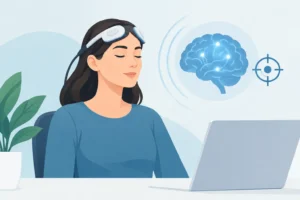
Counseling, stress-management coaching, and clinically guided approaches such as neurofeedback may help some people build better self-regulation. Neurofeedback uses real-time EEG feedback to help the brain practice more balanced patterns, much like a gym gives muscles repeated, guided training. It is non-invasive and medication-free, but it is not a replacement for medical assessment or treatment of conditions such as sleep apnea.
At Positive Living UAE, an individualized approach may include QEEG brain mapping, progress tracking, and supportive therapies based on each person’s symptoms and goals. For someone whose exhaustion is closely tied to stress reactivity, emotional overload, focus difficulties, or disrupted sleep patterns, personalized care can be more useful than generic advice alone.
When to Seek Professional Support
Arrange a medical evaluation if exhaustion persists for several weeks, affects work or driving, or comes with concerning symptoms such as chest pain, shortness of breath, fainting, unexplained weight changes, severe low mood, or thoughts of self-harm. Seek prompt support if you suspect sleep apnea, particularly if there is loud snoring, witnessed breathing pauses, or waking gasping for air.
For children and teens, speak with a pediatrician or qualified clinician when tiredness is affecting school performance, mood, behavior, or development. Fatigue is not laziness, and treating it as a character issue can delay the support a child needs.
You do not have to accept exhausted mornings as the price of a busy life. With thoughtful observation, appropriate medical guidance, and support that addresses both sleep habits and nervous system health, waking up can begin to feel less like a daily battle and more like a genuine reset.