Blogs

How Neurofeedback Therapy Helps Reduce Anxiety

Anxiety can make daily life feel overwhelming. It can cause constant worry, poor sleep, and difficulty focusing. Many people try therapy or medication, but some look for gentle, drug-free options. One of these options is neurofeedback therapy.

Neurofeedback treatment is a non-invasive method that trains the brain to function in a calmer and more balanced way. Over time, this can reduce anxiety and improve emotional control.

What Is Neurofeedback Therapy?

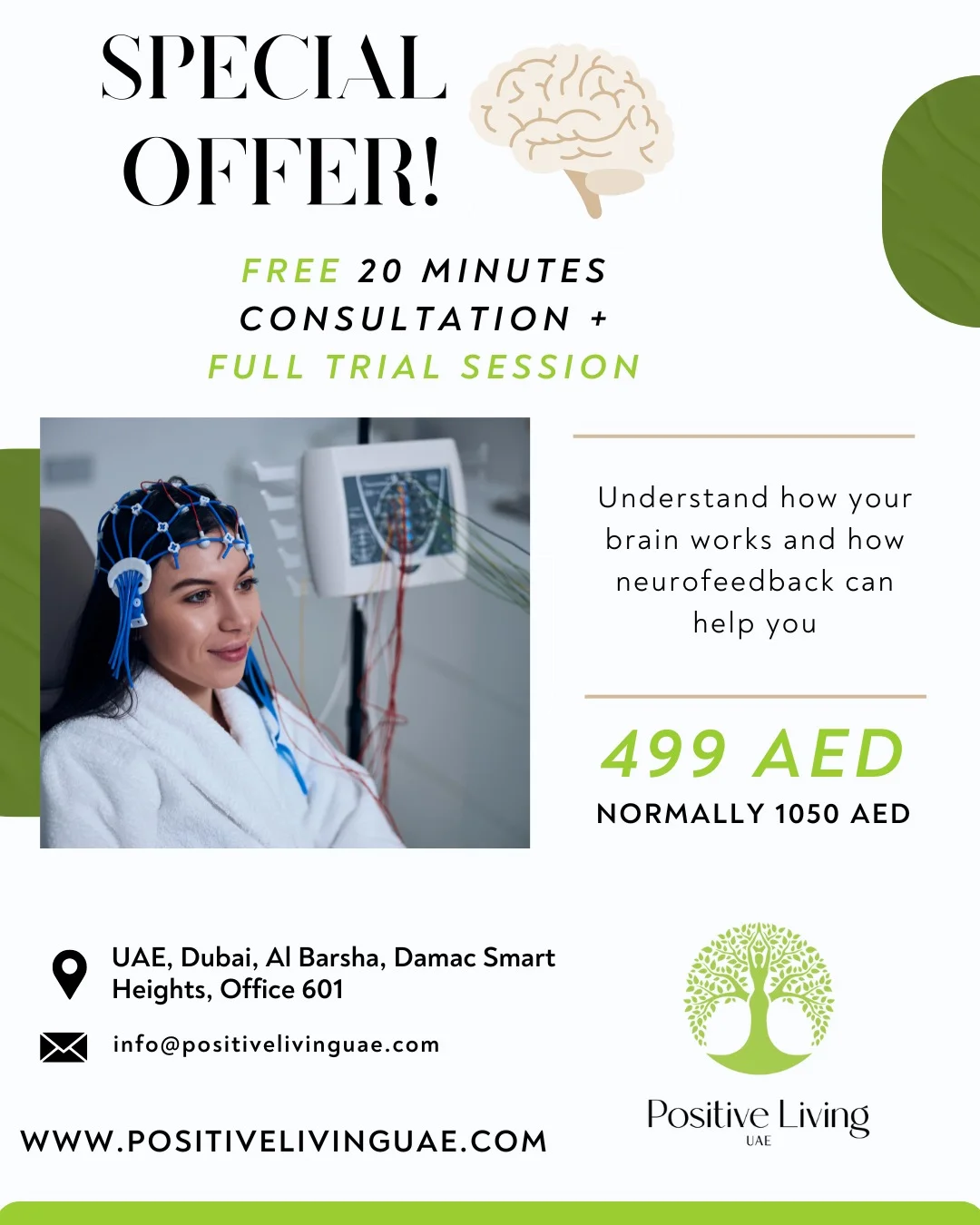
Neurofeedback therapy monitors your brainwave activity using small sensors placed on the scalp. The system gives real-time feedback through sounds or visuals.

This feedback helps your brain learn healthier patterns. As the brain becomes more balanced, anxiety symptoms can decrease.

Sessions are:

  • Painless
  • Safe
  • Drug-free
  • Customised to each person

At Positive Living UAE, neurofeedback sessions are designed based on individual needs and mental health goals.

How Neurofeedback Helps Reduce Anxiety

1. Calms Overactive Brain Patterns

Anxiety is often linked to overactive brainwaves. This can make you feel tense, restless, or constantly worried.

Neurofeedback therapy trains the brain to:

  • Slow down overactive patterns
  • Stay in a calmer state
  • Respond better to stress

Over time, the brain learns to remain more relaxed on its own.

2. Improves Emotional Regulation

People with anxiety may react strongly to stress or small triggers. Neurofeedback helps the brain respond more calmly.

This can lead to:

  • Better emotional control
  • Fewer mood swings
  • Less irritability
  • Greater resilience

3. Supports Better Sleep

Anxiety often affects sleep. Racing thoughts and tension can make it hard to fall asleep or stay asleep.

Neurofeedback treatment helps regulate brain activity, which may:

  • Improve sleep quality
  • Reduce nighttime anxiety
  • Help you wake up feeling refreshed

Better sleep also improves mood and focus during the day.

4. Reduces Physical Symptoms of Anxiety

Anxiety does not only affect the mind. It can also cause physical symptoms such as:

  • Rapid heartbeat
  • Muscle tension
  • Headaches
  • Restlessness

By calming brain activity, neurofeedback can help reduce these physical reactions.

5. Builds Long-Term Emotional Stability

Unlike some treatments that only manage symptoms, neurofeedback focuses on training the brain itself.

With regular sessions, the brain learns to:

  • Stay balanced
  • Handle stress better
  • Maintain calmer patterns

Many people experience lasting improvements even after treatment ends.

Who Can Benefit from Neurofeedback for Anxiety?

Neurofeedback therapy may help people who experience:

  • General anxiety
  • Panic symptoms
  • Chronic stress
  • Sleep problems
  • Emotional overwhelm

A professional assessment can determine if this treatment is right for you.

What to Expect at Positive Living UAE

At Positive Living UAE, neurofeedback sessions are:

  • Personalised to your brain patterns
  • Conducted in a calm, supportive environment
  • Focused on long-term improvement

You will receive guidance throughout the process, with progress tracked over time.

Final Thoughts

Anxiety can feel exhausting, but support is available. Neurofeedback therapy offers a gentle, drug-free way to train your brain to stay calmer and more balanced.

With consistent neurofeedback treatment, many people notice better sleep, improved emotional control, and reduced anxiety. It can be a powerful step toward a more peaceful and focused life.

How to Build Respectful Parent–Child Relationships

A strong parent–child relationship is built on trust, love, and respect. When children feel respected, they are more likely to listen, cooperate, and share their feelings openly. Respectful relationships also create a calmer and happier home.

The good news is that respect grows through small, everyday actions. With the right approach, and sometimes a little support from parent coaching, you can build a stronger connection with your child.

1. Listen Without Interrupting

Children want to feel heard. When your child talks, give them your full attention.

Try to:

  • Maintain eye contact
  • Put away distractions
  • Let them finish speaking

This simple habit improves parent-child communication and helps your child feel valued.

2. Speak Calmly and Kindly

The way you speak to your child teaches them how to speak to others.

Instead of shouting or blaming:

  • Use a calm tone
  • Explain what you expect
  • Focus on the behaviour, not the child

Respectful communication builds a safe and trusting environment.

3. Set Clear and Consistent Rules

Children feel more secure when they know the boundaries. Clear rules help them understand what is expected.

To make rules effective:

  • Keep them simple
  • Be consistent
  • Explain the reason behind them

Consistency builds trust and respect.

4. Be a Role Model

Children learn by watching you. If you show respect, they will copy that behaviour.

You can model respect by:

  • Speaking politely
  • Apologising when you make mistakes
  • Treating your child’s feelings seriously

Your actions teach more than your words.

5. Encourage Open Conversations

Create a space where your child feels safe to talk about anything.

You can do this by:

  • Asking about their day
  • Showing interest in their thoughts
  • Staying calm when they share problems

Strong parent-child communication makes children more open and honest.

6. Respect Their Feelings

Children have big emotions, even if they don’t always express them well.

Instead of dismissing their feelings:

  • Acknowledge their emotions
  • Show empathy
  • Help them calm down

For example:
“I understand you’re upset. Let’s figure this out together.”

This helps children feel respected and supported.

7. Spend Quality Time Together

Respect grows when there is a strong emotional bond.

Simple activities can help:

  • Eating meals together
  • Playing games
  • Reading or talking before bed
  • Going for a walk

What matters most is being present and engaged.

8. Use Positive Discipline

Discipline should teach, not scare. Positive discipline focuses on guidance.

Try to:

  • Explain consequences calmly
  • Focus on solutions
  • Praise good behaviour

This approach builds responsibility and respect.

How Parent Coaching Can Help

Sometimes building a respectful relationship can feel challenging, especially when conflicts are frequent. That’s where parent coaching can make a difference.

At Positive Living UAE, parenting support focuses on:

  • Improving parent-child communication
  • Managing challenging behaviours
  • Creating a calmer home environment
  • Strengthening emotional bonds

Final Thoughts

Respectful parent–child relationships are built over time. Small, consistent actions like listening, speaking kindly, and spending quality time together create a strong foundation.

With understanding and the right support, you can build a relationship where both you and your child feel respected, heard, and connected.

How a Parenting Coach Can Help Your Family

Parenting can be beautiful, but it can also feel overwhelming at times. Some days are smooth, and some days are full of arguments, stress, or confusion. Many parents wonder if they’re doing the right thing or if there’s a better way to handle certain situations.

That’s where parent counselling can help. A parenting coach works with you, supports you, and gives you practical tools to make family life calmer and more connected.

What Does a Parenting Coach Do?

A parenting coach helps you understand your child better. They guide you through everyday challenges and give you simple strategies that actually work at home.

They help you:

  • Communicate better with your child
  • Set clear and healthy boundaries
  • Handle difficult behaviours calmly
  • Build a stronger emotional bond

Signs You May Need Parent Counselling

You don’t have to wait for a big problem to ask for help. But you may benefit from support if:

  • You argue with your child often
  • Your child doesn’t listen to or follow rules
  • There are frequent tantrums or emotional outbursts
  • You feel stressed or unsure as a parent
  • The home environment feels tense

Asking for help doesn’t mean you’re a bad parent. It simply means you want to do better for your child and your family.

How Parents’ Coaching Services Can Help

1. Better Communication at Home

Sometimes children act out because they feel unheard. A parenting coach teaches you how to:

  • Listen without reacting immediately
  • Speak calmly and clearly
  • Understand what your child is really feeling

This reduces arguments and builds trust.

2. Simple and Effective Discipline

Discipline doesn’t have to mean shouting or punishment. With parent counselling, you learn:

  • Positive discipline methods
  • How to set clear rules
  • How to stay consistent

This helps children feel safe and understand expectations.

3. Less Stress for the Whole Family

When problems repeat every day, the whole home can feel tense. Parenting coaching helps you:

  • Identify what’s causing the stress
  • Create simple daily routines
  • Bring more calm into the household

4. Stronger Emotional Connection

Children need emotional support just as much as rules. A parenting coach helps you:

  • Understand your child’s feelings
  • Respond with empathy
  • Build a deeper connection

This creates a more loving and supportive environment.

5. Practical Solutions for Daily Problems

From tantrums to teenage attitude, every stage has its challenges. A parenting coach gives you real-life tools to handle:

  • Tantrums and defiance
  • Screen-time issues
  • School stress
  • Sibling fights

These are simple techniques you can start using right away.

6. More Confidence as a Parent

Many parents feel unsure about their decisions. With the right guidance, you can:

  • Understand your parenting style
  • Make clearer decisions
  • Feel more confident in your role

When you feel confident, your child feels more secure, too.

What to Expect at Positive Living UAE

Positive Living UAE parents coaching services are designed to be supportive and easy to follow. Sessions focus on your real-life challenges and give you solutions you can use immediately at home.

You’ll receive:

  • Personal guidance
  • Practical parenting strategies
  • Emotional support
  • A safe, non-judgmental space to talk

Final Thoughts

Parenting is a journey, and it’s okay to need support along the way. Parents’ coaching services can help you build a calmer home, stronger relationships, and more confidence in your parenting.

Small changes in how you respond to your child can create big, positive changes in your family.

How Neurofeedback Improves Memory and Concentration

In today’s fast-paced world, many people struggle with poor concentration, mental fatigue, Stress, lack of sleep, anxiety, and constant digital distractions, which can all affect how well your brain focuses and processes information.

This is where neurofeedback therapy can make a real difference. It’s a gentle, drug-free method that helps train your brain to function more efficiently, improving both memory and focus over time.

What Is Neurofeedback?

Neurofeedback is a type of neurofeedback treatment that monitors your brainwave activity and provides real-time feedback. This helps your brain learn healthier and more balanced patterns.

As the brain becomes more regulated, it can:

  • Process information more clearly
  • Stay focused for longer periods
  • Reduce mental fatigue
  • Improve memory retention

At Positive Living UAE, neurofeedback sessions are tailored to each individual’s brain patterns and mental health goals, ensuring a personalised and supportive approach.

How Neurofeedback Improves Concentration

1. Balances Brainwave Activity

Difficulty concentrating is often linked to unbalanced brainwave patterns. For example:

  • Too much slow-wave activity can cause brain fog
  • Too much fast-wave activity can lead to anxiety and restlessness

Neurofeedback for concentration trains the brain to maintain optimal attention and clarity.

2. Reduces Mental Distractions

An anxious or overstimulated brain finds it hard to stay focused. Neurofeedback helps calm overactive areas of the brain, making it easier to:

  • Stay present in tasks
  • Avoid constant distractions
  • Complete work more efficiently

3. Increases Mental Stamina

Many people feel mentally tired after short periods of focus. Neurofeedback helps improve the brain’s efficiency, which can lead to:

  • Longer attention spans
  • Better productivity
  • Less mental exhaustion

How Neurofeedback Supports Better Memory

1. Improves Information Processing

When brain activity becomes more balanced, the brain can process and store information more effectively. This helps with:

  • Learning new material
  • Remembering important details
  • Retaining information for longer periods

2. Enhances Sleep Quality

Sleep plays a major role in memory consolidation. Neurofeedback often improves sleep patterns, which leads to:

  • Better memory retention
  • Improved mental clarity
  • Faster thinking

3. Reduces Stress and Anxiety

High stress levels can interfere with memory and focus. Neurofeedback helps calm the nervous system, allowing the brain to:

  • Think more clearly
  • Recall information more easily
  • Stay focused under pressure

Who Can Benefit from Neurofeedback for Concentration?

Neurofeedback therapy may help:

  • Students who struggle with focus or memory
  • Professionals dealing with mental fatigue
  • Individuals with attention difficulties
  • People experiencing stress or anxiety
  • Anyone wanting a sharper mental performance

What to Expect from Neurofeedback Treatment

A typical neurofeedback treatment session involves:

  1. Placing small sensors on the scalp
  2. Monitoring brainwave activity
  3. Receiving feedback through visuals or sounds
  4. Training the brain to maintain healthier patterns

Sessions are:

  • Painless
  • Non-invasive
  • Customised to individual needs

At Positive Living UAE, each session is designed around your specific challenges.

Final Thoughts

Improving memory and concentration isn’t just about willpower; it’s about how your brain functions. Neurofeedback therapy helps train your brain to stay balanced, focused, and mentally sharp.

If you’re looking for a natural, drug-free way to improve focus and memory, neurofeedback therapy at Positive Living UAE can be a powerful solution to support your mental performance and overall well-being.

Benefits of Neurofeedback Therapy for Mental Health

Mental health challenges can affect how you think and live your daily life. While traditional therapies and medications help many people, many people are now exploring neurofeedback therapy as a gentle, drug-free alternative.

Neurofeedback is a non-invasive approach that helps train your brain to function in a healthier, more balanced way. By improving brain activity patterns, Neurofeedback Treatment can help you feel calmer and emotionally stable.

If you’re new to this approach, you can start with our pillar guide: What is Neurofeedback Therapy? A Complete Beginner’s Guide to understand how the process works and what to expect.

1. Helps Reduce Anxiety and Stress

One of the most well-known Benefits of Neurofeedback Therapy is its ability to calm overactive brain patterns linked to anxiety.

Many people experience:

  • Reduced stress levels
  • Fewer panic symptoms
  • Greater emotional calm
  • Improved ability to handle pressure

Over time, the brain learns to stay in a more relaxed and balanced state.

2. Improves Focus and Concentration

People who struggle with attention, distraction, or mental fog often benefit from neurofeedback therapy.

It can help:

  • Increase concentration
  • Improve memory
  • Boost productivity
  • Reduce mental fatigue

This makes it helpful for individuals dealing with attention challenges or cognitive overload.

3. Supports Better Sleep

Sleep and mental health are deeply connected. When your brain activity is unbalanced, it can affect your ability to fall and stay asleep.

With regular Neurofeedback Treatment, many clients report:

  • Falling asleep faster
  • Deeper, more restful sleep
  • Fewer nighttime awakenings
  • Better energy during the day

4. Helps Manage Symptoms of Depression

Another important Benefit of Neurofeedback Therapy is its support for mood regulation.

By encouraging healthier brainwave patterns, neurofeedback may:

  • Lift a low mood
  • Increase motivation
  • Reduce negative thought cycles
  • Improve emotional well-being

It’s often used alongside counselling or other therapies for more effective results.

5. Enhances Emotional Regulation

Some people struggle with mood swings, irritability, or emotional overwhelm. Neurofeedback helps the brain learn more stable response patterns.

This can lead to:

  • Better emotional balance
  • Reduced anger or irritability
  • Improved resilience
  • Greater sense of control over reactions

6. Drug-Free and Non-Invasive

One of the most appealing Benefits of Neurofeedback Therapy is that it does not involve medication or surgery.

The treatment is:

  • Painless
  • Safe
  • Non-invasive
  • Tailored to your brain activity

This makes it a great option for people looking for natural or complementary mental health solutions.

7. Long-Term Brain Training

Unlike some treatments that only manage symptoms, neurofeedback therapy focuses on training the brain itself.

With consistent sessions, the brain learns to:

  • Function more efficiently
  • Maintain healthier activity patterns
  • Respond better to stress
  • Stay balanced over time

Many people experience lasting improvements even after completing their sessions.

Who Can Benefit From Neurofeedback Therapy?

Neurofeedback may help individuals dealing with:

  • Anxiety
  • Depression
  • ADHD
  • Sleep disorders
  • Chronic stress
  • Emotional imbalance

A professional assessment can help determine if Neurofeedback Treatment is the right fit for your needs.

Final Thoughts

The Benefits of Neurofeedback Therapy go beyond symptom relief. It focuses on training the brain for long-term balance, better focus, improved sleep, and emotional stability.

If you’re looking for a gentle, science-based approach to mental wellness, neurofeedback therapy could be a valuable option to explore with professional guidance at Positive Living UAE.

How to Improve Communication in a Relationship

Good communication is the heart of every healthy relationship. When you and your partner communicate well, you feel understood and emotionally close. But when communication breaks down, even small issues can turn into big problems.

The good news is that communication is a skill, and it can always be improved. Here are some simple ways to communicate better with your partner.

1. Listen to Understand, Not to Respond

Many of us listen just to reply. While your partner is talking, you may already be thinking about what you’ll say next.

Instead, try this:

  • Focus fully on what they’re saying
  • Don’t interrupt
  • Let them finish their thoughts

When your partner feels truly heard, arguments often become calmer and more productive.

2. Speak Calmly and Clearly

How you say something matters as much as what you say.

Instead of:

  • “You never listen to me.”

Try:

  • “I feel unheard when I’m talking, and the conversation changes.”

Using calm, clear language reduces defensiveness and keeps the conversation respectful.

3. Use “I” Statements Instead of Blame

Blaming language usually leads to arguments.
“I” statements help express feelings without attacking your partner.

Examples:

  • “I feel upset when we don’t spend time together.”
  • “I feel stressed when plans change at the last minute.”

This approach makes your partner more open to listening.

4. Choose the Right Time to Talk

Timing matters.
Trying to solve a serious issue when one of you is tired, busy, or stressed often leads to more conflict.

Instead:

  • Pick a calm moment
  • Make sure both of you are available
  • Talk in a quiet, comfortable space

5. Avoid Bringing Up the Past

If every conversation turns into a list of past mistakes, it becomes hard to solve the current issue.

Focus on:

  • What’s happening now
  • How do you both feel
  • What can be done moving forward?

6. Pay Attention to Body Language

Communication isn’t just about words.
Tone of voice, facial expressions, and body language also send strong messages.

Try to:

  • Maintain eye contact
  • Keep an open posture
  • Avoid eye-rolling or sarcastic tones

Small changes in body language can make conversations feel safer and more respectful.

7. Take Breaks When Emotions Run High

If a conversation becomes too heated, it’s okay to pause.

You can say:

  • “I need a few minutes to calm down. Let’s talk about this later.”

Taking a short break can prevent hurtful words and help both of you return with clearer minds.

8. Make Time for Daily Check-Ins

You don’t have to wait for problems to talk.
Set aside a few minutes each day to check in with each other.

Simple questions like:

  • “How was your day?”
  • “Is there anything on your mind?”

These small conversations build emotional connection over time.

9. Be Open to Professional Support

Sometimes, communication problems are deeply rooted and hard to fix alone. That’s completely normal.

A Professional Couple Therapy in the UAE can:

  • Improve your communication skills
  • Help resolve ongoing conflicts
  • Rebuild emotional connection
  • Create a healthier relationship dynamic

At Positive Living UAE, experienced therapists offer supportive couple counselling to help partners understand each other better and grow together.

Final Thoughts

Improving communication doesn’t happen overnight. It takes patience, practice, and effort from both partners. But even small changes, like listening more carefully or speaking more calmly, can make a big difference.

Healthy communication creates trust and a more loving relationship. And if you ever feel stuck, reaching out for professional support is always a positive step forward.

Signs You and Your Partner Need Couple Therapy

Every relationship has its ups and downs. Arguments happen, misunderstandings happen, and sometimes life just gets stressful. But there are moments when the issues feel heavier, more frequent, or harder to fix on your own. That’s when couples therapy can really help.

If you’ve been wondering whether it’s time to talk to a professional, here are some simple signs to look out for.

1. You’re Not Communicating Like Before

Maybe your conversations turn into arguments quickly. Or maybe you’ve stopped talking about important things altogether.
If you feel misunderstood, ignored, or tired of explaining yourself, it’s a clear sign that your communication needs support.

2. You Keep Fighting About the Same Things

Every couple has disagreements, but if the same argument keeps coming back again and again, something deeper may be going on.

Couple therapy helps you understand the real issue behind those repeated fights.

3. You Feel More Like Roommates Than Partners

If the emotional or physical connection has faded, you might feel distant even when you’re together
.
Less affection, less quality time, and less intimacy can slowly weaken the relationship.

4. Trust Has Been Damaged

Trust issues, whether from dishonesty, broken promises, or infidelity, can be very hard to handle alone.

Therapy gives both partners a safe space to talk honestly and start rebuilding that trust step by step.

5. Big Life Changes Are Causing Stress

Major changes like marriage, having a baby, job shifts, or financial pressure can affect your relationship.

If these transitions are creating tension, therapy can help you face them as a team.

6. One or Both of You Feel Unappreciated

Feeling ignored or taken for granted over time can build resentment.
If one or both of you feel unheard or emotionally disconnected, couples counselling can help bring those feelings to the surface in a healthy way.

7. You’ve Thought About Separation

If separation or divorce has crossed your mind, it doesn’t always mean the relationship is over.
Many couples seek therapy at this stage and find clarity, healing, and sometimes a stronger bond than before.

8. You Just Want a Healthier Relationship

You don’t have to wait for a big problem.
Many couples choose therapy simply to:

  • Communicate better
  • Prepare for marriage
  • Strengthen emotional connection
  • Build a more peaceful relationship

How Couple Therapy Can Help You

Couple therapy isn’t about blaming each other. It’s about understanding each other better.

With the right guidance, you can:

  • Learn healthier communication
  • Resolve conflicts more calmly
  • Rebuild trust
  • Feel closer and more connected again

If you’re looking for Couple Therapy in the UAE, Positive Living UAE offers a safe and supportive space where both partners are heard and respected.

Taking the first step toward therapy isn’t a sign of failure; it’s a sign that you care about your relationship and want it to grow.

Why Is Mental Wellbeing Important?

You know those days when everything feels harder than it should?

The alarm rings. You’re already tired. A simple message from work feels stressful. Even small decisions feel like big ones. And you start wondering, why do I feel like this when nothing “major” is wrong?

That’s where mental well-being comes in.

It’s not just about mental illness or therapy sessions. It’s about how you think, feel, and handle everyday life. And honestly, once you understand the importance of mental well-being, you start seeing how it touches everything.

So, Why Is Mental Wellbeing Important?

Because it quietly influences your thoughts, choices, and relationships every single day.

When your mental health and well-being are strong, life feels more manageable. You can deal with stress. You communicate better. You make clearer decisions.

But when your mental state is off, even simple things can feel overwhelming.

It’s like wearing foggy glasses.
The world hasn’t changed… but everything looks harder.

It Shapes Your Daily Decisions

Think about the last time you made a decision while feeling anxious or upset.

Did it feel rushed?

Did you overthink it?

Did you regret it later?

When your mental well-being is steady:

  • You think more clearly.
  • You trust your judgment.
  • You handle pressure better.

When it’s not:

  • You second-guess everything.
  • You react emotionally.
  • You avoid decisions altogether.

It Affects Your Relationships More Than You Think

Your mental state doesn’t stay inside your head. It spills into your conversations, your tone, your reactions.

When you feel mentally balanced:

  • You’re more patient.
  • You listen better.
  • You don’t take everything personally.

But when you’re stressed or emotionally drained:

  • Small issues turn into big arguments.
  • You withdraw or snap.
  • You misread people’s intentions.

That’s why the importance of mental well-being shows up most clearly in relationships. Your partner, your kids, your coworkers, they all feel the effect of your inner world.

Mental Wellbeing Builds Self-Trust

Your mind works in a similar way.

When you:

  • Get enough rest,
  • Set healthy boundaries,
  • Talk kindly to yourself,
  • Handle stress in healthier ways,

…you create consistency inside your life.

And that consistency builds trust—with yourself.

You start thinking:

  • “I can handle tough days.”
  • “I’ll figure this out.”
  • “I’ve done hard things before.”

That inner confidence is a huge part of mental well-being.

It Directly Impacts Work and Productivity

Mental well-being isn’t just about feelings. It affects performance too.

Imagine two people doing the same job:

  • One feels calm, focused, and supported.
  • The other feels anxious, burned out, and overwhelmed.

Who’s more productive?
Who communicates better?
Who brings creative ideas?

The answer’s obvious.

People perform better when their mental well-being is strong.

What Does Good Mental Wellbeing Actually Look Like?

It’s not about being happy all the time. That’s unrealistic.

Real mental health and wellbeing looks more like this:

  • You can handle stress without falling apart.
  • Bad days don’t turn into bad weeks.
  • You’re kind to yourself when you make mistakes.
  • You feel generally stable, even when life gets messy.

It’s not perfection.
It’s a balance.

A Simple Takeaway

So, why is mental well-being important?

Because it affects:

  • How you think
  • How you decide
  • How you work
  • How you love
  • How you live, every single day

It’s the foundation under everything else.

If that foundation is shaky, everything feels harder.
But when it’s strong, life feels lighter- even when it’s not easy.

So maybe today is a good day to check in with yourself.
Not in a dramatic way. Just a small pause.

A short walk.
A deep breath.
A real conversation.

Because when your mental well-being improves, everything else tends to follow.

And if this made you think… maybe now’s the right time to take that first small step.

When You Need a Little Extra Support

Sometimes, improving your mental well-being isn’t just about reading an article or taking a short walk. Sometimes you need someone to talk to. Someone who understands what you’re going through without judgment.

That’s exactly what the team at Positive Living UAE focuses on. Whether you’re dealing with stress, anxiety, relationship issues, or just feeling stuck, our therapist creates a safe and supportive space where you can breathe, talk, and start making sense of things.

No pressure. No labels. Just real conversations that help you move forward.

What Are Drug-Free Mental Health Treatments?

Many people today are looking for ways to support their mental well-being without relying on medication. Drug-free mental health treatments provide safe, natural alternatives to improve emotional health, manage stress, and address conditions like anxiety, depression, and ADHD. These approaches focus on strengthening the mind and body while reducing dependency on pharmaceutical solutions.

What Is Non-Medication Mental Health Therapy?

Non-medication mental health therapy includes treatments that do not use drugs or chemicals to manage mental health conditions. Instead, these therapies use natural, evidence-based approaches to support emotional regulation, mental clarity, and overall well-being.

Some key benefits of mental health therapy without drugs include:

  • Reduced risk of side effects and dependency
  • Focus on long-term mental wellness
  • Personalised approaches tailored to individual needs
  • Improved emotional awareness and coping skills

Examples of Drug-Free Mental Health Treatments

There are many natural mental health treatment options available today. Common approaches include:

  • Neurofeedback Therapy: Trains the brain to self-regulate, improving focus, mood, and emotional stability.
  • Mindfulness and Meditation: Encourages present-moment awareness, reducing stress and anxiety naturally.
  • Cognitive Behavioural Therapy (CBT): Helps individuals identify and change negative thought patterns.
  • Yoga and Breathing Exercises: Supports relaxation and emotional balance.
  • Holistic Mental Health Treatments: Combines lifestyle, nutrition, and therapeutic practices for overall well-being.

These approaches are examples of therapy for mental health without medication, providing effective support without the need for drugs.

Why Choose Drug-Free Approaches?

Many individuals prefer alternative mental health therapies for a variety of reasons:

  • Desire to avoid the side effects of medications
  • Interest in natural ways to treat mental health issues
  • Focus on building long-term resilience
  • Complementary support alongside conventional treatment

By choosing natural mental health treatment, people can address the root causes of their challenges, rather than only managing symptoms.

Final Thoughts

Drug-free mental health treatments are safe and holistic approaches for improving emotional and mental well-being. Whether it’s non-medication mental health therapy, neurofeedback, or mindfulness-based practices, these therapies help individuals achieve balance, clarity, and resilience naturally.

For those in Dubai seeking trusted support, Positive Living UAE offers a variety of mental health therapies without drugs, designed to support long-term wellness for adults and teens alike.

How to Improve Emotional Balance and Focus

Maintaining emotional stability while staying focused can be a real challenge. Learning how to improve emotional balance and focus is essential for managing stress and improving overall well-being. With the right techniques, anyone can train their mind to stay calm, centred, and attentive even in challenging situations.

Emotional Balance Techniques

Emotional balance techniques help regulate feelings, reduce stress, and maintain clarity in decision-making. Some effective strategies include:

  • Mindfulness Meditation: Practising mindfulness daily enhances awareness and emotional stability.
  • Breathing Exercises: Deep and controlled breathing helps calm the nervous system and reduces emotional reactivity.
  • Journaling: Writing down emotions and reflections can improve self-awareness and emotional control.
  • Positive Self-Talk: Replacing negative thoughts with positive affirmations supports emotional balance.

These techniques are simple yet effective ways to maintain composure and mental clarity in daily life.

Ways to Improve Focus and Concentration

Improving concentration is closely linked to emotional balance. Here are practical ways to improve focus and concentration:

  • Set Clear Goals: Breaking tasks into manageable steps helps maintain attention and reduces mental clutter.
  • Eliminate Distractions: Limiting phone notifications and creating a quiet workspace enhances focus.
  • Practice Mental Exercises: Puzzles, memory games, and cognitive exercises strengthen mental focus.
  • Healthy Lifestyle Choices: Adequate sleep, a balanced diet, and regular physical activity support both focus and emotional well-being.

By integrating these practices, individuals can achieve better attention, clarity, and productivity.

Mindfulness for Focus and Emotional Stability

Mindfulness for focus and emotional stability is one of the most effective methods to balance emotions while improving concentration. Mindfulness practices encourage present-moment awareness, reduce stress, and enhance cognitive flexibility. Regular practice helps you respond calmly to challenges and make thoughtful decisions rather than reacting impulsively.

Additionally, emotional regulation strategies like controlled breathing, guided meditation, and cognitive reframing help maintain long-term emotional balance.

Additional Tips for Mental Balance

Here are more practical tips to stay emotionally balanced and focused:

  • Take Regular Breaks: Short mental breaks reduce cognitive fatigue and improve attention.
  • Engage in Physical Activity: Exercise releases endorphins, supporting emotional stability.
  • Limit Multitasking: Focusing on one task at a time strengthens mental clarity and concentration.
  • Practice Gratitude: Reflecting on positive experiences enhances mood and resilience.

These techniques for mental balance provide a holistic approach to improving both emotional and cognitive performance.

Final Thoughts

Learning how to improve emotional balance and focus is essential for achieving personal and professional growth. By adopting emotional balance techniques, practising mental focus exercises, and using mindfulness for focus and emotional stability, you can enhance your attention, manage stress, and maintain emotional clarity.

For those in the UAE seeking expert emotional support, Positive Living UAE offers programs to improve emotional regulation and focus, helping individuals thrive in all areas of life.