If you are searching for the best non drug ADHD treatments, chances are you are not looking for a quick fix. You may be a parent watching your child struggle to sit still in class, an adult trying to hold focus through meetings, or someone who has tried medication and wants additional support. The real question is not just what can reduce symptoms, but what can help the brain function better over time.
That is where a non-drug approach can be especially valuable. ADHD is not simply about being distracted or energetic. It involves attention regulation, impulse control, emotional balance, and executive function. The most effective medication-free strategies tend to work best when they are personalized, consistent, and built around how the brain and nervous system actually operate.
What makes the best non drug ADHD treatments work?
The strongest non-medication options do more than mask behavior. They aim to improve underlying patterns that affect focus, self-regulation, sleep, stress tolerance, and follow-through. That does not mean every natural or behavioral treatment works equally well for every person.
ADHD is highly individual. A child with hyperactivity, sleep issues, and emotional outbursts may need a different plan than an adult with inattentive ADHD, chronic stress, and poor time management. That is why the best care is rarely one single method. It is usually a thoughtful combination.
1. Neurofeedback for brain-based training
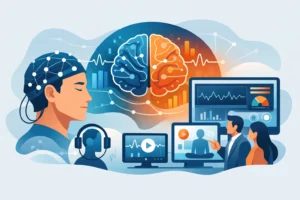
Among the best non drug ADHD treatments, neurofeedback stands out because it targets brain regulation directly. Neurofeedback is a non-invasive form of brain training that uses EEG technology to measure brainwave activity in real time and help the brain learn more efficient patterns.
A simple way to think about it is this: if the brain has fallen into habits that make focus, calmness, or impulse control harder, neurofeedback provides immediate feedback so those patterns can gradually shift. It is often described as a gym for your brain because the brain is being trained rather than chemically stimulated.
For ADHD, this can be especially useful when the goal is better sustained attention, less emotional reactivity, improved mental stamina, and more consistent daily functioning. In a clinical setting, QEEG brain mapping can add another layer of precision by showing where dysregulation may be happening and helping practitioners build a more personalized training plan.
This option is appealing for families and adults who want a medication-free path, but it does require commitment. Results are typically built over a series of sessions, not overnight. The upside is that progress can be tracked, adjusted, and supported with professional oversight.
2. Behavioral therapy and parent training
Behavioral therapy remains one of the most practical ADHD supports, especially for children. It works by changing the environment around ADHD symptoms and teaching more effective responses. Instead of assuming a child will suddenly become organized or less impulsive, therapy helps create systems that make success more likely.
For parents, this may include clearer routines, better reinforcement strategies, and more realistic expectations. For adults, behavioral work can focus on planning, task breakdown, and reducing overwhelm. This kind of treatment does not change brainwave activity directly, but it often improves daily life in ways that feel immediate and meaningful.
The trade-off is that behavioral strategies can lose effectiveness if they are inconsistent or too generic. ADHD support works best when the tools fit the person, not when someone is handed a standard chart and told to try harder.
3. ADHD coaching for real-world follow-through
Many people with ADHD know what they need to do. The problem is doing it consistently. That gap between intention and action is where ADHD coaching can help.
Coaching is less about processing the past and more about building practical systems for the present. A coach may help with scheduling, prioritizing, accountability, transitions, procrastination, and work or school performance. For teens, college students, and professionals, this can be a powerful complement to clinical treatment.
Coaching is not a replacement for therapy when anxiety, trauma, or depression are also present. Still, it can be one of the best non drug ADHD treatments for people who need structured support in everyday life. The right coach helps translate insight into action.
4. Sleep treatment and circadian support
Sleep problems are often underestimated in ADHD. Yet poor sleep can make attention, memory, mood, and impulsivity significantly worse. Sometimes what looks like severe ADHD during the day is being amplified by a tired, dysregulated nervous system at night.
This is why sleep support deserves a place on any serious list of the best non drug ADHD treatments. Better sleep may involve reducing evening stimulation, creating a more consistent bedtime routine, addressing anxiety, screening for sleep disorders, or improving sensory comfort.
For some clients, calming the nervous system is the missing piece. When the brain is stuck in a more activated state, it becomes harder to settle at night and harder to focus the next day. A treatment plan that includes brain-based regulation and sleep support can produce much better outcomes than focusing on attention alone.
5. Exercise and movement-based regulation
Physical activity is not a cure for ADHD, but it can be a meaningful part of treatment. Exercise supports neurotransmitter balance, stress reduction, emotional regulation, and cognitive performance. It also gives the body an outlet for restlessness that might otherwise show up as fidgeting, frustration, or mental fog.
The most useful approach is not forcing long workouts that feel punishing. It is finding forms of movement the person will actually maintain. For one child, that might be martial arts. For another, swimming or structured sports. For adults, brisk walking, strength training, cycling, or short movement breaks during the workday can help improve focus.
Exercise works best as part of a broader care plan. On its own, it may help some people modestly and others quite a lot. The difference often comes down to consistency and whether other contributors like sleep, stress, and nervous system dysregulation are also being addressed.
6. Nutrition support and blood sugar stability
Food is not the cause of ADHD, and oversimplified claims about diets can create false hope. At the same time, nutrition can affect symptom intensity. Blood sugar crashes, highly processed eating patterns, dehydration, and certain sensitivities may worsen irritability, concentration problems, and energy instability.
A sensible nutrition approach focuses on stable meals, protein, hydration, and reducing patterns that make regulation harder. Some individuals benefit from a more detailed nutritional review, especially if digestive issues, fatigue, or strong mood swings are also present.
This is an area where nuance matters. Nutrition can support brain function, but it is rarely enough as a standalone treatment for moderate to significant ADHD. It is best viewed as part of the foundation rather than the entire structure.
7. Counseling for emotional regulation and self-esteem
ADHD often affects more than productivity. It can shape how a person feels about themselves. Repeated criticism, school struggles, work stress, and relationship tension can lead to shame, anxiety, or low confidence. That emotional burden can make ADHD symptoms feel even heavier.
Counseling can help children and adults understand their patterns, build coping skills, and reduce the emotional fallout that comes with chronic struggle. For some, this means learning to manage frustration and rejection sensitivity. For others, it means rebuilding self-trust after years of feeling inconsistent or misunderstood.
When counseling is integrated with brain-based therapies, coaching, or family support, the outcome is often stronger because both the neurological and emotional sides of ADHD are being addressed.
How to choose the best non drug ADHD treatments
The right treatment depends on age, symptom type, severity, lifestyle, and what else is happening beneath the surface. If attention problems come with anxiety, sleep issues, anger, learning challenges, or burnout, those factors need to be part of the plan.
This is why comprehensive assessment matters. A more personalized process can help identify whether someone needs behavioral structure, nervous system regulation, emotional support, or a combination of all three. At clinics such as Positive Living UAE, neurofeedback is often paired with supportive therapies because lasting change is rarely one-dimensional.
For many families and adults, the most effective path is layered. Neurofeedback may help train better brain regulation. Coaching may improve execution. Counseling may strengthen resilience. Sleep and nutrition may reduce the background strain that makes symptoms worse. Together, these approaches can create progress that feels more stable and more empowering.
There is no prize for choosing the most extreme route or the most minimalist one. The best plan is the one that fits the person in front of you, respects how their brain works, and gives them a real chance to function with more calm, clarity, and confidence.
If you are considering non-drug care for ADHD, look for support that treats the whole person, not just the most visible symptoms. That is often where meaningful change begins.