Neurofeedback for anxiety is a drug-free way to train your brain to move out of a constant “on alert” state. Each session follows a simple rhythm. You sit back, small sensors read your brainwaves, and you watch a screen that rewards calmer brain patterns. Over a series of sessions, your brain practises settling down on its own. If you deal with constant worry, feel tired of medication side effects, or simply want a clear plan, knowing what happens in each session can make the first step feel much easier. This article walks you through the full journey, from your first talk to when people often start to feel calmer.
Many people looking into neurofeedback therapy in Dubai come in because of anxiety. Some have tried medication and want another option. Others want to understand what is happening in their brain before choosing a path. Neurofeedback gives you a structured process, so you know what to expect at every stage.
How Neurofeedback Helps Anxiety
When you feel anxious most of the time, your brain may get used to being on high alert. This can lead to racing thoughts, difficulty switching off, body tension and poor sleep.
Neurofeedback works by showing your brain, in real time, when it moves towards a calmer pattern. Your brain notices the reward and slowly learns to return to that calmer state more often. You are not forcing yourself to relax. Your brain is learning through practice, much like learning a new physical skill.
Understanding the connection between neurofeedback and anxiety helps explain why the training is personalised rather than the same for everyone. Two people with anxiety can have very different brain patterns, so their training plans look different too.
What Happens During Neurofeedback for Anxiety: The Journey Step by Step
Step 1: The First Talk
Everything starts with a conversation. Your practitioner will ask about:
- How anxiety shows up for you, such as worry, panic, tension or poor sleep
- When it started and what makes it better or worse
- Your health history and any medication you take
- Your sleep, work, stress levels and daily routine
- What you want to change
This talk matters because anxiety looks different for everyone. It also gives you a chance to ask questions and get a clear picture of the process before you commit.
Step 2: The QEEG Brain Map
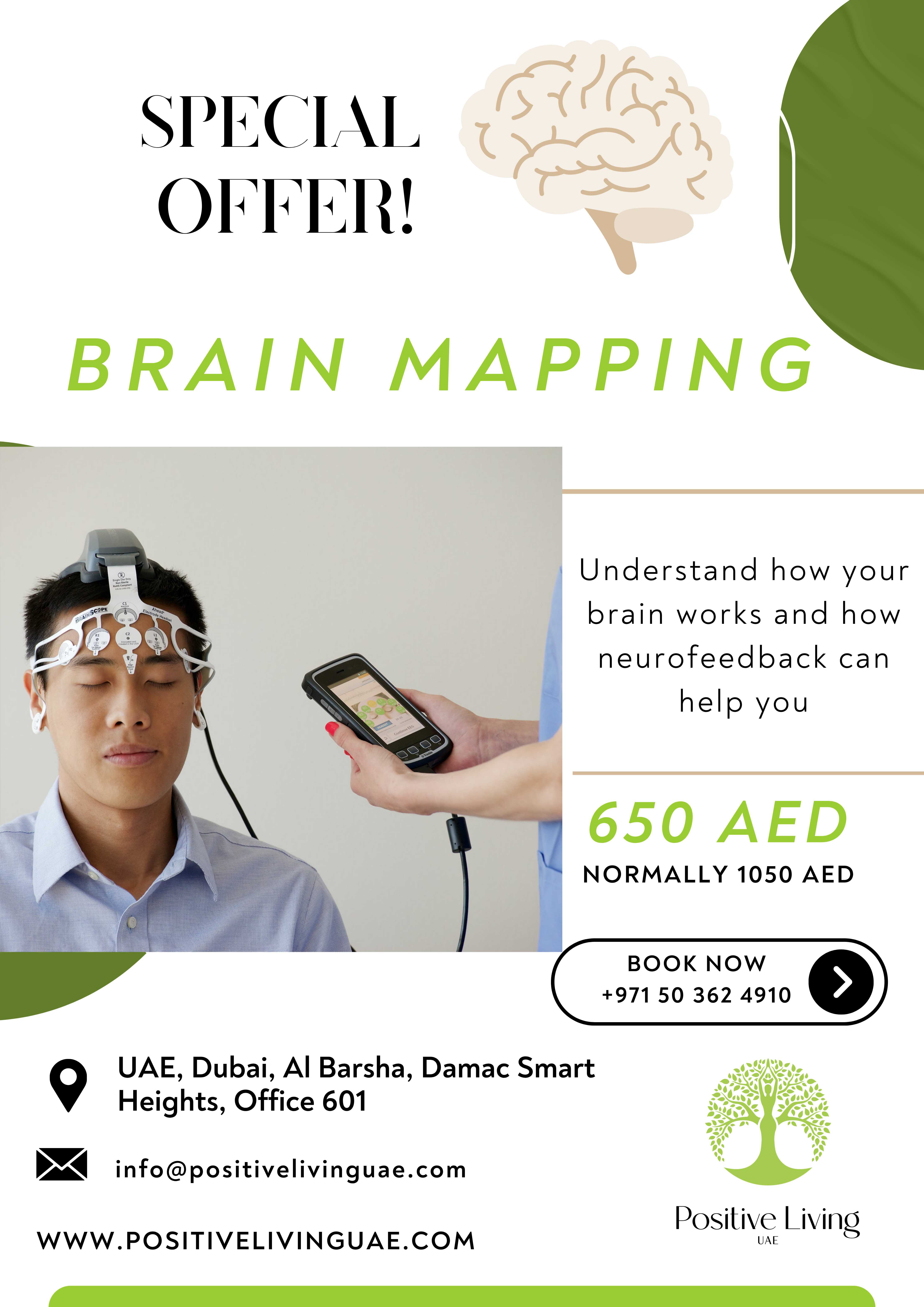
Next, most clients have a QEEG brain map. Small sensors on your scalp record your brain’s electrical activity while you sit quietly, with your eyes open for part of the time and closed for another part. The recording itself usually takes 15 to 30 minutes.
Your results are compared with data from people in your age group. This shows which areas of your brain may be overactive or underactive. For someone with anxiety, the map often helps explain why their mind feels busy or why they struggle to switch off.
The brain map is painless. Nothing is sent into your head. The sensors only listen to signals your brain already makes.
Step 3: Choosing Which Brain Patterns to Train
Your brain map guides your training plan. With anxiety, practitioners commonly look at patterns such as:
- High beta activity. Beta waves help with active thinking, but too much fast beta is linked to racing thoughts, feeling on edge and panic.
- Low alpha activity. Alpha waves are linked to a calm, clear mind. Low alpha is often seen in people who struggle with stress and overthinking.
- Imbalances between the left and right sides of the brain. Some anxiety and mood patterns are linked to uneven activity between the two sides, especially at the front of the brain.
- SMR (sensorimotor rhythm). Training this pattern can support calm focus and a more settled body.
Your practitioner uses these findings to decide which brain patterns need attention during training.
Step 4: The Training Sessions
This is the part most people ask about. A typical neurofeedback session for anxiety follows this rhythm:
- Settle in. You sit in a comfortable chair and talk briefly about how your week has been.
- Sensors on. A few small sensors are placed on your scalp with a little gel.
- Watch and relax. You watch a video, film or simple display. When your brain moves towards the target calmer pattern, the screen stays bright and the sound plays clearly. When it drifts, the screen dims or pauses for a moment.
- Let your brain learn. You do not need to try hard. Your brain picks up on the feedback and adjusts by itself.
- Check out. The sensors come off, and you share how you feel. Your practitioner may adjust the plan for next time.
Most people describe it as sitting quietly and watching TV. Some feel a little tired afterwards, a bit like after a long period of focus. This usually passes quickly.
Step 5: Session Rhythm
Neurofeedback works best with regular practice. At Positive Living UAE, sessions usually take place 2 to 3 times a week. A full programme often ranges from 20 to 40 sessions, depending on your goals and how your brain responds.
Consistency is important during neurofeedback training. Taking long breaks between sessions may make it harder for your brain to retain what it has learned.
Step 6: Habits at Home
What you do between sessions supports what happens in the chair. Simple habits that help include:
- Keeping a regular sleep and wake time
- Cutting back on caffeine, especially later in the day
- Short daily breathing or relaxation practice
- Regular movement, such as walking
- Less screen time before bed
- Noting changes in mood, sleep and worry levels, so you can share them at your sessions
These are not extra homework. They simply give your brain a better chance to hold on to what it learns.
Step 7: Check-Ins and Follow-Up Brain Maps
Your practitioner checks in with you regularly. A follow-up brain map may be used later in the programme to see how your brain patterns have changed and to fine-tune your training.
How Many Neurofeedback Sessions Are Needed for Anxiety?
There is no single number that suits everyone. Many programmes run between 20 and 40 sessions.
As for when people often feel calmer, many clients notice early changes, such as better sleep or a slightly quieter mind, after around 8 to 10 sessions. Bigger changes in day-to-day worry tend to build more gradually. Some people notice shifts sooner, and some take longer. Your progress is tracked, so you are never left guessing.
It is also worth knowing that research on neurofeedback for anxiety is still growing. Some studies show encouraging results, while others are smaller or mixed. Reviewing the evidence on neurofeedback for anxiety and stress can help you set realistic expectations before you start.
Neurofeedback and Talk Therapy for Anxiety
Neurofeedback trains how your brain responds. Talk therapy helps you understand your feelings, thoughts and the reasons behind your anxiety. Used together, they can support each other.
For example, someone with constant worry may use neurofeedback to calm their stress response, while talk therapy helps them work through the patterns and situations that trigger that worry. The brain training can make it easier to engage in therapy, and therapy can give context to the changes you notice.
Hypnotherapy is another option some people combine with neurofeedback. It works with the subconscious mind to change deep-rooted beliefs and reactions linked to fear and worry. These other therapeutic approaches to managing anxiety can sit alongside neurofeedback as part of one plan, rather than being an either-or choice.
Anxiety also often overlaps with low mood. If you notice both, it helps to know how neurofeedback for anxiety and depression can be approached within the same programme.
Who Is a Good Fit for Anxiety Neurofeedback Therapy?
Neurofeedback for anxiety may suit you if you:
- Feel worried or on edge most days
- Struggle to switch off, especially at night
- Want an anxiety treatment without medication in Dubai, or want to add something alongside your current treatment
- Have tried talk therapy and want extra support
- Like having a clear, structured plan with measurable steps
- Can commit to regular sessions over several weeks
It is offered to both adults and children aged 6 and over.
A few important points:
- Neurofeedback is not a quick fix, and it does not work the same way for everyone.
- If you take medication for anxiety, do not stop or change it without speaking to your doctor. Neurofeedback can be used alongside medication.
- If anxiety is severe or comes with thoughts of harming yourself, please speak to a doctor first. If you are in immediate danger, call 999 in the UAE or go to the nearest emergency department.
How Positive Living UAE Approaches Anxiety Support
Positive Living UAE is a holistic healing centre in Barsha Heights, Dubai, at DAMAC Smart Heights. Anxiety support here is not limited to one method. Neurofeedback can be combined with hypnotherapy or holistic psychotherapy, so your plan reflects both how your brain works and what is happening in your life.
The neurofeedback team is led by founder and clinical director Luz Maria Villagras Surco, who has over 10 years of clinical experience in the UAE. She works alongside neurofeedback practitioners Nikoo Sadat Vahedi Bodala and Stephanie Rodriguez Villagras.
Every programme starts with a conversation and a brain map, so your training is built around your own patterns. You also get regular check-ins, which means you always know where you are in the plan and what comes next.
Frequently Asked Questions
No. The sensors sit on your scalp and only record your brain’s natural signals. Nothing is sent into your head, and there are no needles.
Some people use neurofeedback as an anxiety treatment without medication, while others use it alongside medication. Never stop or change medication without your doctor’s advice.
Training sessions are usually under an hour, including setup. Your first visit may be longer because it includes the initial talk and brain map.
Many people notice early changes, such as better sleep, after around 8 to 10 sessions. Bigger changes in daily worry usually build over the full programme.
Yes. Many people find the two work well together. Neurofeedback calms the brain’s stress response, while talk therapy helps you understand and work through what drives your anxiety.
Neurofeedback is offered to children aged 6 and over. Sessions involve watching a show or display, which many children find easy and relaxing.
Summary
Neurofeedback for anxiety starts with an initial discussion and a QEEG brain map, which help your practitioner understand your brain activity and plan the training. You then attend regular sessions, usually 2 to 3 times a week, to train specific brain patterns such as high beta or low alpha. As you continue with the programme, simple habits at home and regular check-ins help your practitioner track your progress and make any needed changes. After around 8 to 10 sessions, some people notice improvements in their sleep or find it easier to quiet their thoughts. While progress varies from person to person, combining neurofeedback with talk therapy or hypnotherapy may offer additional support.
Take the First Step With Positive Living UAE
Not sure if anxiety is affecting you more than you realise? Start by taking our free anxiety test. It only takes a few minutes and can help you better understand what you are experiencing.
When you are ready, book a consultation with Positive Living UAE at our Barsha Heights clinic. Our team will work with you to find an approach that fits your needs and concerns.