
How to Overcome Depression: A Complete, Science-Backed Guide
Overcoming depression requires a combined approach that heals your nervous system, reshapes your thinking patterns, and addresses root physical causes. Depression affects your physical body, brainwaves, and emotional state all at once—meaning real recovery happens when you treat the whole picture.
Trauma can also play a role in depression. Learn more about how trauma causes depression
Understanding Depression Beyond “Low Mood”
- Recognising Physical and Cognitive Symptoms
Depression is a clinical full-body condition that disrupts your brain’s processing speed, sleep quality, and daily energy. When you feel physically heavy or mentally foggy, understanding that it is a physiological response takes away the shame. - Emotional and Behavioral Indicators
Clinical depression often leads to persistent emptiness, social withdrawal, and a loss of interest in hobbies you once loved. Recognising these subtle signs early allows you to take action before you feel completely burnt out. - The Neurological Baseline
Depression directly correlates with slowed electrical activity in the frontal lobe and dysregulated brainwave patterns. Seeing your condition as a biological state helps you realise your brain is simply stuck in low gear and can be trained out of it.
1. Advanced, Non-Medication Solutions
- QEEG Brain Mapping
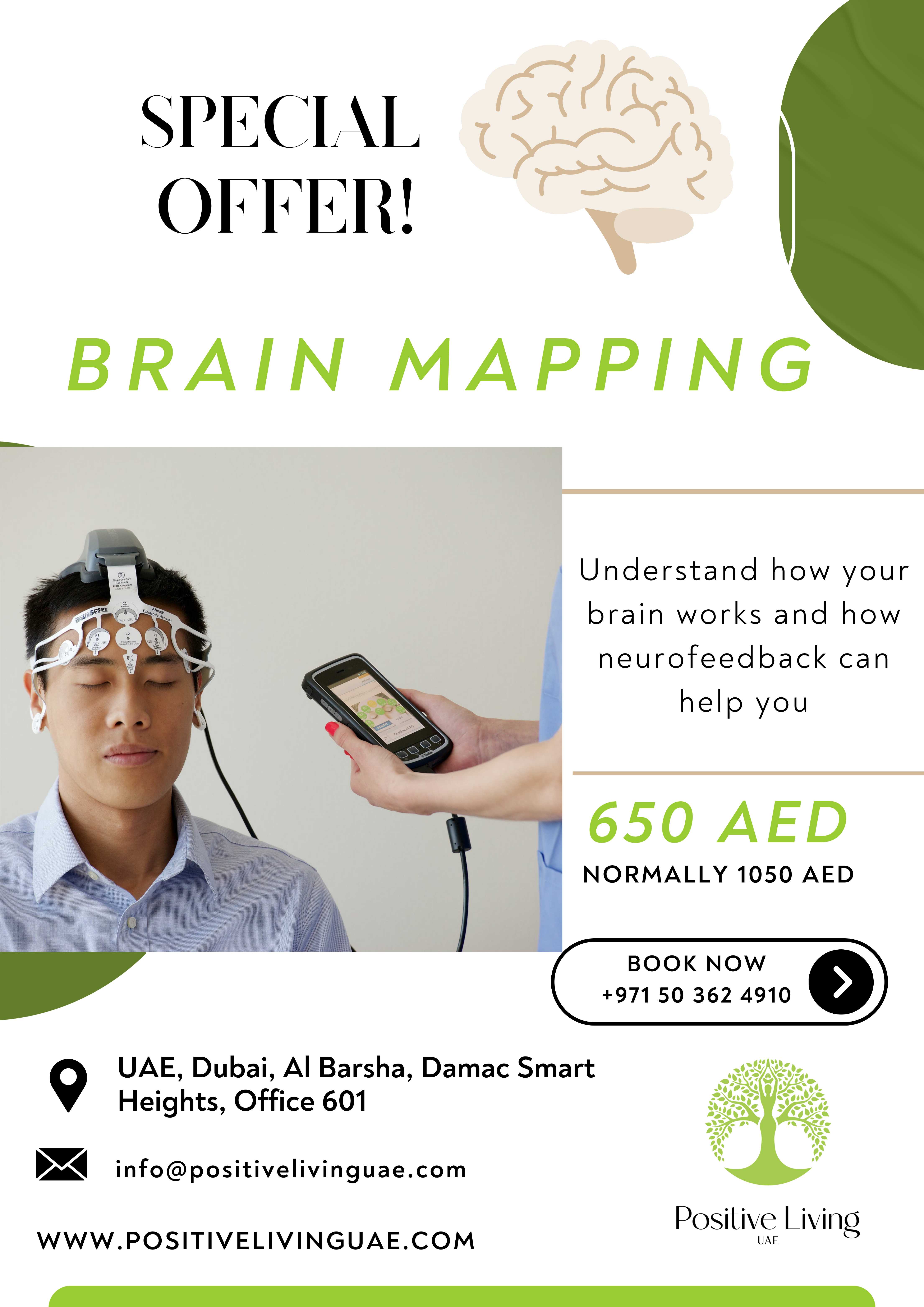
QEEG brain mapping is a non-invasive diagnostic scan that measures your brain’s electrical signals to highlight areas of imbalance. It provides us with a clear visual map of your mind, allowing us to build a precise care plan tailored specifically for you. - Neurofeedback Therapy
Neurofeedback Therapy in Dubai is an evidence-based, drug-free therapy that retrains your brainwaves toward healthy, balanced patterns using real-time feedback. It helps your nervous system step out of chronic low energy without relying on medication or risking unwanted side effects. - Targeted Brain Training Protocols
Customised training protocols reward your brain whenever it produces optimal focus and mood frequencies. Over time, these sessions strengthen new neural pathways, helping you stay emotionally stable long after your therapy ends.
2. Mindset & Cognitive Restructuring
- Cognitive Behavioural Therapy (CBT) Techniques
CBT is a goal-oriented psychological treatment that helps you identify and break negative, automatic thought loops. It teaches you to challenge harsh inner self-talk so you can respond to daily challenges with calm, balanced thinking. - Setting Small Micro-Goals
Micro-goal setting involves breaking down overwhelming daily tasks into tiny, easily achievable actions. Completing simple steps—like drinking a glass of water or making your bed—rebuilds your momentum without exhausting your brain. - Reframing Automatic Negative Thoughts
Cognitive reframing is a mental exercise where you pause to evaluate whether your worst-case thoughts are actually true. This practice strips away the emotional power of dark thoughts, giving you immediate relief from stress.
3. Biological & Lifestyle Resets
- Morning Sunlight & Sleep Optimisation
Getting direct morning sunlight exposure resets your circadian rhythm and triggers the natural production of serotonin. Pairing daylight exposure with a consistent sleep routine gives your mind the physical foundation it needs to heal. - Gentle Movement & Endorphin Release
Light physical movement increases blood flow to your brain and stimulates the release of mood-lifting endorphins. You do not need intense gym workouts; simple daily walks are enough to clear mental fog and lift your spirits. - Supporting the Gut-Brain Axis
Eating nutrient-dense whole foods supports your gut microbiome, which produces over 90% of your body’s serotonin. Fueling yourself with clean nutrition reduces internal inflammation and keeps your daily energy stable. - Nervous System Regulation & Hydration
Simple deep-breathing exercises and adequate hydration keep your sympathetic nervous system from getting trapped in fight-or-flight mode. Keeping your body calm makes it much easier for your mind to feel safe and relaxed.
4. Overcoming Dubai-Specific Stressors
- Beating Expat Isolation
Expat isolation occurs when living far from family and familiar social networks leaves you feeling unsupported. Joining local community groups or scheduling regular calls home helps you rebuild a strong emotional safety net in the UAE. - Managing Corporate Burnout
High-pressure work environments in Dubai frequently lead to chronic stress, exhaustion, and depressive episodes. Setting clear boundaries around your working hours gives your nervous system dedicated time to recover every single day. - Navigating Major Lifestyle Transitions
Adapting to a new culture or fast-paced city creates hidden stress that can quietly trigger anxiety and low mood. Reaching out for professional support during these big transitions helps you adjust quickly and feel at home.
How to Overcome Depression FAQ
Can depression be treated without taking prescription medication?
Yes, many individuals overcome depression using non-medication approaches like CBT, lifestyle resets, and neurofeedback therapy. For more severe cases, drug-free brain training works exceptionally well alongside traditional care to speed up your recovery.
How does neurofeedback compare to traditional talk therapy for depression?
Talk therapy addresses your conscious thoughts and behaviours, while neurofeedback directly retrains the underlying electrical activity in your brain. Combining both gives you a complete healing strategy that treats both your mind and your brain at the same time
How long does it take to start recovering from clinical depression?
Most people begin noticing early improvements in sleep, energy, and mood within 6 to 10 weeks of consistent therapy. Your personal recovery timeline depends on your unique situation, and we adjust your plan as your brain adapts.
Does expat stress make depression worse for people living in Dubai?
Yes, being far from family, working demanding corporate hours, and adjusting to a fast-paced city can magnify low mood. Working with a clinician who understands expat life makes your therapy feel much more relatable and supportive.
Knowing When to Seek Professional Support
While self-care habits build long-term resilience, clinical depression often requires structured guidance from qualified mental health experts. Working with a licensed clinical psychologist ensures you receive safe, evidence-based care tailored directly to your life.
At Positive Living UAE, our experienced clinical team will offer comprehensive depression therapy tailored to your unique goals. By combining traditional talk therapy with advanced QEEG brain mapping and neurofeedback, we help you overcome depression naturally and regain your vitality. Reach out to our team at Positive Living UAE today to schedule your private consultation.