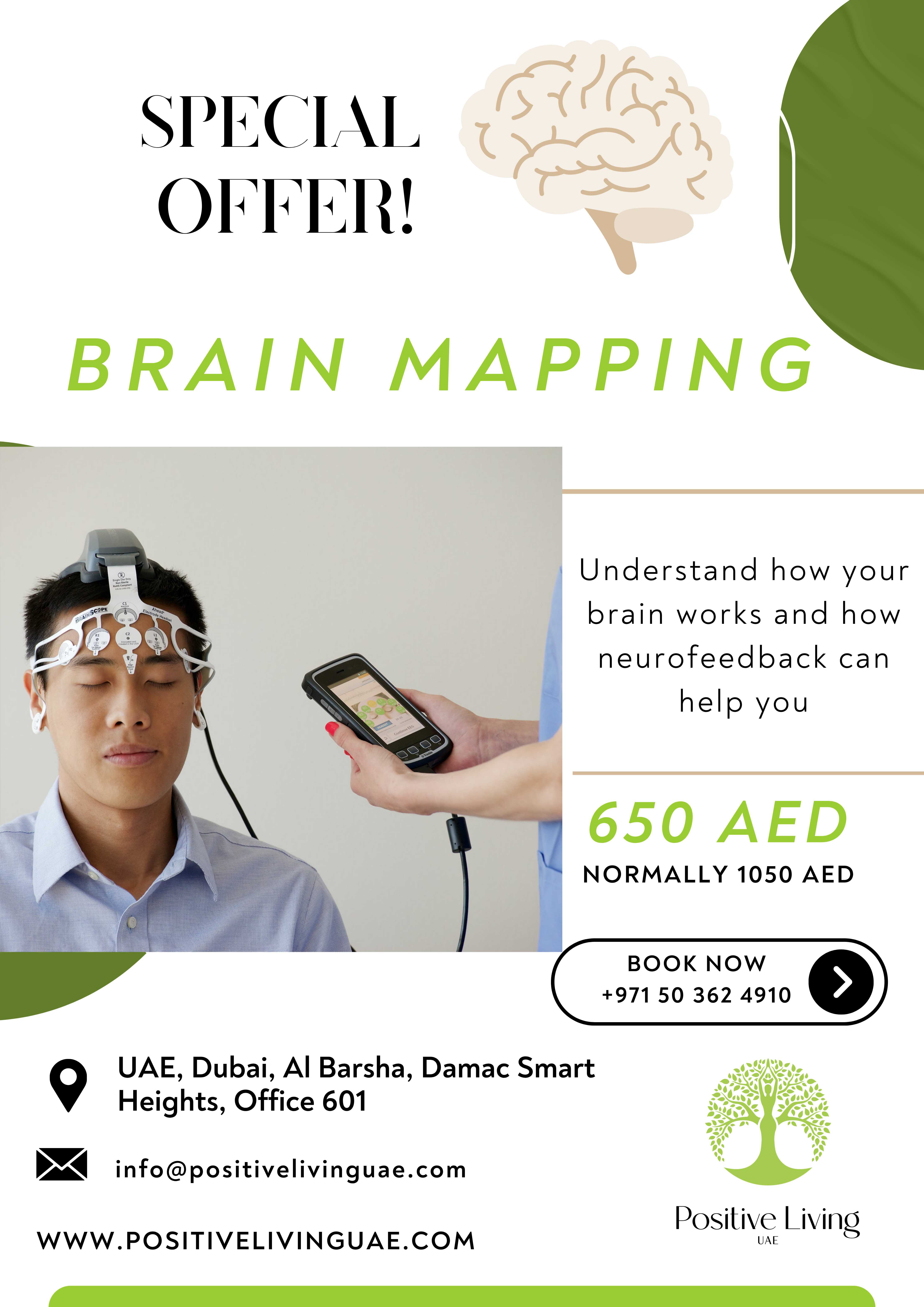
Your first neurofeedback session is calm, simple and painless. You start with a short chat about your goals. Then small sensors are placed on your scalp to read your brainwaves while you sit back and watch a screen. Nothing is sent into your head, and most people say it feels like resting in a comfortable chair. Understanding how the process works can help ease any concerns before your first visit.

If you are looking into neurofeedback therapy in Dubai, the first visit is usually the part people feel most unsure about. It helps to know that you are not expected to do anything special. Your brain does the learning while you relax. This guide covers everything you need to know about your first neurofeedback visit, including the steps involved, session duration, what it feels like, and ways to prepare yourself or your child.
What Happens During Your First Neurofeedback Session
Every neurofeedback clinic works a little differently, but most first visits follow the same simple order. Here is what happens in neurofeedback, from the moment you walk in.
Step 1: Arriving at the Clinic
You arrive, check in and take a few minutes to settle. There is no rush. Many people feel a bit nervous on the first day, especially parents bringing a child and that is completely normal.
Step 2: A Short Chat About Your Goals
Before any equipment comes out, you sit down with the practitioner for a conversation. They will ask about:
- What brought you in, such as focus, sleep, stress or mood
- Your health history and any current medication
- Your sleep, daily routine and energy levels
- For children, how things are going at school and at home
This is also your time to ask questions. Nothing is a silly question. You can read more about your first neurofeedback appointment and what the practitioner looks for at this stage.
Step 3: The Brain Map (QEEG)
Many clients start with a QEEG brain map. This is a recording of your brain’s electrical activity, taken while you sit quietly.
You may be asked to keep your eyes open for part of the recording and closed for another part. You just sit still and relax. The recording itself usually takes 15 to 30 minutes.
Your results are then compared with data from people in your age group. This shows which brain areas may be working too hard or too little. Your practitioner uses this map to plan your training, so your sessions are personalised rather than one-size-fits-all.
Step 4: Placing the Sensors
Next, small sensors are placed on your scalp. A little gel is used so the sensors can pick up your brain signals clearly. The gel may feel cool and slightly sticky, but it does not hurt.
The sensors only listen. They read the tiny electrical signals your brain already makes, much like a heart monitor reads your heartbeat.
Step 5: Watching a Screen or Video
Now comes the training part. You sit back and watch a video, a film or a simple display on a screen. The screen is linked to the neurofeedback software.
During the session, the screen gives you feedback based on your brain activity. It stays bright and the video plays when your brain activity follows the desired pattern. If the activity moves away from the target, the screen may dim or pause. This gives your brain feedback that helps it gradually develop better activity patterns.
You do not need to try hard or concentrate on anything. Most people simply watch and relax. To understand this better, read about how neurofeedback training works in practice.
Step 6: Finishing Up and Next Steps
At the end, the sensors are removed and the gel is wiped away. You then have a short talk with your practitioner about how it went and what comes next, such as how many sessions may suit you and how often to come in.
How Long Does the First Neurofeedback Session Take?
Your first visit is often longer than later sessions because it includes the chat and, in many cases, the brain map. The brain map recording usually takes 15 to 30 minutes, plus time for setup and discussion.
Regular training sessions after that are usually under an hour. Your practitioner will confirm timing when you book, so you can plan your day.
How Does Neurofeedback Feel?
For most people, it feels like sitting quietly and watching TV. There is no pain, no noise in your head and no strange sensation.
Some people feel a little tired after a session, a bit like after a long period of focusing. This usually passes quickly. A few people notice they feel calmer or sleep better that night, while others notice nothing at first. Both are normal.
Common Worries About Your First Neurofeedback Session
Does Neurofeedback Hurt?
No. The sensors sit on the surface of your scalp. There are no needles, and nothing breaks the skin. The only thing you may notice is the cool gel.
Will Electricity Go Into My Brain?
No. This is one of the most common worries, and it is a fair question. Neurofeedback does not send electricity, heat or any signal into your body. The sensors only record the activity your brain already produces.
Can Neurofeedback Read My Mind?
No. The equipment measures brainwave patterns, such as how fast or slow your brain activity is in different areas. It cannot see your thoughts, memories or feelings. Think of it like measuring the speed of a car without knowing where the driver is going.
What If I Feel Anxious During the Session?
That is okay. You can tell your practitioner at any time, take a break or ask questions. Many adults who come in with anxiety feel nervous on day one and more relaxed by the second or third visit. If anxiety is part of why you are coming, you may find it helpful to read about what happens during the initial session and how training can support a calmer nervous system.
What If It Is Your Child’s First Session?
Parents often worry more than children do. Neurofeedback is offered to children aged 6 and up, and because sessions involve watching a show or simple display, many children find it easy and even fun.
A few tips that help children feel at ease:
- Explain it simply, for example: “You will wear a special cap and watch a video while the computer listens to your brain.”
- Let them know it does not hurt and that nothing goes into their head.
- Bring a small comfort item if it helps them settle.
- Ask the practitioner if you can stay nearby during the first session.
It is fine if your child fidgets a little at first. Practitioners who work with children are used to this.
How to Prepare for Your First Neurofeedback Session
A little preparation helps you get clearer readings and feel more comfortable.
The night before
- Get a normal night’s sleep. Very poor sleep can affect your brainwave readings.
- Wash your hair so it is clean and dry. Skip oils, conditioner, gel or hairspray on the day, as these can affect how well the sensors pick up signals.
On the day
- Eat a light, normal meal beforehand. Coming in hungry can make it harder to settle.
- Go easy on caffeine, such as coffee, tea and energy drinks, for a few hours before, as it can change brain activity. Ask your practitioner how long to avoid it.
- Keep taking any prescribed medication as usual. Do not stop or change medication without speaking to your doctor, and tell your practitioner what you take.
- Wear comfortable clothes.
What to bring
- A list of current medications and supplements
- Any past reports, such as school reports, assessments or medical letters, if relevant
- Your glasses, if you wear them for screens
- A list of questions you want to ask
- For children, a drink, a small snack and a comfort item
What Happens After Your First Neurofeedback Session?
One session will not change everything, and that is expected. Neurofeedback works through repeated practice, much like learning to swim or ride a bike.
At Positive Living UAE, training sessions usually take place 2 to 3 times a week. Many people notice early changes, such as better sleep or a calmer mood, after around 8 to 10 sessions. A full programme often ranges from 20 to 40 sessions, depending on the person and their goals. Results differ from person to person, so your progress is checked along the way and your plan is adjusted when needed.
If you want a wider picture of the full process, read our article on getting started with neurofeedback therapy.
Starting Your Neurofeedback Journey at Positive Living UAE
Positive Living UAE is a calm, welcoming clinic in Barsha Heights, at DAMAC Smart Heights in Dubai. The space is designed to help adults and children feel relaxed from the moment they arrive.
Neurofeedback and QEEG brain mapping are led by founder and clinical director Luz Maria Villagras Surco, who has over 10 years of clinical experience in the UAE. She works alongside neurofeedback practitioners Nikoo Sadat Vahedi Bodala and Stephanie Rodriguez Villagras, who support both children and adults.
Each programme starts with understanding the person, not just the symptoms. Your brain map and first conversation shape a plan made for you.
For busy families, Positive Living UAE also offers a home pick-up option for children, so getting to sessions is one less thing for parents to worry about.

Frequently Asked Questions
Yes. Your first visit generally involves discussing your goals with the practitioner and completing a QEEG brain map. Follow-up sessions mainly involve watching a screen while sensors monitor your brain activity during training.
A brain map is commonly used before training because it shows which brain areas need support. It helps your practitioner build a personalised plan rather than guessing.
Most people feel fine to go about their day after a session. If you feel unusually tired, take a few minutes to rest before leaving, and mention it to your practitioner.
The gel is wiped off at the end, but a little may stay in your hair. Most people simply wash their hair when they get home.
Neurofeedback is non-invasive and drug-free, and it is offered to children aged 6 and over. The sensors only record brain activity, and nothing is sent into the body.
It depends on your goals and how your brain responds. Many programmes range from 20 to 40 sessions, with progress checked along the way.
Summary
Your first neurofeedback session is gentle and straightforward. You talk through your goals, have sensors placed on your scalp, often complete a brain map and then relax while watching a screen. It does not hurt, it does not send electricity into your brain, and it cannot read your thoughts. A good night’s sleep, a light meal, less caffeine and clean, product-free hair are the simplest ways to prepare.
Book Your First Neurofeedback Session in Dubai
If you are ready to take the first step, Positive Living UAE can guide you through your first neurofeedback session with care and patience, whether it is for you or your child. Book your first consultation or QEEG brain mapping session at our Barsha Heights clinic and take the first step towards better brain health.