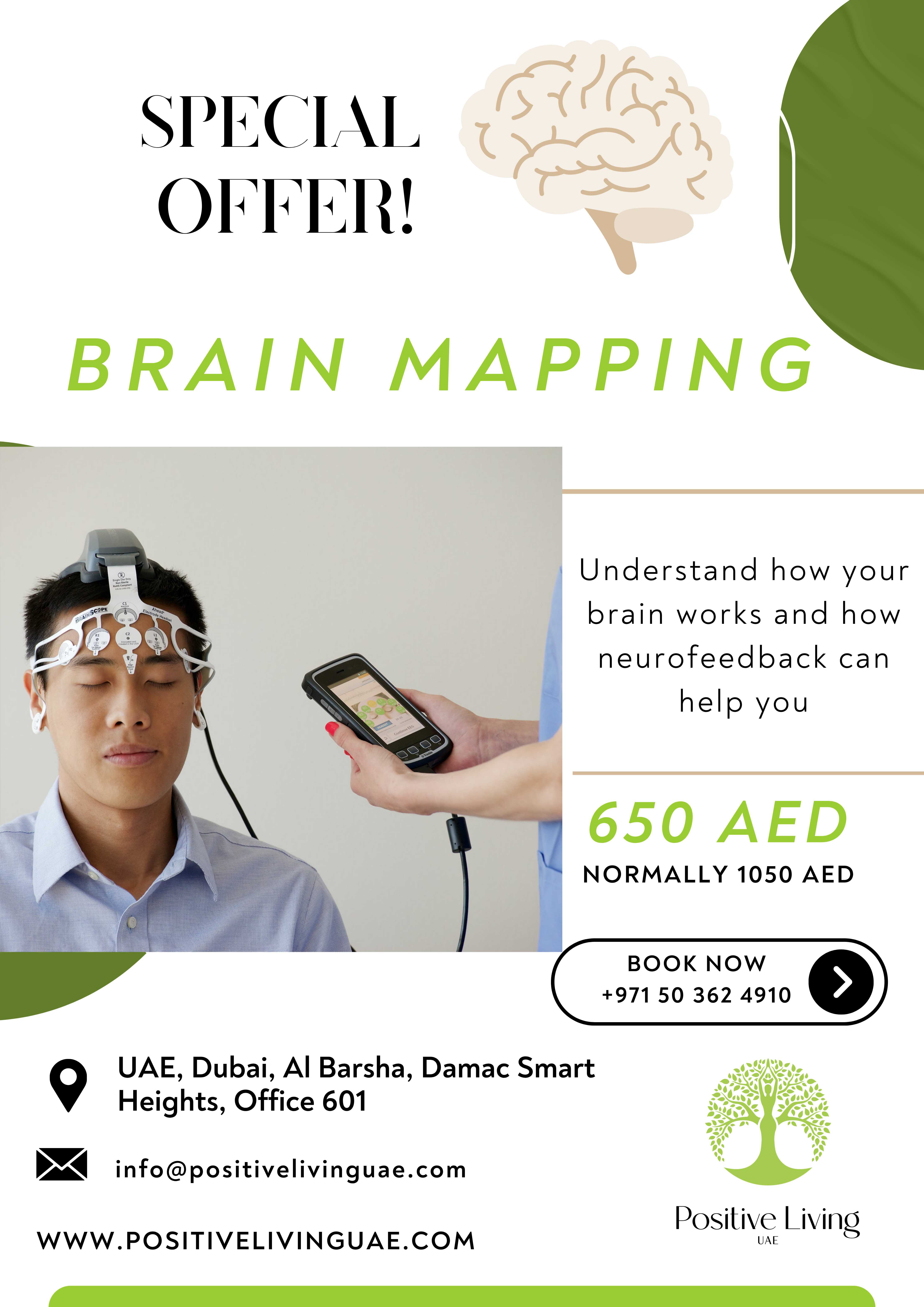
Neurofeedback for teens is a drug-free form of brain training that can help young people improve focus, handle stress and steady their mood. Soft sensors read brain activity while your teen watches a show, and the screen rewards calmer, more focused brain patterns. Over time, many teens find it easier to settle and concentrate. This matters because the teenage brain is changing fast, and school, sleep and family life often feel the strain. Below, you will learn why teens struggle, how neurofeedback works with counselling, what sessions look like and how to raise it with your teen.
Most parents looking into neurofeedback therapy in Dubai are not after a quick fix. They want to understand what is going on with their child and find a gentle, practical way to help.
Why Teens Struggle With Mood, Focus and Stress
If your teen seems moody, distracted or withdrawn, you are not imagining it, and you are not alone. A lot of this comes down to how the brain develops during adolescence.
The teenage brain is still under construction
During adolescence, the brain goes through several changes as different areas continue to develop. The parts responsible for emotional responses and decision-making do not mature at the same pace, which can influence how teens think, feel and react to everyday situations.
The areas linked to emotion and reward become very active during the teen years.
Meanwhile, the prefrontal cortex, which helps with planning, impulse control and calming down, continues to develop into the mid-twenties.
As a result, teens may experience strong emotions before they have fully developed the ability to manage them. A small comment can feel hurtful, while a bad grade may affect their mood for days.
Brain activity plays a big part in this. Learning about the connection between brain activity and emotional regulation helps explain why some teens find it so hard to settle after an upset, even when they want to.
Sleep shifts later
During puberty, a teen’s body clock naturally shifts, making them feel sleepy later at night. Even when they need to be up early for school, many teens naturally feel more awake later in the evening. Not getting enough sleep can leave teens tired during the day and make it harder for them to concentrate or manage their emotions.
Pressure builds from many directions
Exams, friendships, social media and busy schedules all add up. For families in Dubai, moving countries, changing schools or saying goodbye to friends can add another layer of stress.
Normal ups and downs vs something more
Some moodiness is part of growing up. It may be time to look for support when you notice:
- Mood changes that last for weeks, not days
- Grades dropping even when your teen is trying
- Pulling away from friends, family or hobbies they used to enjoy
- Ongoing trouble falling or staying asleep
- Frequent outbursts, tears or shutdowns that seem out of proportion
How Neurofeedback for Teens Works
During their teenage years, young people may find it difficult to manage stress, stay focused or control their emotions. Brain activity plays an important role in these responses. The brain communicates through electrical signals called brainwaves, which are linked to different mental states, such as concentration, relaxation and sleep. When these patterns are out of balance, teens may feel restless, distracted or easily overwhelmed.
Neurofeedback teaches the brain to find healthier patterns on its own. Here is the basic idea:
- The brain is mapped first. A QEEG brain map records brainwave activity across different areas, showing where activity may be too high or too low.
- A plan is built from that map. Training targets the specific patterns linked to your teen’s focus, mood or stress.
- The brain gets instant feedback. While your teen watches a video, the screen plays clearly when their brain moves into the target pattern. When it drifts, the picture dims or pauses.
- The brain learns through repetition. With regular practice, the brain starts producing those calmer, more focused patterns more often. This is called neuroplasticity, the brain’s natural ability to learn and adapt.
Think of it like learning to ride a bike. Nobody can explain balance to you. Your body learns it by doing it again and again.
What Teen Neurofeedback Can and Cannot Do
Neurofeedback can support teens in different ways, from improving attention to managing stress and emotions. Its effects may differ from one teen to another, depending on the challenges they experience and their response to training.
Neurofeedback for focus
Focus and attention have the strongest research behind them, especially for young people with ADHD. Teens who lose track in class, forget homework or struggle to start tasks may benefit. You can read more about neurofeedback and attention difficulties, including how training targets concentration and memory.
Neurofeedback for stress
When a teen is stressed for long periods, their nervous system can get stuck in “alert mode”. Neurofeedback aims to help the brain shift out of that state more easily. Research on stress and anxiety is promising, though studies are often smaller than those for attention.
Neurofeedback for mood regulation
Neurofeedback may help teens develop better control over their emotional responses. Over time, they may find it easier to handle stressful situations, manage sudden mood changes and stay calm when things don’t go as planned.
What it will not do
- It is not a cure, and results are not guaranteed
- It does not work overnight. Change usually builds over many sessions
- It does not replace medical care, a diagnosis or any medication your teen’s doctor has prescribed
- It does not fix the stresses in a teen’s life, such as exam pressure or a friendship falling apart
Why Neurofeedback Works Best Alongside Counselling
Brain training and counselling do different jobs, and they work well together.
Neurofeedback helps the brain become calmer and more flexible. Counselling gives your teen a safe space to talk, make sense of what they feel and build practical skills. A calmer brain often finds it easier to use those skills in real life.
For example, a teen who freezes during exams might use neurofeedback to settle their stress response, while counselling helps them plan revision, challenge anxious thoughts and practise calming techniques. Coping skills are a big part of helping teenagers manage difficult emotions, and they last well beyond the therapy room.
Some teens prefer one-to-one teen counselling. Others feel more comfortable with peers who are going through similar things, which is where a teen group support circle can help.
What a Teen Neurofeedback Session Looks Like
Many teens worry it will feel clinical or uncomfortable. In reality, most sessions are relaxed and low-pressure.
Before training starts
- First consultation: A conversation with you and your teen about what is happening at school, at home and with sleep, mood and focus.
- QEEG brain mapping: Your teen wears a soft cap with sensors while their brain activity is recorded. It does not hurt, and nothing is sent into the brain.
- Personal plan: The results shape a training plan built around your teen’s brain, not a one-size-fits-all programme.
During a session
- Your teen sits in a comfortable chair
- A few small sensors are placed on the scalp with a little gel
- They watch a show or video while the software tracks their brainwaves
- The screen responds to their brain activity, rewarding the target patterns
- They do not need to “try hard”. The brain does most of the learning on its own
Sessions usually last under an hour, and many plans involve two to three sessions a week. A full programme is often 20 to 40 sessions, depending on your teen’s needs and how they respond.
After a session
Some teens feel a little tired afterwards, similar to after a workout. This usually passes quickly. Over the following weeks, parents often look out for small changes first, such as easier mornings, fewer arguments over homework or better sleep.
How to Talk to Your Teen About Neurofeedback
Before your teen begins neurofeedback, it helps to make sure they understand what the sessions involve. A little explanation and an open conversation can make the idea feel less unfamiliar. Here are a few ways to introduce it and help them feel comfortable with the process.
- Pick a calm moment. Avoid raising it straight after an argument or a bad school report.
- Frame it as training, not fixing. You could say, “It’s a bit like practising a sport, except you’re training your brain. It may help you focus better and feel less stressed.”
- Be honest about what happens. Explain the sensors, the gel and the videos. Teens handle facts better than surprises.
- Let them ask questions. Better still, let them ask the practitioner directly at the first appointment.
- Give them a say. Teens engage more when they feel part of the decision. Ask what they would want to improve, whether that is sleep, focus or feeling less on edge.
- Never use it as a punishment. If it feels like a consequence for bad behaviour, they are less likely to buy in.
If your teen says no at first, that is okay. Leave the door open and come back to it later.
Signs Teen Neurofeedback Therapy May Be Worth Trying
Every teen is different, but these signs suggest it may be worth a conversation with a practitioner:
- Your teen struggles to focus in class or with homework, even when motivated
- They feel stressed or wound up most of the time
- Their moods swing quickly or feel hard to recover from
- Sleep has been a problem for a while
- They have an ADHD or autism diagnosis, or you suspect one
- Talk therapy has helped, but progress feels stuck
- You want a drug-free option to try alongside other support
A diagnosis can bring as many questions as answers. Getting clear on what it means, and what comes next, is a big part of helping parents understand their child’s challenges and make calmer decisions as a family.
If you are not sure where to start, a quick free emotional regulation check or the free ADHD test for children can help you put what you are seeing into words before you speak to a professional.
When Parents Feel Stuck
Many parents tell us they have tried everything. Talking, rules, rewards, giving space. Nothing seems to stick, and the house feels tense.
Feeling stuck does not mean you have failed. It often means your teen needs a different kind of support, and you need support too. Teens do better when the adults around them feel calmer and more confident. That is why involving parents, not just the teen, can make such a difference.
How Positive Living UAE Supports Teens and Families
Positive Living UAE is a holistic healing centre in Barsha Heights, Dubai. We offer QEEG brain mapping and neurofeedback therapy for children aged 6 and over, teens as well as adults, alongside teen counselling and parenting support.
Our founder, Luz Maria Villagras Surco, is a qualified neurofeedback and QEEG brain mapping practitioner with more than 10 years of clinical experience in the UAE. She works with a team of neurofeedback practitioners who support both children and adults.
What makes our approach different is that we work with the whole family. Through our parent-and-teen approach, including the Conscious Teen and Parent Program, we help teens build calmer, more focused brains while helping parents understand what their teen is going through and how to respond. Where it helps, parents can also join the Conscious Parenting Method to strengthen communication at home.
Frequently Asked Questions
Neurofeedback is suitable from age 6, so it can be used at any point in the teenage years. Younger teens often enjoy the video-based sessions, while older teens tend to like having a say in what they want to improve.
Yes, it is non-invasive and painless. The sensors only read brain activity. Nothing is sent into the brain, and there is no electricity, heat or medication involved. Some teens feel mildly tired after early sessions.
Most programmes involve 20 to 40 sessions, usually two to three times a week. The exact number depends on your teen’s goals, their brain map and how they respond. Progress is reviewed along the way.
Neurofeedback can be used alongside medication, but you should never stop or change a prescription without speaking to your teen’s doctor. Some families use neurofeedback as part of a wider plan agreed with their medical team.
Willingness helps a lot. Teens who understand the process and feel involved usually attend more regularly, which supports better results. A first consultation is a good chance for them to ask questions and decide how they feel.
Yes, and it often helps. Parents can share what they notice at home, learn how to support new habits and work on communication with their teen. Simple things like steady sleep routines and calmer evenings can support progress between sessions.
If your teen talks about hurting themselves or ending their life, or you believe they are in immediate danger, call 999 in the UAE or go to the nearest emergency department.
Summary
Neurofeedback for teens is a gentle, drug-free way to support focus, stress and mood during a time when the brain is changing fast. It works by giving the brain real-time feedback, so it can learn calmer, more focused patterns through repetition. The evidence is strongest for attention, and growing for stress and mood. It works best alongside counselling and with parents involved, rather than as a quick fix on its own. If your teen is struggling at school, seems withdrawn or keeps getting overwhelmed, it may be worth a closer look.
Book a Family Consultation
If you are worried about your teen and are not sure what to try next, Positive Living UAE can help you understand what is going on and whether neurofeedback for teens is the right fit. Book a family consultation so you and your teen can meet the team, ask questions and talk through options together.